Catfish Business in Nigeria: How to Start and Make Money
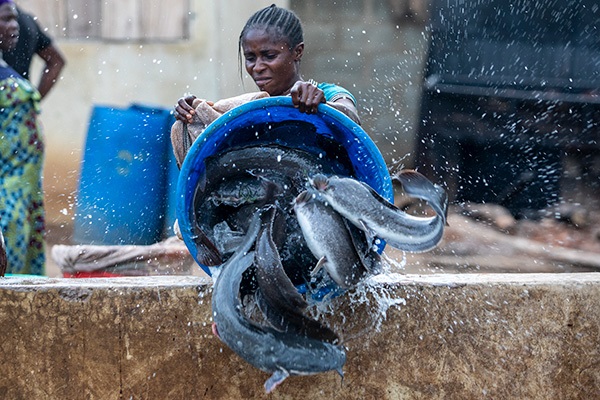
The catfish business is one of the few ventures in Nigeria where people don’t really ask, “Will it sell? ” because the demand is already everywhere. From restaurants to beer parlors, pepper soup joints, home buyers, market women, grill sellers, and event caterers, catfish moves every single day in this country. If you set it up well, it becomes one of those businesses that keeps running whether you’re around or not.
This guide breaks down the real process of starting a profitable catfish business in Nigeria, what you need, how much to start with, feeding, management, risks, and how to actually make money from it.
Why Catfish Farming Is a Hot Business in Nigeria
Many businesses depend heavily on “luck,” but catfish farming is different because:
- Nigerians consume catfish every day.
- Restaurants, lounges, and bars can’t operate without it.
- You can start small or large.
- Feeding is straightforward.
- Once you understand water management, the rest is simple.
- You can sell in different forms: live, smoked, processed, retail, wholesale
The profit margin is also stronger than most small-scale agribusinesses.
Capital Needed to Start
Your starting cost depends on your size:
Small Scale (100–300 live fish)
₦100,000 – ₦250,000
Enough for:
- Small pond (tarpaulin)
- Juvenile fish
- Feeding
- Water supply setup
Medium Scale (500–1,500–3,000)
₦300,000 – ₦1,000,000
Large Scale (2,000 fish and above)
₦1.2m – ₦4m+, depending on infrastructure
The biggest cost is feeding, so while setting up, your budget should be feeding-first before anything else and you can get a loan from a trusted microfinance bank such as Sofri, LAPO and AccionMonie.
What You Need to Start (Basic Requirements)
• Land/Space – backyard, rented space, compound, or open land.
• Pond type – Tarpaulin, concrete, earthen pond, or plastic tanks.
• Good water source – clean borehole/well water, not dirty or chemically treated.
• Fish stock – Juvenile fingerlings from a reliable farm.
• Feeds – Quality floating feeds (Bluecrown, Durante, Coppens, etc.).
• Water changing system – hose, pumping machine, or manual method.
• Net & basic tools – for grading or harvesting.
Step-by-Step: How to Start Catfish Farming
Step 1: Pick a good location.
The area must allow regular water flow and drainage. Catfish survive mainly on good water.
Step 2: Choose your pond.
For beginners, tarpaulin ponds are the best because:
- Easy to set up
- Easy to clean
- You can relocate anytime.
- Cheap to maintain
Step 3: Stock quality juveniles
Don’t buy fish because it’s “cheap.” Buy from a farm that is known for healthy stock—weak fish will waste your money.
Step 4: Feeding & feeding schedule
Feed 2–3 times daily (morning/afternoon/evening).
Start with floating feeds, then switch to grow-out pellets as they mature.
Step 5: Water management
Water must be changed regularly. If water becomes dark or smells, change it immediately.
Good water = fast growth.
Bad water = slow growth + deaths.
Step 6: Sorting/Grading
Every 2–4 weeks, sort the fish by size so big ones don’t eat the smaller ones.
Step 7: Harvesting & Selling
Catfish are usually ready around 3–5 months depending on feeding and water conditions.
How You Make Money in the Catfish Business
You can earn from catfish in multiple ways:
• Selling live catfish (biggest market)
Restaurants, bars, and pepper soup joints buy actively.
• Selling smoked fish
This one pays even higher because smoking increases value.
• Selling to market women
Market women buy daily and in large quantities.
• Retail buyers
Individuals buying for home cooking.
• Fingerlings/juveniles business
Once you understand breeding, you can supply other farmers.
• Event/party supply
Parties consume serious fish.
Major Risks and How to Avoid Them
1. Water issues
Bad water kills faster than anything in catfish farming.
Fix: Maintain a clean water cycle.
2. Poor feeding
Cheap feed slows growth.
Fix: Use quality feeds early, switch to grow-out later.
3. Disease outbreak
Mostly from dirty water or contaminated ponds.
Fix: Clean pond, good water source, avoid overstocking.
4. Wrong stocking density
Putting 1,000 fish in a pond meant for 300 is a disaster.
Fix: Follow proper stocking capacity.
Profit Expectation (Breakdown)
Example:
If you stock 500 juveniles, at maturity you may harvest 430–460 fish after normal mortality.
Average selling price (₦1,500 – ₦3,000 per fish depending on size and location).
Profit margin can hit 20%–45% depending on feeding cost and sales channel.
Smoked fish brings an even higher margin.
FAQs (Frequently Asked Questions)
1. How long does it take for catfish to mature?
Between 3 and 5 months depending on feeding and water quality.
2. Which pond is best for beginners?
Tarpaulin ponds are cheap, clean, and easy to manage.
3. How many times should I feed my fish?
2–3 times daily. Morning and evening are compulsory.
4. How much can I use to start?
₦100k–₦250k for small scale.
₦300k upward for larger setups.
5. What causes catfish to die fast?
Bad water, poor feeding, overstocking, and buying sick fingerlings.
6. Is catfish farming profitable in Nigeria?
Yes, very profitable when managed well. Demand is steady all year.
7. Can I start a catfish business in my backyard?
Yes, as long as the water supply is stable and drainage is available.
Conclusion
The catfish business is one of the most reliable businesses in Nigeria because the buyers are everywhere and the demand does not drop.
If you set up your pond properly, buy healthy juveniles, manage water well, and feed correctly, you’ll consistently make profit. Whether you want to start small or go big, catfish farming is something that can grow with you over time.