How to Start a Profitable Podcast in Australia (Full Guide)
Many successful media projects today did not start with big studios or large teams. They started with ideas, consistency, and the right understanding of how digital platforms work. Podcasting is one of those spaces where creativity meets opportunity, especially in countries with strong media consumption habits like Australia.
A lot of people already listen to podcasts daily without realizing how structured and intentional the process behind each episode is. While some podcasts are created for passion, many others are built carefully to educate, influence, and eventually generate income. The difference usually comes down to planning, execution, and understanding the system.
With the growth of internet access and mobile devices, podcasting has become easier to start but harder to stand out in. This is why anyone looking to launch a podcast in Australia needs more than just a microphone and motivation. You need clarity, structure, and a long-term mindset.
In this guide, you will learn everything required to start a podcast in Australia the right way, build an audience, and position it for monetization without rushing the process or cutting corners.
Understanding Podcasting and Its Opportunities
Podcasting is a digital audio format that allows creators to publish episodic content that listeners can stream or download. In Australia, podcast consumption continues to grow across different age groups, with strong interest in business, lifestyle, education, entertainment, and storytelling.
What makes podcasting attractive is its flexibility. You can record from home, choose your own schedule, and speak directly to a targeted audience. Unlike social media content that disappears quickly, podcast episodes remain searchable and relevant for a long time when done properly.
For creators who stay consistent and deliver value, podcasting can grow into a trusted personal brand or business asset.
Defining Your Podcast Concept
Before recording anything, the first step is to clearly define what your podcast is about. This goes beyond choosing a topic. You need to understand who the podcast is for and why they should listen.
A good starting point is to focus on an area you understand well or are willing to learn deeply about. This could be business, career growth, personal finance, culture, technology, health, or storytelling. The clearer your focus, the easier it becomes to attract the right audience.
Your podcast concept should answer three simple things: what you talk about, who you talk to, and what listeners gain from it.
Planning and Pre-Production
Successful podcasts are rarely improvised. Planning helps you avoid inconsistency and burnout. Start by deciding the format of your podcast. This could be solo episodes, interviews, discussions, or storytelling.
Create a simple content plan that outlines episode topics ahead of time. This makes recording easier and helps you stay consistent. Even if you prefer free-flow conversations, having a loose structure keeps episodes focused and engaging.
Branding is also part of pre-production. Your podcast name, description, and cover art should reflect the tone and purpose of your content. First impressions matter, especially when listeners are browsing through hundreds of options.
Equipment and Recording Setup
You do not need a professional studio to start a podcast, but audio quality matters. Clear sound builds trust and keeps listeners engaged.
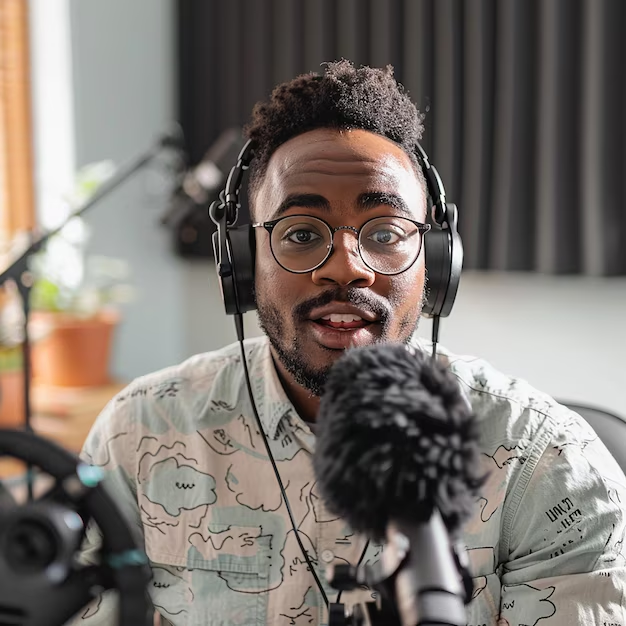
Basic equipment includes a good microphone, headphones, and recording software. Recording in a quiet environment reduces background noise and improves clarity. Simple adjustments like microphone positioning and room setup can make a big difference.
The goal is not perfection but consistency and clarity.
Editing and Post-Production
Editing is where raw recordings become polished episodes. This stage involves removing long pauses, correcting volume levels, and improving flow.
Simple editing tools are enough to get started. Focus on making the episode easy to listen to without over-editing. Intros and outros help create identity and structure, while background music should be subtle and not distracting.
Good editing improves listener experience and makes your podcast feel intentional.
Publishing and Distribution
Once your episode is ready, it needs to be hosted and distributed. Podcast hosting platforms store your audio files and distribute them to listening platforms.
After uploading, submit your podcast to major directories so people can find it easily. Consistent publishing schedules help listeners know when to expect new episodes.
Promotion also matters. Sharing episodes on social media and engaging with listeners helps build early traction.
Monetization Strategies
Podcast monetization usually comes after building trust and a consistent audience. Common methods include sponsorships, advertising, listener support, affiliate promotions, merchandise, and paid content.
The key is alignment. Monetization should match your audience and content style. Rushing monetization without value often leads to poor results.
When done properly, podcast income grows gradually and sustainably.
Legal and Ethical Considerations
Podcast creators must understand basic legal responsibilities. This includes respecting copyright rules, avoiding defamatory content, and being clear when content is sponsored.
Using licensed music and being transparent with listeners builds credibility. Ethical podcasting strengthens long-term trust and protects your platform.
Growing and Sustaining Your Audience
Audience growth comes from consistency, relevance, and engagement. High-quality content encourages sharing and repeat listening.
Collaborations, guest appearances, and cross-promotion help expose your podcast to new audiences. Listening to feedback and improving over time keeps the podcast relevant.
Growth is gradual, but steady effort compounds.
Frequently Asked Questions
Is podcasting profitable in Australia?
Yes, podcasting can be profitable with the right niche, consistency, and monetization strategy, but it requires time and effort.
Do I need professional equipment to start?
No. You can start with basic equipment and upgrade as your podcast grows.
How often should I publish episodes?
Consistency matters more than frequency. Weekly or bi-weekly schedules work well when maintained.
Can I podcast alone or do I need guests?
Both work. Solo podcasts and interview formats can be successful depending on your content style.
How long should podcast episodes be?
There is no fixed length. Focus on delivering value rather than hitting a time target.
Conclusion
Starting a podcast in Australia is less about chasing trends and more about building something meaningful and consistent. Just like most top jobs, With the right planning, clear purpose, and honest delivery, podcasting can grow into a strong platform for expression, influence, and income.
When approached with patience and structure, a podcast becomes more than content. It becomes a long-term digital asset.