
Fruit Picker Jobs in Canada with Visa Sponsorship for New Immigrants
Getting a steady flow of work and income is one of the biggest challenges for new immigrants. Some businesses thrive because they have access to financial and labor support, while others struggle to survive without proper planning or opportunities.
For individuals looking to start earning abroad, seasonal work in agriculture, particularly fruit picking jobs in Canada, has become a reliable way to earn money, gain experience, and potentially secure pathways to permanent residency.
Canada’s agricultural sector relies heavily on seasonal labor to meet peak harvest demands. Programs like the Seasonal Agricultural Worker Program (SAWP) and the Temporary Foreign Worker Program (TFWP) make it possible for farms to hire international workers. These jobs do not usually require prior experience, making them accessible to new immigrants, but they do demand physical stamina, commitment, and attention to quality standards.
In this article, we will take you through everything you need to know about fruit picking jobs in Canada, including visa sponsorship, wages, costs, eligibility requirements, real-life experiences, and tips to maximize your earnings and safety while working on Canadian farms.
What Fruit Picking Jobs Entail
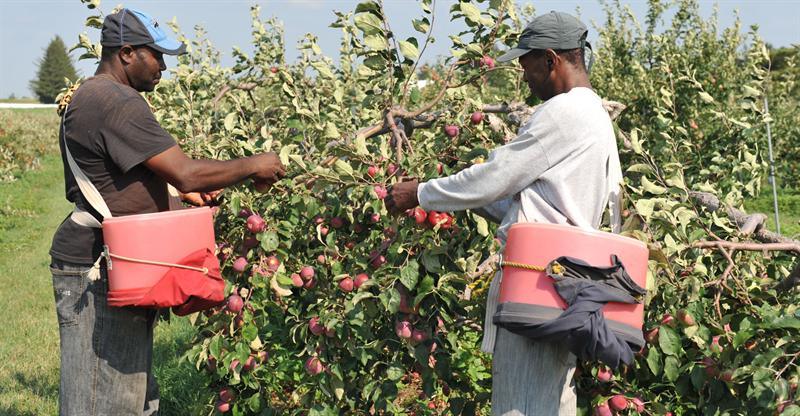
Fruit picking jobs are primarily seasonal agricultural positions where workers harvest fruits such as apples, cherries, peaches, and berries. Most of these jobs are outdoors, physically demanding, and require long hours during peak seasons.
Workers may pick fruits by hand, carry crates, or operate basic farm equipment. Depending on the farm, payment can be hourly or based on the quantity harvested (piece rate). Many farms are located in provinces like British Columbia (Okanagan Valley), Ontario (Niagara Region), Alberta, and Nova Scotia.
These jobs are structured under government programs to ensure fair employment conditions, housing, and visa sponsorship for international workers. The focus is on helping farms meet labor shortages while giving workers legitimate employment and income opportunities.
Wages and Compensation
Wages vary based on province, fruit type, and payment structure. Here’s what to expect:
| Province / Region | Hourly Wage Range (CAD) | Seasonal Estimate (40–50 hrs/week) | Notes |
|---|---|---|---|
| British Columbia | 17.85 – 20 | 25,000 – 35,000 | Piece rate common for cherries/apples |
| Ontario | 16.55 – 20 | 24,000 – 32,000 | Bonuses possible for high performance |
| Alberta | 18.34 – 22 | 28,000 – 38,000 | Fewer farms, higher base rate |
| National Average | 15 – 20 | 29,000 – 34,500 | Top earners can reach 40,000+ with overtime |
Piece-rate workers earn based on how much they pick, so fast and skilled pickers often make more. Taxes, employment insurance, and pension contributions are usually deducted from gross pay.
Costs and Investment for Applicants
While most costs are minimal, workers should prepare for some upfront expenses:
- Visa and Work Permit Fees: Typically around CAD 255–340, including application and biometrics.
- Travel: Round-trip airfare to Canada can be CAD 1,500–2,500, often reimbursed by the employer under SAWP.
- Medical Exam and Insurance: CAD 200–400 is required before travel.
- Living Expenses: On-farm housing is often provided; food and transportation may cost CAD 300–500 per month.
- Other Fees: Avoid intermediaries and agents demanding fees. Apply directly to employers or official portals.
Employers are required to provide free housing, utilities, and sometimes meals during the contract. This ensures that most of your earnings go directly into personal expenses or savings.
Eligibility and Requirements
To qualify for fruit picking jobs in Canada, workers usually need to meet these basic requirements:
- Age 18 and above.
- Physically fit for strenuous outdoor work.
- Valid passport and basic English or French skills.
- Employer must secure a positive Labour Market Impact Assessment (LMIA) proving no Canadians are available for the role.
- Job offer letter and visa documents submitted for processing.
- Police clearance and medical check-ups.
Formal agricultural certificates are generally not required, but prior farming or physical labor experience can help you stand out. Seasonal programs can also offer a pathway to permanent residency through programs like the Rural and Northern Immigration Pilot or Agri-Food Pilot after completion of work contracts.
How to Find and Apply for Jobs
Peak hiring occurs from January to March for summer harvests. Jobs are advertised on:
- Government Job Bank: Hundreds of seasonal harvesting roles across provinces.
- Direct Employer Websites: Farms often post openings for seasonal labor.
- Job Platforms like Indeed or Glassdoor: Include visa-sponsored listings for fruit pickers.
The proper process is to secure a job offer first, then apply online for a work permit via Canada’s IRCC portal. Processing typically takes 6–10 weeks. Be cautious of agents claiming guaranteed visas, legitimate programs do not charge upfront fees.
Accommodation and Perks
Most programs provide free or subsidized on-farm housing. Workers may also receive:
- Airfare or travel reimbursement.
- Medical insurance coverage.
- Meals or kitchen facilities on-site.
- Overtime pay for hours beyond the standard weekly schedule.
- Opportunities to gain Canadian work experience that can lead to permanent residency.
Common Challenges and Risks
While fruit picking jobs offer income, workers should be aware of potential issues:
- Long hours in outdoor conditions, sometimes under high heat or rain.
- Housing conditions may be basic; some farms have reported cramped accommodations.
- Being tied to one employer can make complaints difficult.
- Miscommunication on wages or overtime can occur, though programs attempt to protect workers.
Despite these challenges, many workers find the experience rewarding, both financially and personally, especially when prepared and informed in advance.
Tips for Success
- Apply early for peak harvests.
- Maintain good physical health for long hours.
- Keep clear records of hours, payments, and agreements.
- Follow all employer rules to ensure positive references for future contracts.
- Avoid paying agents; use official job portals or employer sites.
- Network with fellow workers for guidance and advice on local practices.
Conclusion
Fruit picking jobs in Canada are a practical option for new immigrants seeking employment, income, and experience. These roles provide an opportunity to earn decent wages, access visa sponsorship, and potentially build a path to permanent residency.
The work is demanding, but with the right preparation, awareness of costs, and understanding of program rules, it can be a rewarding experience.