How to Become a Professional Makeup Artist in Nigeria
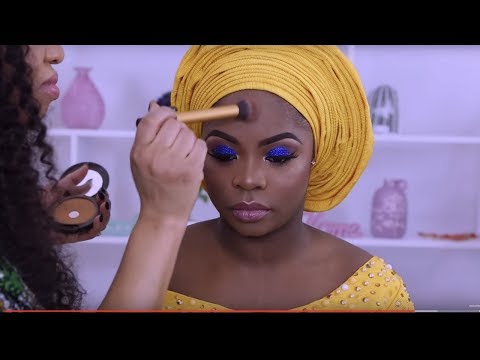
The beauty industry in Nigeria has evolved into a serious economic sector, driven by social media, film (Nollywood), weddings, and a fast-growing middle class. Makeup artistry, once considered informal, is now a structured profession with clear income potential, specialization paths, and brand-building opportunities.
This guide breaks down what it actually takes to become a professional makeup artist in Nigeria—from core skills and tools to costs, client acquisition, and long-term career growth.
Understanding the Nigerian Makeup Industry Landscape
Nigeria’s beauty market is one of the fastest-growing in Africa, with demand fueled by events, content creation, and retail beauty expansion. Bridal makeup alone accounts for a significant portion of professional bookings, while editorial, film, and commercial makeup are expanding niches.
Urban centers like Lagos, Benin, Ibadan and Port Harcourt offer higher earning potential, but competition is also more intense. In contrast, semi-urban and rural areas present underserved markets with lower saturation but also lower pricing ceilings.
Core Skills Every Professional Makeup Artist Must Master
Becoming a professional makeup artist goes far beyond applying foundation and lipstick. Clients today expect technical precision, hygiene standards, and adaptability.
1. Skin Preparation and Product Knowledge
Understanding different skin types, oily, dry, combination, and sensitive is foundational. Product compatibility and layering determine how long makeup lasts, especially in Nigeria’s humid climate.
2. Color Theory and Complexion Matching
Working with diverse skin tones is essential in Nigeria. A professional must confidently mix foundations, correct undertones, and avoid common issues like oxidation.
3. Blending and Application Techniques
Seamless blending is what separates amateurs from professionals. This applies to eyeshadow transitions, contouring, and highlight placement.
4. Hygiene and Sanitation Standards
Compliance with hygiene practices—such as brush sterilization and disposable applicators—is critical. This aligns with global safety expectations and builds client trust.
5. Client Communication and Consultation
A professional artist must translate vague client requests into practical looks while managing expectations and timelines.
Essential Tools and Kit Investment
Starting a professional kit in Nigeria requires strategic investment. Quality matters more than quantity, especially early on.
Starter Kit Cost Breakdown (Nigeria Market Estimate)
| Category | Recommended Budget (₦) | Notes |
|---|---|---|
| Foundations & Concealers | ₦80,000 – ₦200,000 | Multiple shades required |
| Brushes (Professional Set) | ₦50,000 – ₦150,000 | Synthetic preferred for hygiene |
| Eyeshadow Palettes | ₦40,000 – ₦120,000 | Neutral + bold colors |
| Powders & Setting Sprays | ₦30,000 – ₦90,000 | Essential for longevity |
| Lighting Equipment | ₦40,000 – ₦120,000 | Ring light or softbox |
| Storage Kit | ₦20,000 – ₦70,000 | Portability matters |
Estimated Startup Cost: ₦300,000 – ₦750,000
Professional artists often upgrade to premium brands over time, but starting with mid-range, reliable products is financially practical.
Training and Certification Pathways
While formal certification is not legally required in Nigeria, structured training significantly accelerates growth and credibility.
Available Learning Options:
- Makeup Academies (Physical Training): Best for hands-on practice
- Online Masterclasses: Flexible but require discipline
- Apprenticeships: Real-world experience under established artists
Recommended Certifications:
- Local academy certifications
- International short courses (optional but valuable)
- Hygiene and safety training (aligned with global beauty standards)
Getting Your First Clients: A Practical Guide
Landing your first paying client is often the hardest step. It requires visibility, trust, and proof of skill.
1. Build a Portfolio Immediately
Start with friends, family, or models. Focus on clean, well-lit photos that highlight your technique.
2. Leverage Social Media
Instagram, TikTok, and WhatsApp Business are primary client acquisition channels in Nigeria. Consistency matters more than virality.
3. Offer Introductory Pricing
Discounted rates for early clients help build testimonials and referrals.
4. Network Within Event Ecosystems
Collaborate with photographers, hairstylists, and event planners. These partnerships often lead to steady bookings.
Environmental Performance: Working Across Nigerian Conditions
Makeup performance varies significantly depending on the environment.
Urban (Lagos, Abuja)
- High humidity and heat
- Requires mattifying products and strong setting sprays
- Demand for long-lasting bridal and event looks
Rural Areas
- Less access to premium products
- Simpler looks often preferred
- Lower competition but also lower pricing
Off-Grid / Outdoor Events
- Limited electricity (lighting challenges)
- Heat-resistant and sweat-proof products are essential
- Portable kits and battery-powered lighting are critical
Financial Analysis and Return on Investment (ROI)
Average Service Pricing (Nigeria)
| Service Type | Price Range (₦) |
|---|---|
| Bridal Makeup | ₦50,000 – ₦300,000+ |
| Party/Guest Makeup | ₦10,000 – ₦50,000 |
| Photoshoot Makeup | ₦20,000 – ₦100,000 |
Monthly Income Projection
| Client Volume | Avg Price (₦20,000) | Monthly Revenue |
|---|---|---|
| 10 clients | ₦20,000 | ₦200,000 |
| 20 clients | ₦20,000 | ₦400,000 |
| 40 clients | ₦20,000 | ₦800,000 |
ROI Estimate
- Startup Cost: ~₦500,000 (average)
- Break-even Timeline: 2–5 months (depending on client flow)
Ongoing costs include product replenishment, transport, and marketing.
Professional Standards and Safety Compliance
Even in an unregulated market, professionals are expected to align with global standards:
- Use dermatologically tested products
- Avoid expired cosmetics
- Follow sanitation protocols (brush cleaning, disposables)
- Maintain client records for allergies or sensitivities
These practices align with international cosmetic safety guidelines and improve credibility.
Pros and Cons of Becoming a Makeup Artist in Nigeria
Advantages
- Low to moderate startup cost
- High demand driven by events and media
- Flexible work structure
- Strong personal branding potential
Challenges
- Highly competitive in urban areas
- Income instability in early stages
- Product costs affected by import pricing
- No strict regulatory framework (quality varies widely)
Market Trends and 2026 Industry Outlook
The Nigerian beauty industry is expected to continue expanding through 2026, driven by:
- Growth of influencer marketing
- Increased demand for professional grooming
- Expansion of local beauty brands
- Digital booking platforms and AI-driven beauty consultations
Emerging trends include:
- Airbrush makeup systems
- Skin-focused “no-makeup” looks
- Sustainable and cruelty-free products
Professionals who adapt to these trends and invest in continuous learning will remain competitive.
Final Thoughts
Becoming a professional makeup artist in Nigeria is both accessible and scalable, but it requires more than creativity. Technical skill, business awareness, and consistency are what ultimately determine success.
The most successful artists treat makeup as both a craft and a business, investing in quality tools, maintaining professional standards, and building a recognizable brand.