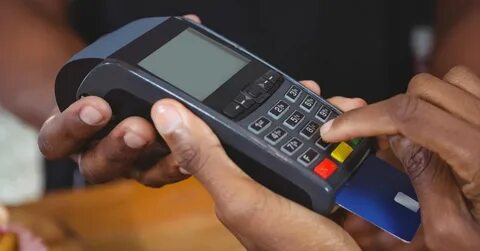
How Fake Transfers Target POS Agents, Online Vendors, and Businesses in Nigeria
Nigeria’s transition to a cash-light economy has accelerated rapidly over the past decade, driven by fintech innovation, real-time payment systems, and widespread mobile adoption.
Today, instant bank transfers, powered largely by the NIBSS Instant Payment (NIP) infrastructure, are the default method for everyday transactions across retail, e-commerce, and small businesses. But this convenience has come with a growing downside: the rise of increasingly sophisticated fake transfer scams.
What was once limited to poorly edited SMS alerts has evolved into a coordinated ecosystem of fraud tactics. In 2026, scammers are leveraging cloned banking interfaces, social engineering, and timing gaps in user verification habits to exploit individuals and businesses alike. The result is a persistent threat that disproportionately affects POS agents, online vendors, and small-to-medium enterprises (SMEs), segments that rely heavily on speed, trust, and high transaction turnover.
Crucially, fake transfer fraud is no longer just a technical issue; it is a behavioral and operational risk. Fraudsters adapt their methods depending on their target, exploiting specific weaknesses in how different groups process and confirm payments. A POS agent under pressure to serve a queue faces a different risk profile than an Instagram vendor rushing to dispatch an order, or a business processing high-value transactions based on emailed confirmations.
Understanding these variations is what separates basic awareness from effective fraud prevention.
1. POS Agents: The Most Targeted Group
POS (Point of Sale) agents remain the primary victims of fake transfer scams in Nigeria.
Why POS Agents Are Vulnerable:
- High transaction volume
- Pressure to serve customers quickly
- Cash-based settlements (instant loss if defrauded)
Common Scam Scenario:
A customer requests a withdrawal via transfer:
- Shows a fake debit alert or screenshot
- Claims network delay
- Applies pressure (“others are waiting”)
The agent releases cash—but no money was ever sent.
Industry Insight:
Fraudsters often work in teams, distracting the agent while the fake proof is presented.
Protection Strategy:
- Always confirm via POS terminal or mobile banking balance
- Ignore SMS alerts completely
- Set a non-negotiable rule: no balance update = no cash
2. Online Vendors (Instagram, WhatsApp, TikTok Sellers)
E-commerce fraud has surged with the rise of informal digital marketplaces.
Typical Scam Pattern:
- Buyer places an order
- Sends a convincing fake transfer receipt
- Pushes for urgent delivery (“dispatch rider is already on the way”)
Red Flags Specific to Online Sales:
- Overpayment tricks (“I mistakenly sent extra, refund me”)
- Edited bank alerts with logos and timestamps
- Payment from unrelated third-party accounts
What Experienced Vendors Do:
- Use automated payment verification tools (Paystack, Flutterwave)
- Avoid manual confirmation entirely
- Delay delivery until funds are fully settled and confirmed
3. Physical Retail Stores and Walk-in Customers
Brick-and-mortar businesses face a hybrid version of both POS and online scams.
Common Tactic:
Fraudsters:
- Dress and behave like legitimate customers
- Purchase goods
- Present fake transfer proof at checkout
Because the environment feels “normal,” suspicion is lower.
Key Risk Moment:
The checkout point—especially when staff are distracted or inexperienced.
Mitigation Approach:
- Train staff: screenshots are not proof
- Centralize payment verification (manager approval for transfers)
- Install real-time banking apps on store devices
4. High-Value Business Transactions
At the corporate or SME level, fake transfers become more sophisticated.
Advanced Scam Techniques:
- Fake corporate payment confirmations
- Email spoofing (pretending to be finance departments)
- Forged transaction receipts with real bank templates
Example:
A fraudster impersonates a company:
“Payment has been made. See attached receipt.”
The document looks legitimate—but no funds were transferred.
Best Practice:
- Verify payments through official bank channels only
- Cross-check with account officers or relationship managers
- Never rely on emailed proof alone
5. Logistics and Dispatch Scams
Delivery-based fraud is growing rapidly in cities like Lagos, Abuja, and Port Harcourt.
How It Works:
- Buyer sends fake payment
- Sends a dispatch rider immediately
- Vendor releases goods before confirming funds
By the time the fraud is discovered:
- Rider is gone
- Contact becomes unreachable
Prevention:
- Never release items to riders without confirmed payment
- Use escrow or verified payment platforms where possible
Behavioral Patterns of Fraudsters (What to Watch Closely)
Across all categories, fraudsters share consistent behavioral signals:
| Behavior | What It Indicates |
|---|---|
| Urgency | bypass verification |
| Over-explanation | build false credibility |
| Resistance to waiting | High likelihood of fraud |
| Use of multiple excuses | in actual transaction proof |
The Technology Reality in 2026
Nigeria’s payment infrastructure is stronger than ever:
- NIBSS Instant Payment (NIP) remains highly reliable
- Fintech APIs now allow real-time verification
- Most delays are resolved within minutes
Which means:
Fake transfer scams today succeed not because of system failure—but because of human error.
Final Take: Build a Zero-Trust Payment Habit
If there’s one principle that consistently prevents loss across all sectors, it is this:
Trust your bank balance—not the customer, not the screenshot, not the story.
Whether you’re:
- A POS agent handling daily cash
- An Instagram vendor shipping nationwide
- A business owner closing large deals