How to Become a Used Clothes (Okirika/Thrift/Bend-Down Select) Seller in Nigeria
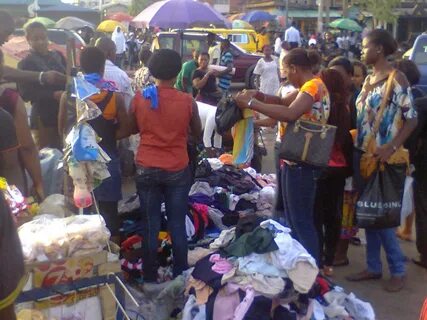
Nigeria’s secondhand clothing market has quietly transformed from a roadside hustle into a structured, fast-moving retail segment powered by digital platforms, shifting consumer behavior, and economic realities. What used to be called okrika or bend-down select is now increasingly branded as thrift fashion, vintage retail, or even circular fashion commerce.
This guide takes a ground-level, data-driven look at how the business actually works in 2026. It draws from recent vendor insights, pricing patterns, sourcing calendars, and the lived experiences of sellers across Lagos, Aba, Onitsha, and beyond.
The Business Model and Why It’s Thriving in 2026
At its core, the thrift clothing business involves sourcing used but wearable garments, typically imported from the UK, USA, Canada, or Asia, and reselling them individually at a margin. These clothes are sold in compressed bundles known as bales or as handpicked premium items referred to as cream.
The surge in demand is not accidental. Nigeria’s inflationary environment has significantly reduced purchasing power, making brand-new clothing inaccessible for many households. Thrift fills that gap by offering affordability without sacrificing style.
Beyond affordability, there is a cultural shift underway. Younger consumers, particularly Gen Z, are actively embracing sustainability and uniqueness. Vintage denim, oversized shirts, linen pieces, and minimalist corporate wear are trending, and thrift sellers are positioned at the center of this demand.
At the same time, digital platforms have removed geographic limitations. A seller operating from a single room in Ibadan or Lagos can now reach customers nationwide through social media and logistics networks.
Understanding the Market Structure
The Nigerian thrift ecosystem operates through three primary supply formats:
| Supply Type | Description | Risk Level | Profit Potential |
|---|---|---|---|
| Handpicked (Cream) | Individually selected high-quality items | Low | High per item |
| Small Bale | Mixed items, moderate quality control | Medium | Moderate |
| Full Bale (45–55kg) | Bulk purchase with mixed grades | High | High if sorted well |
Grades matter significantly. Grade A (often called cream) commands the highest resale value, while lower grades require more effort in sorting, cleaning, and discounting.
How to Start From Scratch
Entering the business does not require prior experience, but it demands observation, discipline, and an eye for detail.
The first step is understanding your local demand. In urban areas, corporate wear and casual fashion perform well, while family-heavy environments often favor children’s clothing. Specialization helps early growth.
Sourcing comes next. Markets such as Arena Oshodi, Katangua, Yaba, Balogun, and Aswani in Lagos remain central hubs. Aba, Onitsha, Kano, and even Cotonou offer alternative supply chains, often at different price points. For beginners, handpicking is strongly recommended to avoid the financial shock of a bad bale.
Once inventory is acquired, preparation becomes critical. Clothes must be washed thoroughly, often with vinegar solutions to remove storage odors, then ironed or steamed. Minor repairs such as fixing buttons or stitching seams significantly increase resale value.
Selling can begin immediately from home. Many successful sellers operate entirely without physical shops, relying instead on WhatsApp, Instagram, and TikTok for distribution.
Timing the Market: The 2026 Sourcing Calendar
Profitability in this business is closely tied to timing. Inventory purchased at the wrong time often sells slowly or at discounted prices.
| Quarter | Focus Items | Key Sales Period |
|---|---|---|
| Q1 (Jan–Mar) | Light dresses, chiffon tops, summer wear | Easter season |
| Q2 (Apr–Jun) | Kids’ clothing, men’s jeans/shirts | Eid celebrations |
| Q3 (Jul–Sep) | Hoodies, school wear, tracksuits | Back-to-school |
| Q4 (Oct–Dec) | Party wear, luxury items, bags | Christmas/New Year |
One critical operational insight is the need to order stock at least two to three months in advance, especially for those importing or buying from distant suppliers. Currency volatility and logistics delays can erase seasonal advantages if not managed early.
Startup Costs and Financial Realities in 2026
One of the most attractive aspects of the thrift business is its low entry barrier. However, the scale of entry determines both risk and return.
| Startup Level | Estimated Capital | What It Covers |
|---|---|---|
| Beginner | ₦30,000 – ₦100,000 | Handpicked items, basic setup |
| Small Bale | ₦120,000 – ₦200,000 | One bale + logistics |
| Full Bale | ₦180,000 – ₦400,000+ | Bulk inventory purchase |
A realistic beginner allocation might look like this:
| Expense Category | Estimated Cost |
|---|---|
| Inventory | ₦30,000 – ₦40,000 |
| Cleaning & Packaging | ₦5,000 – ₦10,000 |
| Transport & Marketing | ₦5,000 |
Margins can be substantial. A top bought at ₦800 may sell for ₦3,500, while jeans sourced at ₦2,000 can move for ₦8,000 or more depending on quality and branding.
A well-sorted bale costing ₦200,000 can generate ₦400,000 to ₦600,000 in revenue when sold piece by piece, though this depends heavily on quality and sales strategy.
What Actually Works in Today’s Market
The 2026 thrift market rewards efficiency over hype. Sellers who focus on fast turnover, consistent restocking, and disciplined reinvestment outperform those chasing expensive premium bales.
Handpicking remains the safest entry strategy. It allows beginners to understand quality differences, pricing psychology, and customer preferences before scaling.
Presentation has also become a defining factor. Clean, well-ironed clothes displayed in good lighting significantly outperform poorly presented items. The shift from “okrika” to “premium thrift” branding is not just cosmetic, it directly impacts pricing power.
Equally important is sales discipline. Practices such as holding items without payment or selling on credit often lead to lost revenue and stalled growth.
The Role of Social Media in Scaling the Business
Digital platforms now function as the primary marketplace for thrift sellers in Nigeria.
TikTok has emerged as the strongest discovery engine. Short-form videos showcasing bale openings, outfit combinations, and budget styling consistently attract thousands of views. Viral formats like “What ₦3,000 can get you” drive immediate conversions.
Instagram operates as a storefront. Reels, stories, and curated grids help build brand identity, while targeted ads, even with budgets as low as ₦2,000, can bring in new customers.
WhatsApp remains the conversion hub. Status updates, broadcast lists, and direct messaging enable fast transactions and repeat sales. Many sellers report that over half of their revenue comes from returning WhatsApp customers.
Facebook Marketplace continues to serve a broader demographic, particularly older buyers who prioritize affordability and direct negotiation.
The most effective strategy is integration. Content flows from TikTok to Instagram, then to WhatsApp for final purchase, creating a seamless customer journey.
Profit Expectations and Growth Timeline
The business can generate income quickly, but outcomes depend on consistency and execution.
| Seller Level | Expected Profit |
|---|---|
| Beginner | ₦20,000 – ₦50,000 weekly |
| Intermediate | ₦100,000 – ₦200,000 monthly |
| Advanced | ₦150,000 – ₦500,000+ monthly |
Some high-performing sellers operating multiple bales and strong online brands achieve significantly higher figures, including six-figure monthly profits.
The fastest growth typically occurs during Q4, when festive demand peaks. However, experienced sellers use slower periods to restock, refine strategy, and prepare for the next cycle.
Risks, Myths, and Ground Truths
Despite its accessibility, the thrift business is not without challenges.
Bad bales remain a major risk. Without proper inspection, sellers can end up with unsellable stock. Supplier trust and experience are critical safeguards.
There are also operational challenges, including power supply for ironing, physical strain from sorting, and occasional exposure to chemicals used in clothing preservation.
Culturally, some misconceptions persist around secondhand clothing, including outdated beliefs about contamination or bad luck. Successful sellers counter this through branding, cleanliness, and transparency.
The most consistent reason for failure is financial mismanagement. Many beginners withdraw profits instead of reinvesting, leading to stalled inventory cycles and eventual exit from the business.
Final Analysis: Is It Worth Starting in 2026?
The Nigerian thrift clothing market remains one of the most accessible and scalable small business opportunities available today. Its combination of low entry cost, high demand, and digital reach makes it particularly attractive for young entrepreneurs and side hustlers.
However, profitability is not automatic. It requires a disciplined approach to sourcing, consistent marketing, and a strong understanding of customer preferences.