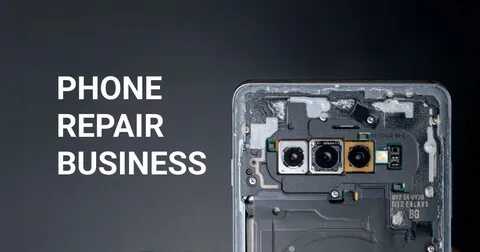
How to Start a Phone Repair Business in Nigeria
Nigeria’s mobile repair ecosystem is not just “growing”, it is structurally embedded into the economy. From what I’ve seen in the field and from consistent market behavior, this is one of the few technical service businesses that remains resilient even during currency instability and import shocks.
The reason is simple: smartphones have become essential infrastructure. With over 80% mobile penetration and rising device costs driven by FX volatility, consumers are choosing repair over replacement. That single behavior shift is what keeps this industry liquid.
At a macro level, the electronic repair market (driven largely by smartphones) was valued at approximately USD 785.84 million in 2024 and is projected to reach USD 1.126 billion by 2030, reflecting a steady ~6.02% CAGR. On the ground in Nigeria, that translates into daily repair demand across every major city.
Now let’s break it down properly, this is not theory. This is how the business actually runs.
Market Reality: Why Phone Repair Still Wins in Nigeria
If you understand Nigeria’s consumer structure, you’ll see why this business is durable:
- New smartphones are increasingly expensive due to import duties and exchange rates
- Users upgrade less frequently and maintain devices longer
- Common issues are repetitive and predictable:
- Screen damage
- Battery degradation
- Charging port faults
- Software issues
- Water damage
In Lagos, Ibadan, Kano, and Abuja, repair technicians don’t struggle with demand—the real challenge is trust, skill, and consistency.
This is where most beginners fail.
Skill First: The Actual Entry Point (Not Capital)
Let me be direct from an industry standpoint:
If you don’t have skills, capital alone will not save you in this business.
The strongest operators I’ve observed all follow this structure:
Training Pipeline (Realistic Timeline)
- 0–2 months: Basic handling and teardown
- 3–4 months: Screen, battery, and charging repairs
- 5–6 months: Diagnostics and fault tracing
- 6+ months: Advanced work (IC, board-level repair, soldering)
The most practical training still happens through:
- Apprenticeship under an experienced technician
- Hands-on practice using faulty devices
- Supplementary learning via technical manuals and video guides
Institutions like Carlcare Nigeria also offer structured technical training, especially on Android device repair ecosystems.
Startup Cost Breakdown (2025–2026 Realities)
Here is a realistic cost structure based on current market conditions in Nigeria:
Entry-Level Setup (Lean Operator)
Total: ₦20,000 – ₦100,000
This is how many technicians actually start—especially in urban Nigeria.
Small Shop Setup
| Category | Estimated Cost (₦) |
|---|---|
| Basic tools (screwdrivers, tweezers, etc.) | 5,000 – 20,000 |
| Initial spare parts | 20,000 – 50,000 |
| Training (informal/apprenticeship) | 0 – 50,000 |
| Mobile/home setup | 0 – 20,000 |
Total: ₦300,000 – ₦1,000,000+
Core Equipment You Actually Need
From an operational perspective, your toolkit determines your output capacity.
Essential equipment includes:
- Precision screwdrivers
- Multimeter
- Soldering iron
- Hot air rework station
- LCD separator
- Magnification tools
- Battery and screen testers
Advanced setups may include:
- Microscope (for board repair)
- Ultrasonic cleaner
- OCA laminator
Without proper tools, your failure rate increases—and in this business, failure equals refunds and reputation damage.
Business Model: How Money Actually Flows
The phone repair business in Nigeria runs on two parallel income streams:
1. Service-Based Revenue (Repair Jobs)
- Screen replacement
- Battery replacement
- IC repairs
- Software fixes
Margins are moderate but consistent.
2. Product-Based Revenue (Accessories)
- Chargers
- Earphones
- Phone cases
- Screens and batteries
Accessories often carry higher margins (sometimes 50–80%), which is why many operators combine both.
Location Strategy: Where You Win or Lose
Location is not just geography, it’s traffic density.
High-performing locations:
- Computer hubs (e.g., Computer Village, Ikeja)
- University environments
- Busy markets
- Commercial districts
However, a newer trend I’ve seen working extremely well is:
Mobile / Home-Based Repair Model
This model removes:
- Rent
- Daily shop stress
- Idle waiting time
Instead, you:
- Accept bookings via WhatsApp
- Offer pickup and delivery
- Operate on-demand
In a congested city like Lagos, this model can outperform traditional shop setups if executed correctly.
Marketing Strategy: How Customers Actually Find You
Forget expensive marketing—this business is reputation-driven.
High-Impact Channels:
- WhatsApp Business (catalog + broadcast)
- Google Business Profile
- Instagram & TikTok repair content
- Local referrals
What Works Best:
- Before/after repair videos
- Short diagnostic clips
- Transparent pricing posts
Trust is your currency.
If customers believe you won’t damage or swap their phone, your growth becomes exponential.
Profitability: Realistic Earnings
From observed market behavior and practitioner reports:
- Small operator: ₦7,000 – ₦15,000 daily
- متوسط operator: ₦100,000 – ₦300,000 monthly
- Established shop: ₦300,000 – ₦1,000,000+ monthly
Your income depends on:
- Skill level
- Location
- Trust/reputation
- Inventory management
Risks and Operational Challenges
Let’s be realistic—this is where many fail.
1. Fake or Low-Quality Spare Parts
Cheap parts reduce cost but increase:
- Refunds
- Customer complaints
- Device damage
2. Power Instability
Electricity issues increase:
- Operating costs
- Delays in repairs
3. Trust Issues in the Market
In some areas, unethical practices like:
- Phone swapping
- Price inflation
- Device tampering
These are real risks and damage the industry reputation.
4. Skill Gap
If you lack technical depth, you cannot scale beyond basic repairs.
2026 Trends Shaping the Industry
From an industry analysis standpoint, these trends are defining the next phase:
1. Mobile Repair Services
Convenience is becoming a premium.
2. Refurbished Devices Market
Repair → resale is becoming a strong secondary business.
3. Technical Specialization
Technicians who master:
- iPhones
- Board-level repair
- Foldable devices
…are commanding higher prices.
4. Digital Visibility
Google Maps + social media presence is now essential for discovery.
Scaling the Business (Where Serious Money Comes In)
Once stable, you expand by:
- Hiring junior technicians
- Expanding inventory
- Offering training services
- Moving into wholesale spare parts
- Building a multi-location brand
At scale, the business becomes less about repair and more about operations and distribution.
Final Industry Verdict
From an analyst’s standpoint, the phone repair business in Nigeria remains:
- Highly viable
- Low entry barrier
- Skill-dependent
- Trust-driven
But it is not a casual business.
If you treat it like a serious technical operation, with discipline, honesty, and reinvestment, it can evolve into a long-term, high-income asset.