
Nigeria’s entertainment economy continues to expand rapidly, and DJing remains one of the most practical entry points into the wider music and nightlife industry. From Lagos club scenes to Ibadan weddings and Abuja corporate events, demand for skilled DJs is consistent. But unlike casual perceptions, becoming a professional DJ in Nigeria in 2026 is a structured business path that combines technical skill, capital investment, branding, and relentless networking.
This guide breaks down the journey with a clear, industry-focused perspective grounded in how the Nigerian market actually operates today.
The DJ Industry in Nigeria: A Practical Overview
The Nigerian DJ ecosystem is driven by Afrobeats, Amapiano, and street-party culture. DJs are central to weddings, birthdays, club nights, corporate events, and even religious celebrations.
Unlike many Western markets, Nigerian DJs are often expected to double as entertainers, crowd readers, and sometimes hype facilitators. This means success depends not just on technical mixing but also on cultural awareness and audience control.
A typical working DJ in Nigeria earns:
- Entry level: ₦50,000 to ₦150,000 per event
- Mid-tier: ₦200,000 to ₦500,000 per event
- Top-tier DJs: ₦500,000 to ₦2,000,000+ per event
However, consistent income takes time. Many professionals spend 6 to 18 months building credibility before stabilizing their earnings.
Step 1: Learning the Craft and Building Technical Skill
At its core, DJing is a technical skill. Before investing heavily in equipment, understanding the fundamentals is essential.
Key skills include:
- Beatmatching and tempo control
- Track selection and sequencing
- EQ mixing and sound balancing
- Crowd reading and energy management
- Basic scratching and transitions
Training Options in Nigeria
Some DJs learn independently using platforms like YouTube, while others prefer structured training.
One example of structured training is the Vibes DJ Academy in Lagos. Their programs focus on Serato DJ Pro and real-world performance training, which includes mentorship and industry exposure. Beginner courses can cost around ₦250,000, while advanced programs go higher depending on specialization.
International programs exist as well, but they are often expensive due to currency conversion, sometimes exceeding ₦2 million.
Software and Practice
Popular DJ software includes:
- Serato DJ Pro and Lite
- Rekordbox
- Virtual DJ
Serato DJ Lite remains a strong starting point for beginners because it is free and widely compatible with beginner controllers.
Step 2: Equipment and Startup Costs in Nigeria
DJ equipment pricing in Nigeria is heavily influenced by exchange rates, import costs, and availability. This makes DJing a capital-intensive career path compared to many creative fields.
Below is a breakdown of typical startup equipment costs in Nigeria as of 2026.
Equipment Cost Breakdown
| Item | Estimated Cost (₦) | Notes |
|---|---|---|
| DJ Controller | ₦500,000 – ₦2,900,000 | Core hardware for mixing |
| Laptop | ₦300,000 – ₦500,000 | i5/RAM 16GB recommended |
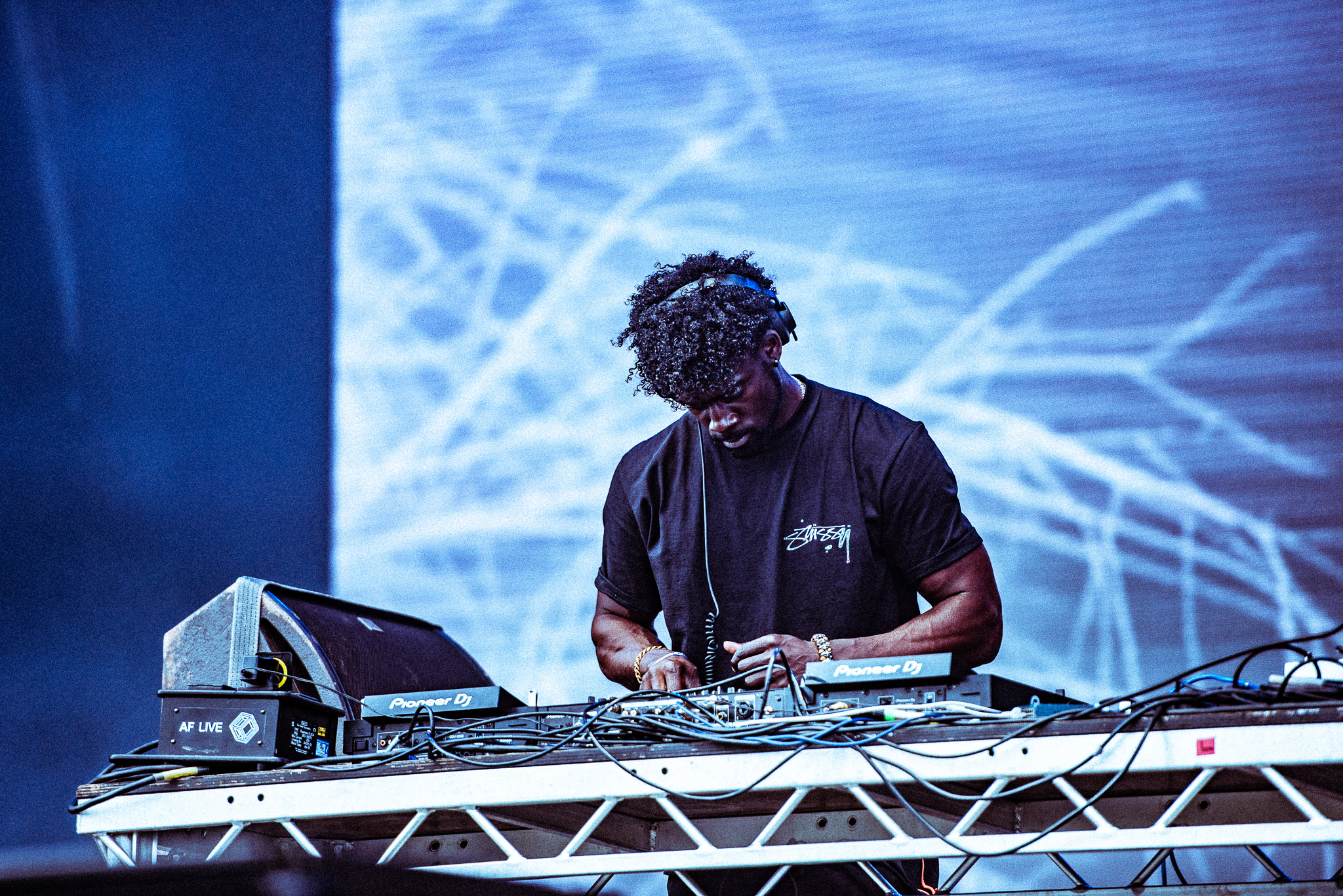
| Speakers (PA system) | ₦400,000 – ₦950,000+ | Essential for gigs |
| Headphones | ₦30,000 – ₦100,000 | Monitoring tool |
| Generator / Power Backup | ₦200,000 – ₦500,000+ | Critical in Nigeria |
| Accessories | ₦100,000 – ₦300,000 | Cables, cases, stands |
Total Estimated Startup Cost
- Basic setup: ₦1.5 million to ₦3 million
- Professional setup: ₦4 million and above
This estimate reflects a mobile DJ setup capable of handling private events and small club gigs.
Power Reality in Nigeria
Power supply remains one of the biggest operational challenges. DJs must invest in generators or inverters to avoid cancellations during events. Fuel costs are an ongoing expense and can significantly affect profit margins.
Step 3: Building a Music Library and Understanding Trends
A DJ is only as good as their music selection.
To stay competitive in Nigeria, your library must include:
- Current Afrobeats hits
- Amapiano tracks
- Throwback Nigerian classics
- International crossover hits
- High-energy party tracks
Professional DJs often maintain libraries of 10,000 tracks or more.
Organization Strategy
Tracks should be organized by:
- BPM (beats per minute)
- Genre
- Energy level
- Key (for harmonic mixing)
Record pools like DJ City and BPM Supreme provide access to licensed music for a subscription fee, ensuring quality and consistency.
Step 4: Landing Your First Gig
Breaking into the industry is often the hardest stage.
How Beginners Get Gigs
- Start with friends and family events
- Offer free or low-cost performances initially
- Network with event planners and club promoters
- Post mixes online to build visibility
- Join DJ booking platforms like Cueup
Expected Earnings for First Gigs
- Small events: ₦50,000 to ₦150,000
- Early-stage DJs may perform for free for exposure
Performance Strategy
To succeed at your first gig:
- Prepare a structured setlist
- Focus on crowd engagement
- Have backup equipment ready
- Arrive early and test your setup
- Record your performance for promotion
In Nigeria, reputation spreads quickly. A strong first impression can lead to multiple bookings.
Step 5: Social Media and Personal Branding
In 2026, DJ success is heavily tied to online presence.
Key Platforms
Instagram
The most important platform for DJs. Reels drive discovery and bookings.
TikTok
Ideal for viral mixes and short clips. High potential for rapid growth.
WhatsApp Business
Primary communication tool for Nigerian clients. Used for booking confirmations and pricing discussions.
YouTube
Used for long-form mixes and search engine visibility.
Content Strategy
- Post short mixes regularly
- Share live event clips
- Showcase crowd reactions
- Maintain consistency
Consistency builds authority and trust.
Step 6: Understanding Market Trends in 2026
The Nigerian DJ scene is evolving rapidly.
Current Trends
- Afrobeats dominance led by artists like Wizkid, Davido, and Burna Boy
- Amapiano influence blending into Nigerian parties
- High-energy “street” sets with crowd interaction
- Video DJ mixes gaining popularity online
DJs who adapt quickly to trends tend to secure more bookings.
Step 7: The Real Challenges in Nigeria
Becoming a DJ in Nigeria is not just about skill. It is also about surviving the operational realities.
Key Challenges
- Unstable power supply
- High equipment costs due to exchange rates
- Fuel expenses for generators
- Strong competition
- Inconsistent payment from clients
- Risk of equipment theft or damage
Monthly Operational Costs
- Fuel and logistics: ₦50,000 to ₦150,000
- Marketing: ₦20,000 to ₦100,000
- Music subscriptions: ₦10,000 to ₦20,000
These costs affect profit margins and must be managed carefully.
Step 8: Turning DJing into a Business
To succeed long term, DJs must treat their craft as a business, not just a hobby.
Business Essentials
- Register with the Corporate Affairs Commission
- Use a dedicated business WhatsApp number
- Track income and expenses
- Build a brand identity
- Develop relationships with promoters
Professional DJs in Nigeria operate more like entertainment brands than individuals.
Final Thoughts: Is DJing in Nigeria Worth It?
DJing in Nigeria in 2026 is both rewarding and demanding.
It offers:
- Strong cultural demand
- Flexible income potential
- Opportunities for branding and influence
However, it also requires:
- Significant upfront investment
- Consistent marketing effort
- Resilience against operational challenges
Success in this field is not accidental. It is built through consistency, networking, and adaptability.