

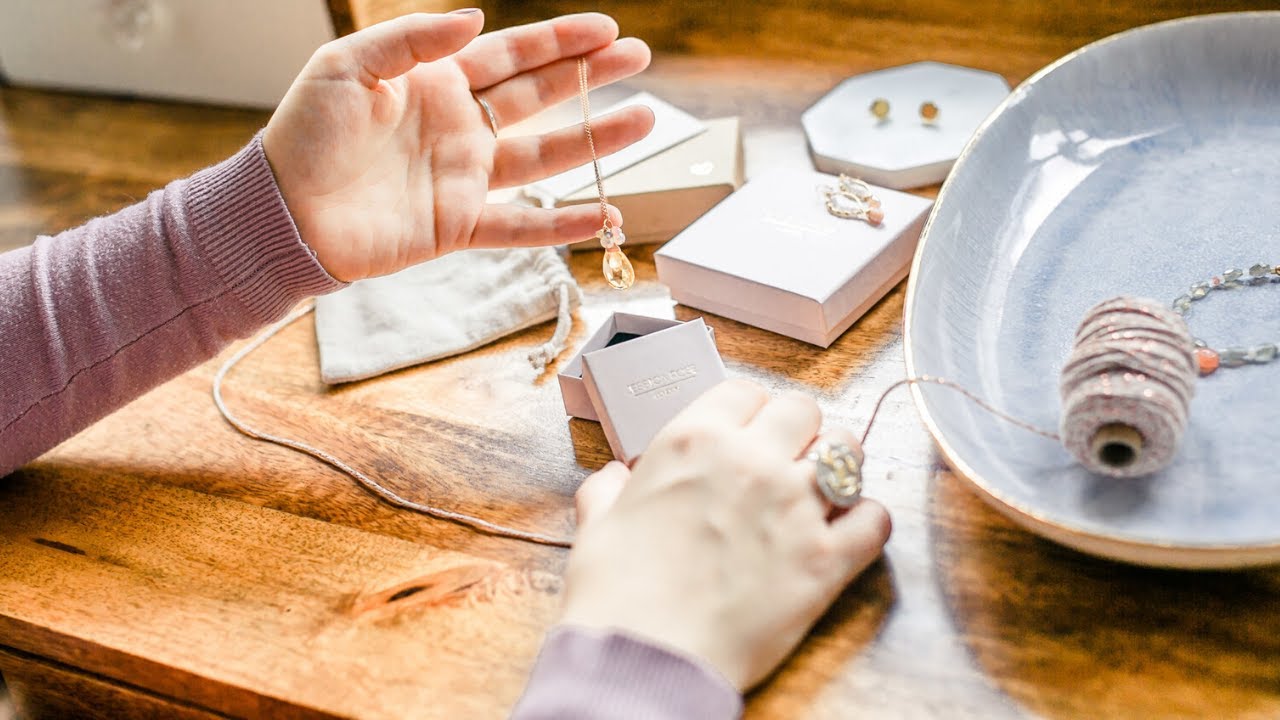
Nigeria’s jewelry market is evolving quickly, driven by rising middle-class demand, social media commerce, and increasing interest in both luxury and affordable fashion accessories. From gold and diamond pieces to handmade beads and stainless-steel fashion items, the sector offers real opportunities for entrepreneurs who approach it strategically.
This guide breaks down how to start and scale a jewelry business in Nigeria, combining practical steps with market insights, cost considerations, and industry best practices.
Understanding the Jewelry Market in Nigeria
Before entering the business, it is essential to understand how the market is structured.
Nigeria’s jewelry industry operates across three main segments:
| Segment | Description | Target Market | Price Range |
|---|---|---|---|
| Fine Jewelry | Gold, silver, diamonds | High-income earners, weddings | ₦100,000 – ₦10M+ |
| Mid-Range Jewelry | Gold-plated, semi-precious stones | Middle-class professionals | ₦10,000 – ₦150,000 |
| Fashion Jewelry | Beads, stainless steel, costume jewelry | Students, everyday wear | ₦1,000 – ₦20,000 |
Demand is heavily influenced by:
- Weddings and traditional ceremonies
- Religious and cultural events
- Social media fashion trends
- Urban lifestyle shifts
Step 1: Choose Your Jewelry Niche
One of the most common mistakes new sellers make is trying to sell everything at once. A focused niche improves branding and customer trust.
Popular niches in Nigeria include:
- Bridal and wedding jewelry
- Handmade bead jewelry (especially in the South-South and South-West)
- Minimalist everyday jewelry
- Luxury gold and diamond pieces
- Customized name necklaces and bracelets
Your choice should depend on:
- Your startup capital
- Your target audience
- Supply chain access
Step 2: Decide Your Business Model
There are three primary ways to operate:
1. Reselling (Low Entry Barrier)
You buy finished jewelry from wholesalers and sell at a markup.
Pros:
- Low startup cost
- Fast to launch
Cons:
- Lower profit margins
- Limited product uniqueness
2. Handmade Jewelry Production
You create your own designs using beads, wires, or metals.
Pros:
- Higher margins
- Strong brand identity
Cons:
- Requires skill and time
- Scaling can be challenging.
3. Custom or Luxury Jewelry
You work with goldsmiths or manufacturers to produce custom pieces.
Pros:
- High profit potential
- Premium clientele
Cons:
- High capital requirement
- Trust and quality expectations are critical.
Step 3: Register Your Business Properly
To build credibility and scale, formal registration is essential.
In Nigeria, you can register through the Corporate Affairs Commission (CAC):
- Business Name Registration: ₦10,000 – ₦25,000
- Limited Company (optional for scaling): ₦50,000+
Benefits include:
- Access to corporate bank accounts
- Ability to partner with larger brands
- Increased customer trust
Step 4: Source Quality Jewelry
Your supplier determines your reputation.
Local Sourcing Options:
- Lagos Island (Balogun Market, Idumota)
- Aba (for beads and accessories)
- Abuja markets
International Sourcing:
- Dubai (gold and luxury pieces)
- China (Alibaba, 1688 for fashion jewelry)
- Turkey (mid-range stylish designs)
Key evaluation criteria:
- Material authenticity
- Durability (non-tarnish quality)
- Supplier reliability
- Bulk pricing advantage
Step 5: Set Up Pricing Strategically
Pricing should reflect both market realities and your brand positioning.
Typical Pricing Formula:
| Cost Component | Example (₦) |
|---|---|
| Purchase Cost | 5,000 |
| Logistics | 1,000 |
| Packaging | 500 |
| Marketing | 1,000 |
| Total Cost | 7,500 |
| Selling Price | 12,000 – 15,000 |
Step 6: Build a Strong Online Presence
In Nigeria, social commerce drives jewelry sales more than physical stores.
Essential Platforms:
- Instagram (primary sales channel)
- TikTok (for product discovery)
- WhatsApp Business (customer conversion)
- Facebook Marketplace
Content That Converts:
- Close-up product videos
- Styling tips
- Customer testimonials
- Behind-the-scenes production
Consistency matters more than perfection.
Step 7: Invest in Branding and Packaging
Jewelry is an emotional purchase, presentation directly impacts perceived value.
Key elements:
- Branded jewelry boxes
- Thank-you cards
- Care instructions
- Clean logo design
Well-packaged products can justify higher pricing and encourage repeat purchases.
Step 8: Understand Customer Trust and Authenticity
Trust is a major issue in Nigeria’s jewelry market, especially for gold and luxury items.
To build credibility:
- Offer receipts and guarantees
- Be transparent about materials (e.g., gold-plated vs. pure gold)
- Share real customer reviews
- Maintain consistent communication
For high-value items, certification (e.g., gold purity) is a strong advantage.
Step 9: Start Small, Then Scale Strategically
Many successful jewelry sellers in Nigeria began with small inventory and reinvested profits.
Growth Strategies:
- Introduce limited collections
- Collaborate with influencers
- Offer seasonal discounts
- Expand into bridal packages
Avoid overstocking—inventory risk is high in fashion-driven markets.
Step 10: Financial Outlook and Startup Costs
Here’s a realistic estimate for starting small:
| Expense Category | Estimated Cost (₦) |
|---|---|
| Initial Inventory | 50,000 – 300,000 |
| Branding & Packaging | 20,000 – 80,000 |
| CAC Registration | 10,000 – 25,000 |
| Marketing | 20,000 – 100,000 |
| Logistics Setup | 10,000 – 30,000 |
| Total | 110,000 – 535,000 |
A lean startup model is highly viable, especially for online-first businesses.
Common Challenges (and How to Handle Them)
1. Fake or low-quality suppliers
Solution: Start with small test orders and verify quality.
2. High competition
Solution: Differentiate through branding and niche focus.
3. Customer trust issues
Solution: Use testimonials, videos, and transparent communication.
4. Logistics delays
Solution: Partner with reliable delivery services like GIG, Kwik, or DHL.
Final Thoughts
Becoming a jewelry seller in Nigeria is both accessible and competitive. The barrier to entry is relatively low, but long-term success depends on product quality, branding, and customer trust.
Entrepreneurs who treat the business as a structured venture not just a side hustle tend to outperform the market. With the right niche, consistent marketing, and disciplined reinvestment, a jewelry business can scale from a small online shop into a recognizable brand.