
POS business in Nigeria has become one of the fastest ways to make consistent daily income without needing millions to start. What is working for most agents today is the fact that Nigerians prefer quick cash withdrawals and transfers instead of waiting in long bank queues.
While some people are still confused about where to start, others are already running multiple POS points and making ₦200k–₦500k monthly from a business that requires less than ₦200k to launch.
The banking system in Nigeria still struggles with accessibility, especially in busy markets, motor parks, and residential areas where ATMs are either unavailable or always empty. This gap is exactly what POS agents are filling every single day. But the business is not just about buying a machine and waiting for customers. There are regulations, requirements, strategies, and mistakes that can either make you profitable within weeks or cause you to lose money fast.
That’s why we always research deeply, speak with active POS agents, read through CBN guidelines, and track updates from different providers before sharing anything on TechManly.
In this guide, I’ll walk you through the complete process of starting your POS business in Nigeria, the exact costs involved, the new CBN regulations you must follow, how to pick the right location, and the real profit potential based on what active agents are currently making.

What POS Business Really Means in Nigeria
A POS agent business means you provide basic banking services to customers using a Point of Sale terminal. Your customers come to you for:
- Cash withdrawals
- Money transfers
- Bill payments (electricity, cable TV, water)
- Airtime and data purchases
- Bank account opening assistance
You make money from commissions on every transaction. The more transactions you process daily, the higher your income becomes.
Step-by-Step Process to Start Your POS Business
Below is the actual process you need to follow. This is what working POS agents used to get started.
Step 1: Understand the Requirements
Before anything, confirm you meet these basic conditions:
- You must be 18 years old and above
- You need a valid BVN
- Clean credit record (no loan defaults in the past 12 months)
- Valid ID card (NIN, Driver’s License, Voter’s Card, or International Passport)
- Passport photograph
- Utility bill showing your address
- An existing business location helps but is not always compulsory
Step 2: Choose Your POS Provider
The provider you choose determines your commission structure, support system, and how fast you get paid.
Popular POS providers in Nigeria include:
Moniepoint
Known for reliable network and fast settlements. Commission is ₦20 flat for transfers and 0.5% on withdrawals between ₦1,000–₦20,000.
OPay
Fast onboarding process and quick approval. Good commissions and stable app performance.
PalmPay
Growing network with competitive rates and good customer support.
Firstmonie (First Bank)
Backed by First Bank with strong brand trust.
Paga
One of the oldest providers with nationwide coverage.
Pick one provider only. From April 2026, CBN rules state that agents can only operate under one principal provider — no multiple terminals from different companies.
Step 3: Register as an Agent
Visit the provider’s website or download their agent app. Fill the registration form with your correct details. Upload all required documents clearly.
Most providers will approve your application within 3–7 days if your documents are correct and your BVN is clean.
Some providers require you to complete at least 25 test transactions during training before full activation.
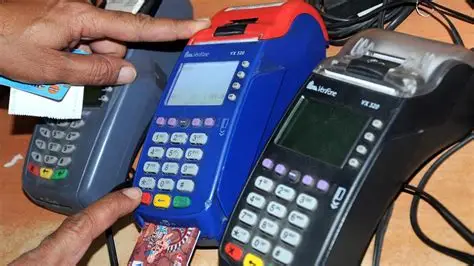
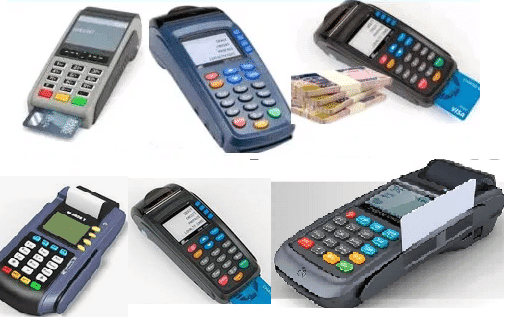
Step 4: Get Your POS Terminal
Once approved, you’ll receive your POS terminal. Some providers give the machine free if you commit to high transaction volume. Others charge between ₦30,000–₦75,000 depending on the model.
Make sure your terminal is geo-tagged immediately. CBN now requires all terminals to be registered with exact location coordinates.
Step 5: Set Up Your Float (Working Capital)
Float means the cash you keep available for customers who want to withdraw money.
Start with at least ₦50,000–₦100,000 as your float. This allows you to serve customers without running out of cash quickly.
As your business grows, increase your float to ₦200k, ₦500k, or even ₦1 million depending on your location and daily transaction volume.
Step 6: Choose Your Location Carefully
Location determines everything in POS business. The best locations are:
- Busy markets
- Motor parks and bus stops
- University and school campuses
- Residential areas without nearby banks
- Shopping complexes and plazas
- Areas with broken or empty ATMs
Avoid locations with more than 3–5 POS agents already operating nearby. Too much competition reduces your daily transaction count.
Step 7: Start Operations
Open your shop early (7 AM–8 AM is ideal). Display clear signage showing the services you offer. Keep your float organized and counted at all times.
Issue receipts for every transaction. Verify customer identity before processing large withdrawals. Stay alert for fraud attempts.
Total Startup Cost Breakdown
Here’s what you’ll actually spend to start:
| Item | Cost Range |
|---|---|
| POS Terminal | ₦30,000–₦75,000 (some providers give free) |
| Business Registration (CAC) | ₦5,000–₦10,000 (optional but recommended) |
| Shop Rent (monthly) | ₦20,000–₦50,000 (or use existing space) |
| Float Capital | ₦50,000–₦100,000 |
| Generator/Power Backup | ₦30,000–₦50,000 |
| Data Subscription | ₦5,000–₦10,000 |
| Signage and Branding | ₦5,000–₦10,000 |
| Total | ₦145,000–₦305,000 |
You can start with as low as ₦100,000 if you already have a shop and use a provider that gives free terminals.
How Much Can You Really Make?
Your income depends on transaction volume and your commission structure.
Daily Income Potential:
- Low volume (30–50 transactions): ₦3,000–₦7,000 per day
- Medium volume (100–150 transactions): ₦10,000–₦20,000 per day
- High volume (200+ transactions): ₦25,000–₦50,000 per day
Monthly Income:
- ₦90,000–₦210,000 (low volume)
- ₦300,000–₦600,000 (medium volume)
- ₦750,000–₦1,500,000 (high volume)
These figures are after deducting your daily expenses like transport, data, and generator fuel.

Important CBN Regulations You Must Follow
The Central Bank of Nigeria introduced new rules in October 2025. You must comply to avoid penalties.
Key Regulations:
- Maximum daily cash-out limit per agent: ₦1.2 million
- Maximum cash-out per customer per day: ₦100,000
- You must operate under only ONE provider from April 2026
- All terminals must be geo-tagged with exact location
- You cannot operate as a mobile agent — fixed location only
- You must keep transaction records for 5 years
- If you relocate, notify your provider 30 days in advance
- Monthly transaction reports are compulsory
Breaking these rules can lead to account suspension, blacklisting, or prosecution.
Common Challenges and How to Solve Them
Challenge 1: Network and Power Issues
Solution: Use dual SIM cards from different networks (MTN and Glo work well together). Get a small generator or solar charging system. Network downtime will cost you customers.
Challenge 2: Insufficient Float
Solution: Start small and reinvest 50% of your daily profit back into your float. As your float grows, your capacity to serve more customers increases.
Challenge 3: Fraud Attempts
Solution: Always verify customer identity for withdrawals above ₦10,000. Don’t process transactions for people who refuse to show ID. Use providers with fraud alert systems.
Challenge 4: Competition
Solution: Offer faster service, friendly customer care, and extended hours (open before others and close later). Small extras like charging phones for customers also help.
Challenge 5: Cash Shortages
Solution: Build relationships with nearby businesses that generate daily cash. They can supply you with cash when you run low, and you process their deposits.
Marketing Tips That Work
- Print clear signage and display it visibly
- Post daily on your WhatsApp status showing your location and services
- Share your business number in community WhatsApp groups
- Offer slightly better rates than nearby competitors
- Provide fast and polite service every time
- Keep your location clean and welcoming
Word of mouth is still the strongest marketing tool for POS business. When people get good service, they return and bring others.
How to Scale Your POS Business
Once you’re stable and profitable:
- Open a second location in another high-traffic area
- Employ a trusted person to manage one point while you handle the other
- Increase your float to handle bigger transactions
- Apply for business loans from your provider (OPay and Moniepoint offer loans to consistent agents)
- Add related services like printing, photocopying, or phone accessories
Final Words
POS business in Nigeria is one of the most practical ways to earn steady daily income in 2025. The business works when you choose the right location, maintain enough float, follow CBN regulations, and provide excellent customer service consistently.
Don’t rush into opening multiple points at once. Start with one, learn the business properly, build your systems, and scale gradually. The agents making serious money today all started small and grew through consistency and smart reinvestment.