

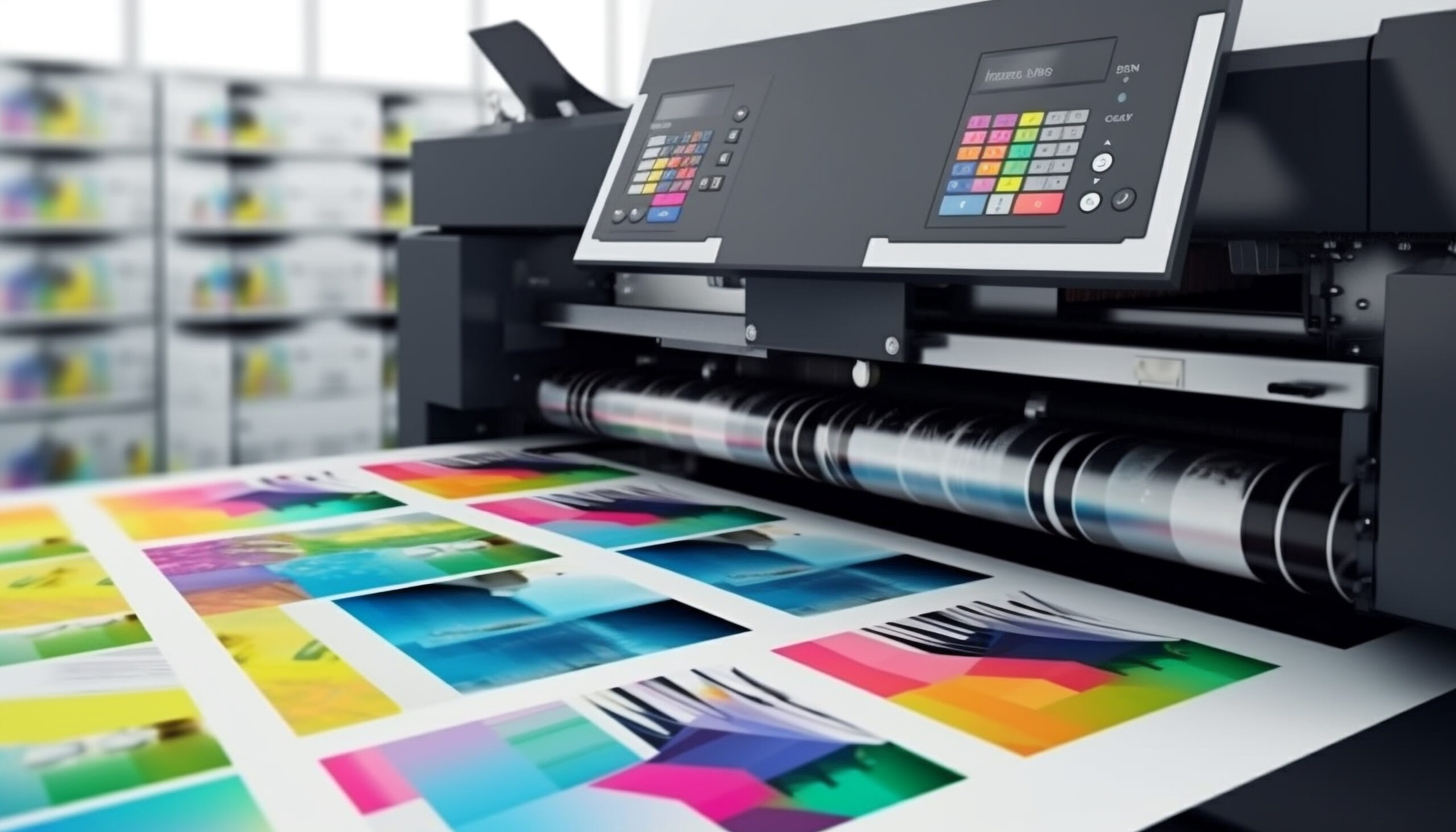
The printing business in Nigeria has quietly evolved from a traditional trade into a hybrid, tech-enabled service industry. What used to be dominated by bulky offset machines and large capital outlay is now being reshaped by digital printing, on-demand production, and social media-driven demand.
In cities like Ibadan, where schools, SMEs, religious organizations, and event culture intersect, printing is not just relevant, it is essential. But profitability in 2026 and beyond depends less on “owning machines” and more on smart positioning, cost control, and service speed.
This guide breaks down the real numbers, operational realities, risks, and emerging opportunities, based on current Nigerian market conditions.
Understanding the Business Model: Why Printing Still Works in Nigeria
Printing in Nigeria remains a demand-driven industry. Every sector needs it:
- Schools require notebooks, handouts, exam materials
- Churches and mosques print banners, flyers, programs
- SMEs need branding, packaging, and marketing materials
- Events drive demand for flex banners, souvenirs, and T-shirt printing
The shift, however, is toward short-run, fast-turnaround jobs, which favors digital printing over traditional offset.
A modern printing business is no longer just production. It is a mix of:
- Graphic design
- Customer service
- Logistics
- Marketing
Operators who understand this hybrid model outperform those who rely only on equipment.
Step-by-Step: Building a Printing Business That Actually Makes Money
Starting a printing press today is less about starting big and more about starting right.
Laying the Foundation with a Business Plan
A proper plan defines your niche. Without it, most operators fall into price wars.
You need clarity on:
- Target market (students, corporates, events, etc.)
- Core services (digital prints, large format, branding, T-shirts)
- Pricing strategy
- Startup and running costs
This is not just paperwork. It determines whether you survive your first year.
Equipment Strategy: Start Smart, Not Big
One of the biggest mistakes new entrants make is over-investing in machines they don’t fully understand.
Here is a realistic breakdown of 2025 pricing in Nigeria:
| Equipment Type | Estimated Cost (₦) | Use Case |
|---|---|---|
| Entry-level digital printer | 120,000 – 430,000 | Basic jobs, documents |
| Heavy-duty digital printer | 500,000 – 1.2M | Bulk small jobs |
| Production digital press | 1.5M – 4M | High-volume printing |
| Used offset machine | 3.2M – 12.5M | Large commercial jobs |
| Large-format printer | 3.5M – 12M | Banners, flex, signage |
| Screen printing setup | 80,000 – 200,000 | T-shirts, branding |
The smarter approach in 2025 is:
- Start with digital and screen printing
- Outsource offset jobs
- Scale gradually as demand grows
This reduces risk and preserves cash flow.
Location Strategy: Visibility vs Cost
Location still matters, but not in the old way.
In areas around institutions like the University of Ibadan, demand is consistent. However, many profitable operators now run hybrid setups:
- Small physical shop for walk-ins
- Strong online presence for orders
Rent in many Nigerian cities ranges between ₦5,000 and ₦30,000 monthly for small spaces, but visibility and accessibility matter more than size.
Legal Setup: Why It’s More Important Now
Registering with the Corporate Affairs Commission is no longer optional if you want serious clients.
Benefits include:
- Access to corporate contracts
- Trust and credibility
- Protection against disputes
You should also obtain:
- Tax Identification Number
- Local government permits
Real Cost Structure: What Actually Drains Your Money
Many guides underestimate operational costs. In reality, three things determine your survival:
Power
Nigeria’s unstable electricity supply makes backup power mandatory. Without it, production stops.
You will need:
- Generator or inverter
- Fuel or battery maintenance budget
Power is not a side cost. It is central to your business model.
Materials (Your Biggest Variable Cost)
Printing depends heavily on imported materials:
- Paper
- Ink and toner
- Vinyl
These are directly affected by exchange rates. When the naira fluctuates, your costs change instantly.
Maintenance and Downtime
Machines break down. When they do, you lose money daily.
Smart operators:
- Keep spare parts
- Build relationships with technicians
- Budget for maintenance monthly
Profit Reality: Margins and Earnings Potential
Printing margins in Nigeria can be strong when managed well.
A typical job scenario:
- Production cost: ₦20,000
- Selling price: ₦35,000
- Profit: ₦15,000
Scale this across multiple jobs daily, and monthly revenue grows quickly.
Well-run small printing businesses can generate:
- ₦300,000 to ₦800,000 monthly revenue
- Higher for those combining multiple services
But this depends heavily on customer flow and operational efficiency.
Risks and Scams: The Part Most People Ignore
The biggest risk is not competition. It is bad decisions.
Machine Purchase Mistakes
Buying cheap or incompatible machines often leads to:
- Frequent breakdowns
- Lack of spare parts
- Business downtime
Always consult a technician before buying.
Supplier Fraud
Fake vendors are increasingly common. Warning signs include:
- Requests for full upfront payment
- No verifiable business registration
- Suspiciously low prices
Always verify businesses through the Corporate Affairs Commission portal before payment.
Market Risks
Other real challenges include:
- Price undercutting by competitors
- Poor location
- Lack of marketing
- No clear niche
Most failed printing businesses suffer from poor planning, not lack of demand.
Marketing in 2025–2026: Where the Real Money Is Made
Today, visibility equals revenue.
Platforms That Actually Convert
- Instagram and TikTok drive visual engagement
- Facebook works for targeted ads
- WhatsApp Business closes most deals
In Nigeria, WhatsApp is often the final conversion channel.
What Works Now
- Posting real customer jobs, not stock images
- Short videos showing printing process
- Before-and-after transformations
- Geo-targeted ads like “printing in Ibadan”
Consistency matters more than perfection.
Emerging Opportunities: Where Smart Operators Are Going
The industry is shifting toward higher-margin niches:
Digital and On-Demand Printing
Customers want:
- Faster delivery
- Smaller quantities
- Customization
This is why digital printing is growing faster than offset.
Branding and Merchandise
High-demand areas include:
- T-shirt printing
- Event branding
- Corporate identity materials
These offer better margins than basic document printing.
Niche Strategy
Instead of doing everything, focus works better:
- School materials near campuses
- Event printing
- SME branding packages
Specialization improves pricing power.
When Is the Best Time to Start?
Timing matters in Nigeria’s seasonal economy.
Peak periods include:
- September to December (festive demand)
- January and September (school resumption)
The smartest strategy is to start early in the year, build operations, and scale into peak season.
Final Analysis: Is It Worth Starting in 2026?
The printing business is not passive. It requires daily involvement, technical understanding, and strong customer management.
However, it remains one of the most reliable service businesses in Nigeria because demand is constant and diverse.
Entrepreneurs who succeed in 2026 typically:
- Start small and scale gradually
- Focus on high-margin services
- Invest in marketing, not just machines
- Control costs aggressively