
Nigeria’s nightlife economy has quietly evolved into one of the most resilient segments of the country’s consumer market. Even under sustained pressure from inflation, FX volatility, and rising energy costs, urban demand for premium leisure experiences continues to expand. Nowhere is this more evident than in Lagos, where new lounges, rooftop bars, and hybrid food-and-drink venues are redefining what hospitality looks like in West Africa’s largest commercial hub.
Industry estimates indicate that Nigerians spent over ₦900 billion on nightlife and hospitality in 2025 alone. This is not just a reflection of spending power, but of cultural behavior. Social nightlife remains deeply embedded in urban living, particularly among young professionals and upwardly mobile consumers.
Understanding the Modern Lounge Concept in Nigeria
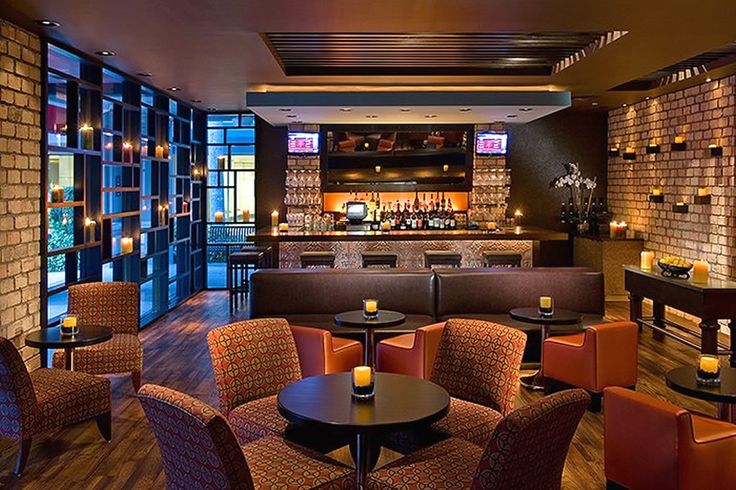
The traditional bar model has shifted. Today’s successful lounges are not simply places to drink; they are curated environments built around experience. In Lagos and similar urban centers, operators are leaning into themes such as rooftop ambiance, beachfront settings, premium mixology, and Afrobeat-driven nightlife culture.
Recent entrants like Kaly Rooftop Lounge and Lulu’s Beach Club illustrate this evolution. These venues blend aesthetics, music programming, and social media appeal into a cohesive brand experience. The modern lounge is, in essence, part hospitality, part entertainment, and part digital content engine.
Market Entry: From Concept to Launch
Launching a lounge in Nigeria begins with a feasibility assessment that goes beyond surface-level demand. Operators must evaluate foot traffic, competitor positioning, and spending patterns within their target demographic. In Lagos, location remains the single most decisive factor in success or failure.
Business registration is handled through the Corporate Affairs Commission, with most serious operators opting for a limited liability structure. While the process itself is relatively straightforward, it is only the first step in a long regulatory journey.
Securing a suitable property often represents the largest upfront financial commitment. Prime areas such as Victoria Island, Lekki, and Ikoyi command rents that can exceed ₦20 million annually for modest spaces. Poor location decisions are rarely recoverable, regardless of branding or marketing spend.
Once a site is secured, the focus shifts to fit-out. This includes interior design, bar installation, sound systems, lighting, ventilation, and backup power infrastructure. Given Nigeria’s unreliable electricity supply, generators are not optional but central to operations.
Licensing and Regulatory Reality
Operating a lounge without proper licensing is one of the fastest ways to lose capital in Nigeria. Enforcement has become more consistent, particularly in Lagos.
The licensing framework typically includes:
Core Regulatory Requirements
| License/Permit | Issuing Authority | Estimated Cost Range (₦) | Notes |
|---|---|---|---|
| Business Registration | Corporate Affairs Commission | 10,000 – 50,000 | Mandatory for legal operation |
| Liquor License | Local Government Authority | 250,000 – 500,000+ | Required specifically for alcohol sales |
| Food/Health Permit | LGA / State Health Dept. | ~50,000 | Applies if serving food |
| Music/Entertainment License | State Authority | 100,000 – 200,000 | Covers DJs and live performances |
| Signage Permit | State Agency | Varies | Required for outdoor branding |
The liquor licensing process can be particularly time-consuming. It often involves public notice publication and inspection procedures. Delays are common, and many operators engage legal professionals to manage compliance.
Cost Structure: The Real Numbers Behind the Business
One of the most persistent misconceptions about the lounge business in Nigeria is underestimating startup capital. In the current economic climate, even a modest operation requires substantial investment.
Startup Cost Overview (Small to Mid-Scale Lounge in Lagos)
| Expense Category | Estimated Range (₦) |
|---|---|
| Rent (1 year, prime area) | 20,000,000 – 50,000,000+ |
| Renovation & Fit-out | 10,000,000 – 50,000,000+ |
| Equipment (generator, chillers, POS) | 5,000,000 – 15,000,000 |
| Initial Inventory (drinks/stock) | 5,000,000 – 10,000,000+ |
| Licenses & Legal | 500,000 – 2,000,000 |
| Marketing & Launch | 1,000,000 – 5,000,000 |
| Working Capital (3–6 months) | 10,000,000+ |
Realistic minimum entry point: ₦50 million to ₦100 million for a viable, competitive setup.
Anything significantly below this threshold often results in undercapitalization, which is a leading cause of failure within the first year.
Operational Pressures: Where Most Businesses Struggle
Once operational, the lounge business becomes a daily exercise in cost management and operational discipline.
Electricity and fuel costs remain one of the most unpredictable expenses. Running generators for extended hours significantly erodes margins. Staff turnover is another persistent challenge, particularly among service personnel.
Inventory management is a critical vulnerability. Without strict controls, losses due to theft, wastage, or misreporting can quietly undermine profitability. Successful operators invest early in POS systems and stock tracking processes.
Security is equally non-negotiable. Both physical security and internal surveillance systems are necessary to protect assets and maintain customer trust.
What Actually Drives Profitability
Contrary to popular perception, profitability in the lounge business is rarely driven by alcohol sales alone. It is driven by repeat customers and consistent foot traffic.
High-performing lounges focus on experience design. Themed nights, curated music programming, and event partnerships are essential tools for maintaining engagement. Social media, particularly Instagram and TikTok, functions as the primary marketing engine.
Consistency is more valuable than hype. Many new lounges fail after an expensive launch because they cannot sustain customer interest beyond the opening phase.
Timing the Market: When to Launch
Seasonality plays a major role in revenue cycles. The final quarter of the year, particularly the December festive period, represents peak demand across Nigeria’s nightlife sector.
Launching between September and November allows new businesses to capture this surge. This period, often referred to as “Detty December,” can generate significant early cash flow if properly leveraged.
However, operators must also plan for slower periods in Q1 and mid-year months. Strategic promotions and event programming are essential to maintain revenue stability during these cycles.
Risk Assessment: A Balanced View
The lounge business in Nigeria offers strong revenue potential, but it is not forgiving. It is capital-intensive, operationally demanding, and highly sensitive to external economic conditions.
Key risks include:
- High fixed costs, particularly rent and energy
- Regulatory delays and compliance issues
- Staff management challenges
- Inventory leakage
- Market saturation in prime urban areas
At the same time, the upside remains compelling for disciplined operators. The combination of a young population, strong social culture, and evolving consumer preferences continues to support long-term demand.
Final Analysis
Starting a lounge in Nigeria in 2025–2026 is not a speculative venture. It is a structured business that requires capital depth, operational expertise, and a clear understanding of market dynamics.
The difference between success and failure is rarely luck. It is usually execution. Location, financial discipline, customer experience, and regulatory compliance form the foundation of sustainable operations.
For entrepreneurs willing to approach the business with realism rather than hype, the Nigerian nightlife sector still offers meaningful opportunities. But the margin for error has narrowed significantly.