Canadian Visa Application: Everything You Need to Know
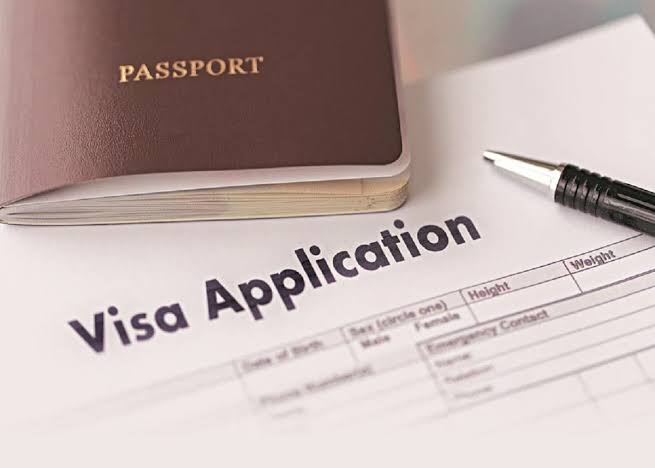
When you think about moving to Canada, whether it’s for study, work, or just exploring new opportunities, the first step is always understanding the visa process. Canada offers multiple visa types, each tailored for specific purposes, and navigating through them can be tricky if you don’t know exactly what to do.
The key is preparation, knowing your options, and making sure you meet all the requirements. This guide will take you through every step, from the types of visas available to the detailed application process and common issues to watch out for.
Types of Canadian Visas
Canada has a visa for almost every type of visitor, student, or worker. Knowing which visa fits your situation is crucial before you start any application. Here’s a breakdown of the main categories:
1. Student Visa (Study Permit)
If your goal is education in Canada, a student visa is your ticket. Officially called a study permit, this visa allows you to enroll in a full-time program at a Designated Learning Institution (DLI). DLIs include universities, colleges, vocational schools, and certain private institutions approved to host international students.
How to Apply for a Student Visa:
- Online Account Setup: Begin by creating an account on the Immigration, Refugees and Citizenship Canada (IRCC) portal.
- Application Form: Complete the online form with personal details, your educational background, and your intended course of study.
- Documents Submission: Provide your acceptance letter from a DLI, financial proof showing you can cover tuition and living expenses, medical exam results if required, and your passport.
- Pay Fees: Process the visa fees through the IRCC platform.
Processing times can vary depending on the institution and your country of origin, so it’s best to start early to avoid delays.
2. Work Permit
Many people confuse the term “work visa” with a Canadian work permit. A work permit legally allows you to work in Canada and can either be employer-specific (closed permit) or flexible (open permit).
Types of Work Permits:
- Open Work Permit: Lets you work for any employer in Canada without employer sponsorship, though eligibility is limited.
- Closed Work Permit: Tied to a specific employer and position, requiring a valid job offer. Most foreign workers use this route.
Make sure you check the requirements carefully for your type of work permit to avoid application rejection.
3. Investor and Entrepreneur Visa
Canada also allows foreign investors to contribute to its economy through programs like the Start-Up Visa. This program targets qualified entrepreneurs ready to launch businesses that can create jobs and stimulate economic growth.
Requirements for Start-Up Visa:
- A viable business plan with economic impact potential
- Investment of at least CAD 200,000 from designated venture capital or angel investor groups
- Language proficiency in English or French
- Proven management experience to run your business successfully
Once you secure investment, you submit your application through the IRCC portal, including all documentation and a business plan.
Key Requirements for Any Canadian Visa Application
Regardless of the visa type, there are fundamental requirements you must meet:
- Valid Passport: It must be valid for the duration of your stay.
- Health and Criminal Record: Must be clean; serious medical or criminal issues can result in denial.
- Ties to Home Country: Evidence of financial, professional, or family ties is necessary to assure authorities that you’ll return after your stay.
Documents Required by Visa Type
Different visas need different supporting documents, but the most common include:
- Correct application form
- Proof of visa fees payment
- Medical exam and clean criminal record (if required)
- Passport photographs meeting specifications
- Financial proof covering your stay
- Additional documents depending on your visa type (acceptance letters, job offer letters, business investment proofs)
Step-by-Step Application Process
Here’s a practical step-by-step approach that works for most visa types:
- Check Eligibility: Use official tools to confirm whether you meet the requirements for your intended visa type.
- Collect Documents: Gather your passport, travel history, bank statements, employment letters, and educational records if applicable.
- Apply Online: Create your IRCC account, upload all documents, and pay the required fees.
- Provide Biometrics and Medical: Book appointments for biometrics at a visa center and complete medical exams if necessary.
- Track Your Application: Follow up regularly on your IRCC account. Applications can be delayed if incomplete or missing documents.
- Visa Issuance: If approved, follow instructions to submit your passport for visa stamping.
- Prepare for Travel: Bring all documents submitted for your visa and any supporting materials to present at the border.
Common Challenges and Controversies
Canadian visa applications have seen changes and challenges recently:
- Automated Rejections: Some rejections are due to automated tools that process applications quickly but can miss context, affecting visitor, student, and work permits.
- Permit Expirations: Many temporary residents face risks of status expiration if they don’t track their timelines carefully.
- Program Pauses: Entrepreneur and business-related programs sometimes pause or reduce new applications, causing confusion for applicants.
- Employment Rules: Changes in work permit rules, including limits on open permits and employer-specific restrictions, can affect job opportunities.
Being aware of these challenges and preparing your documents carefully is essential for a smooth application.
Tips for Maximizing Your Visa Success
- Apply early and double-check every document before submission.
- Follow all official instructions from IRCC; don’t rely on third-party advice alone.
- Keep records of all submissions, receipts, and communication.
- Understand the specific requirements for your type of visa to avoid errors.
Conclusion
Applying for a Canadian visa can feel overwhelming at first, but with the right preparation and attention to detail, it becomes manageable. Whether you’re planning to study, work, or invest in Canada, knowing the visa categories, requirements, and processes is the key to success. This guide provides you a clear roadmap, helping you approach your application with confidence and a high chance of approval.