Tesla Smashes Delivery Expectations in Q2 2026 as European Sales Recovery Sparks Growth Optimism
Tesla has delivered one of its strongest quarterly performances in recent years, reporting record-breaking second-quarter vehicle deliveries that significantly exceeded Wall Street expectations and reignited hopes that the electric vehicle giant could return to annual growth in 2026.
The company delivered 480,126 vehicles during the April-to-June quarter, marking a 25% increase compared to the same period last year and comfortably surpassing analysts’ forecasts of approximately 402,000 vehicles.
The strong performance comes after two consecutive years of annual delivery declines and provides a major boost for investors as Tesla continues expanding its focus beyond electric vehicles into artificial intelligence, autonomous driving technology, robotics, and robotaxi services.
Europe Emerges as Tesla’s Strongest Growth Market
One of the biggest drivers behind Tesla’s impressive second-quarter performance was a significant recovery in European sales.
After facing challenges across Europe last year, Tesla benefited from several favorable market conditions, including rising fuel prices, government incentives for electric vehicle adoption, increased electrification among corporate fleets, and easing consumer concerns surrounding CEO Elon Musk’s political controversies.
Industry analysts say Europe has become the company’s most important growth market in 2026.
While Tesla’s European business rebounded strongly, analysts noted that the United States market remains under pressure, and growth in China has remained relatively modest despite strong competition among domestic manufacturers.
Tesla’s Affordable Models Continue to Drive Demand
Tesla’s strategy of introducing lower-cost versions of its popular Model 3 sedan and Model Y SUV appears to be paying off.
The company has aggressively promoted attractive financing options and incentives, helping many consumers prioritize affordability and product quality over external controversies surrounding the company’s leadership.
Analysts believe these pricing strategies have played a major role in helping Tesla regain momentum in several key markets.
U.S. Market Continues to Face Challenges
Despite the strong global delivery numbers, Tesla’s largest market, the United States, remains under pressure.
The removal of electric vehicle tax credits has continued to affect consumer demand, with some analysts estimating that Tesla’s U.S. sales declined by more than 10% during the second quarter.
However, industry experts remain cautiously optimistic that the company could still achieve moderate growth in the American market before the end of the year.
China Sales Strengthened by Refreshed Model Y
Tesla also recorded improved performance in China thanks to the launch of its refreshed Model Y lineup.
Although competition from domestic electric vehicle manufacturers remains intense, particularly from Chinese giant BYD and several emerging brands, Tesla’s updated vehicle offerings have helped stabilize its position in the world’s largest EV market.
The company also launched a six-seat version of the Model Y in the United States, following strong demand for the longer-wheelbase variant in China.
Tesla Reduced Inventory Despite Higher Production
Tesla produced 451,758 vehicles during the second quarter while delivering 480,126 units, meaning deliveries exceeded production by more than 28,000 vehicles.
This allowed the company to significantly reduce inventory levels that had accumulated earlier in the year, a development viewed positively by investors and market analysts.
Tesla Q2 2026 Performance Snapshot
| Metric | Q2 2026 |
|---|---|
| Vehicle Deliveries | 480,126 |
| Vehicle Production | 451,758 |
| Delivery Growth | +25% Year-over-Year |
| Inventory Reduction | Over 28,000 Vehicles |
| Analyst Forecast | 402,776 Deliveries |
Tesla Bets Big on Artificial Intelligence and Autonomous Technology
While vehicle manufacturing remains Tesla’s primary business, the company’s long-term strategy is increasingly centered around artificial intelligence and autonomous transportation.
Tesla expects to spend more than $25 billion on capital expenditures in 2026, nearly three times the amount invested last year. The massive spending plan will support expansion in several areas, including:
- Artificial intelligence infrastructure
- Battery manufacturing
- Optimus humanoid robots
- Cybercab production
- Autonomous driving technologies
Tesla has also continued expanding access to its Full Self-Driving (FSD) software in Europe, although availability remains limited in several countries.
Robotaxi Expansion and Cybercab Production Plans Accelerate
Following the launch of its limited robotaxi service in Austin earlier this year, Tesla plans to rapidly expand its autonomous ride-hailing operations throughout 2026.
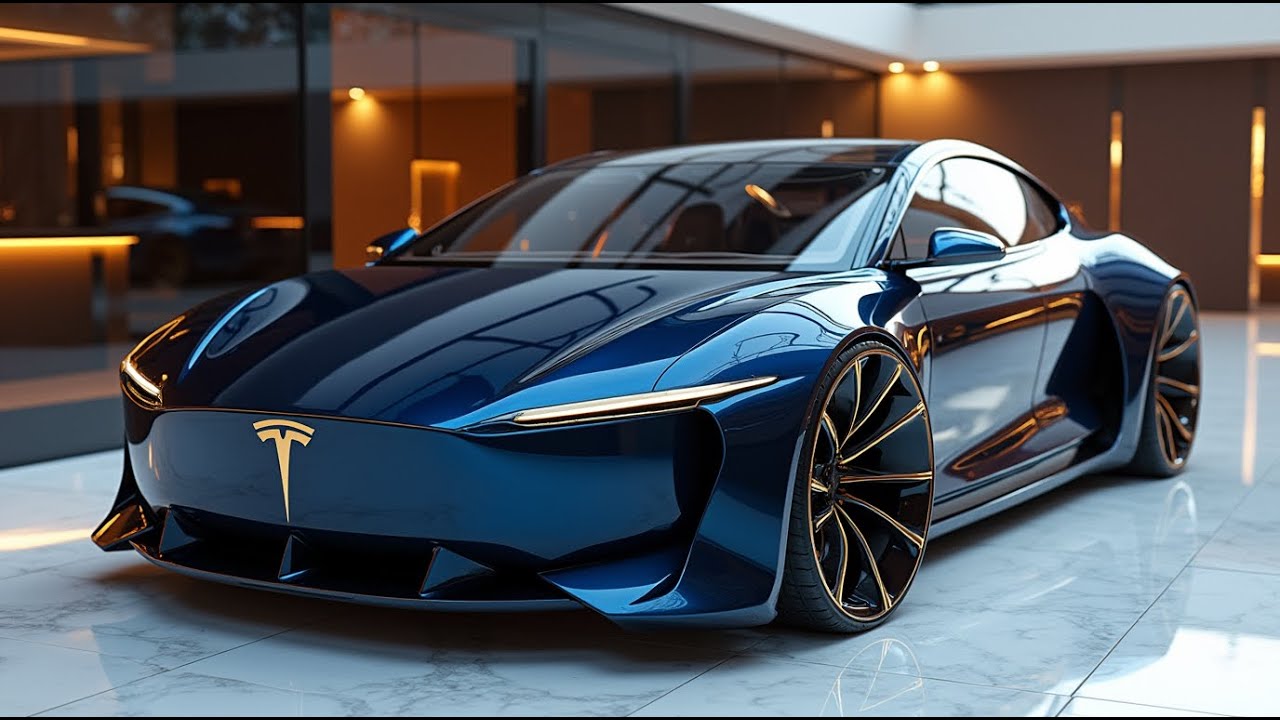
Meanwhile, production of the highly anticipated Cybercab, Tesla’s purpose-built autonomous vehicle that features no steering wheel or pedals, is expected to ramp up later this year.
Investors continue to closely monitor Tesla’s progress in autonomous driving, as many believe the company’s future valuation depends more on artificial intelligence and robotics than traditional automobile sales.
Investors Remain Optimistic but Cautious
Despite the record-breaking delivery results, Tesla shares fell approximately 7% during trading after investors had already priced in much of the positive news following a strong rally earlier in the week.
Market analysts believe investors remain enthusiastic about Tesla’s recovery but continue to wait for concrete evidence that the company can successfully execute its ambitious plans in artificial intelligence, robotaxis, and self-driving technology.
Tesla is scheduled to release its full second-quarter financial results on July 22, when investors will gain a clearer picture of the company’s profitability and long-term outlook.
Rivian Also Beats Expectations and Raises 2026 Delivery Forecast
In related electric vehicle industry news, Tesla rival Rivian also reported stronger-than-expected second-quarter delivery figures and raised its full-year delivery guidance.
The improved performance from Rivian suggests that demand for electric vehicles may be stabilizing after a challenging period marked by economic uncertainty, reduced incentives, and increased competition across global markets.