Digital Parks Africa Launches Effort in Nigeria’s Data Centre Market with Lagos NDC1
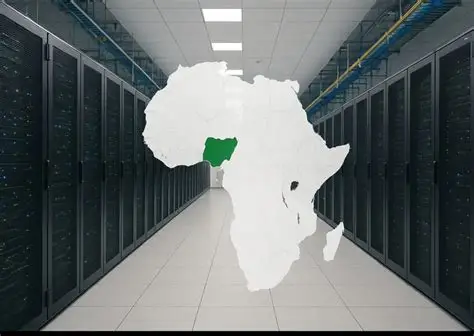
Digital Parks Africa has entered the Nigerian data-centre market, with plans for a new carrier-neutral facility in Lagos, Nigeria Data Centre 1, or NDC1.
The initiative was unveiled at an industry gathering in Kenya earlier this week, building on the group’s deeper roots in the country dating back more than two decades via related power and technology operations.
The company has positioned the facility as addressing the need for local hosting driven by cloud adoption, digital payments, artificial intelligence workloads and regulatory pressure for data residency.
Nigerian operators have seen demand for data-centre space grow as local businesses migrate operations to the cloud and need infrastructure that can support rising volumes of transactions and digital services without relying solely on overseas facilities.
This has come at a time where other players are also seeing an opportunity in Lagos, and are pursuing hyperscale and AI-ready designs.
Operators following the sector note that the Central Bank’s earlier directive to banks, fintechs and payment firms to keep transaction data on local servers has driven up interest in onshore capacity.
Digital Parks Africa has positioned the Lagos site as carrier-neutral, allowing multiple networks and cloud providers to interconnect at the site. The model may appeal to firms that want to avoid being reliant on a single network.
Construction timelines and power capacity are still subject to final engineering and permitting, but the arrival serves as confirmation of the region’s operators’ views that there is a commercial opportunity in meeting Nigeria’s needs.
Industry chat groups have already started circulating the announcement, alongside comparisons of existing and planned megawatt figures across the competing camps.
For Nigeria’s data-centre market, the arrival of another carrier-neutral facility represents an added challenge in the race for infrastructure, as the demand from cloud services, fintechs, AI and enterprise technology is likely to drive the rate at which new capacity comes online.