Huawei Launches Agentic AI Cloud in Nigeria for Local Enterprise Workloads
Huawei has opened its Agentic AI Cloud in Nigeria, positioning the technology to meet the demand for enterprise-grade local artificial intelligence.
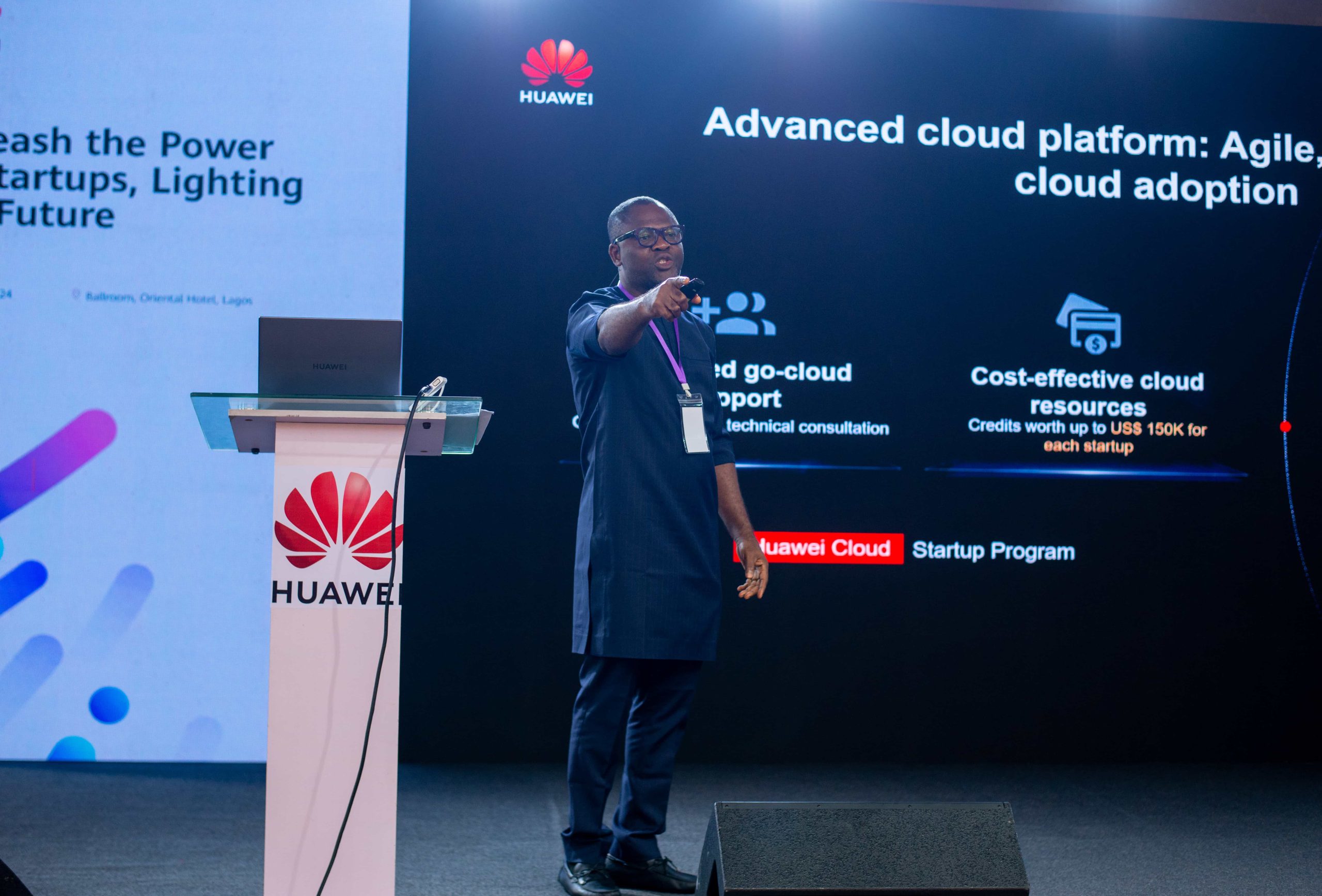
The vendor unveiled the solution at the Huawei Nigeria AI and Cloud Summit in Lagos, following the rollout of its hyperscale local cloud in Nigeria in 2024 and data-cloud services in 2025.
The company’s executives said the new offering was developed to address the data-security concerns, localisation challenges, latency issues and cost implications of deploying AI solutions in the jurisdiction, which are compounded by the need to integrate diverse foreign technology stacks.
The proposition is underpinned by a commitment to AI capability, data localisation and trust and security, with an ethical operations centre established in Nigeria.
Huawei highlighted its track record in the market, including a 27-year presence, a developer ecosystem of more than one million and the size of the digital-payments market.
Government officials at the summit, including those from the National Information Technology Development Agency (NITDA), suggested that serious AI transformation would require extensive underlying infrastructure.
“AI requires models, which require compute, which requires cloud and data-centre infrastructure, which requires power and connectivity, cyber security and data security, and finally people,” said one official. “This requires a thorough and deep transformation of the technology infrastructure.”
What the Local AI Infrastructure Means
Huawei’s local cloud is designed to contribute to that process by keeping data, inference and processing close to Nigerian users.
For banks, fintechs and large firms, the appeal is that they can deploy agentic systems — capable of executing various tasks with a degree of autonomy — without the security and sovereignty risks of relying on overseas infrastructure.
Initial conversations with technology executives have been focused on customer-service orchestration, internal processes and fraud processing.
Pricing and capacity details have not been disclosed, but the message from Huawei is that it intends to attract workloads that local firms are under pressure to host domestically.
These partnerships are likely to include channel and ecosystem enablers, as the vendor looks to build out its offerings.
The launch provides another alternative in a local market that is seeing increased demand for AI infrastructure capabilities, though supply is still catching up.
For Nigerian organisations, the competition among global technology groups to provide end-to-end solutions is likely to be beneficial, as it reduces the cost barriers to entry.
The presence of local processing, data storage and AI infrastructure will be critical to organisations looking to experiment with more sophisticated technologies.
The next steps will see how much take-up there is for the proposition, additional capacity, and whether pricing will be right for the wider market.