

IHVN Calls for More Local Funding as Nigeria Turns to AI to Tackle Health Challenges
The Institute of Human Virology Nigeria (IHVN) has called for increased domestic funding for health research, warning that Nigeria’s continued dependence on international support could weaken the country’s ability to respond effectively to emerging public health threats.
The institute also wants Nigeria to make responsible use of artificial intelligence (AI) and machine learning as researchers look for faster and more effective ways to tackle health challenges.
The call was made by Professor Alsh’le Abimiku, Executive Director of the IHVN International Research Centre of Excellence, ahead of the institute’s 4th Annual Scientific Symposium.
The symposium is scheduled to hold from August 31 to September 1 and will bring together researchers, policymakers, industry stakeholders and community representatives to discuss the future of public health research in Nigeria.
IHVN Wants Nigeria to Depend Less on Foreign Funding
Abimiku said Nigeria could no longer afford to rely heavily on external funding to sustain important health research and public health programmes.
She urged the government to create stronger and more reliable funding channels for researchers within the country, noting that prolonged funding shortages could affect Nigeria’s scientific capacity and its ability to develop home-grown solutions.
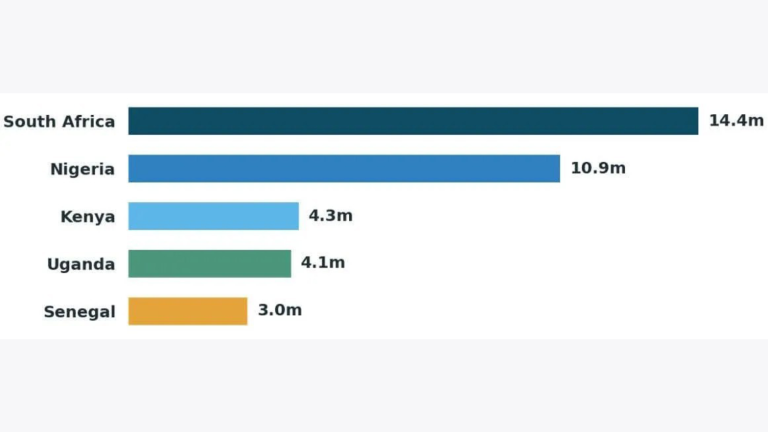
She pointed to South Africa as an example of how a country can respond to reductions in international support by increasing domestic funding and providing researchers with competitive grants.
According to her, Nigeria needs stronger cooperation between government, researchers and the private sector if the country wants to build a health research system capable of surviving changes in international funding.
AI Could Help Nigeria Respond Faster to Health Threats
The growing role of artificial intelligence in healthcare will also be a major focus of the upcoming symposium.
Under the theme, “Shaping the Future of Public Health Research through Sustainable Funding, Artificial Intelligence/Machine Learning (AI/ML) and Innovation,” participants are expected to examine how new technologies can improve research and public health services.
AI could help researchers analyse large volumes of health data more quickly, improve productivity and support governments in making better-informed decisions.
The technology could also contribute to practical solutions in areas such as disease surveillance, vaccine development, clinical trials and the management of public health programmes.
However, IHVN stressed that the technology must be used carefully.
Researchers Warned Against Allowing AI to Replace Human Thinking
While AI offers major opportunities for medical research, Abimiku said researchers must understand its limitations and ethical implications.
Among the concerns expected to be discussed are the protection of personal health information, responsible handling of sensitive data and the danger of relying too heavily on AI when conducting scientific research.
The institute maintained that AI should serve as a tool that supports researchers rather than replace critical thinking, experimentation and genuine scientific discovery.
Participants at the symposium are also expected to explore ways AI and machine learning can be applied to everyday healthcare challenges while ensuring that innovation benefits Nigerians.
Disease Outbreaks and Local Health Solutions in Focus
Discussions at the two-day meeting are expected to cover several areas that directly affect Nigeria’s health security, including infectious disease outbreaks, vaccine development, clinical trials, local manufacturing and the use of data science.
The push for stronger domestic investment comes at a time when changes in international funding for public health programmes are creating concerns about the long-term sustainability of health initiatives in developing countries.
For Nigeria, the message from IHVN is that building a stronger health research system will require more than depending on foreign support. Increased local investment, private-sector partnerships, innovation and responsible use of technology will all be important if the country is to become more self-reliant in dealing with public health emergencies.
With infectious diseases and other emerging health threats continuing to test healthcare systems around the world, the symposium is expected to provide an opportunity for Nigerian experts to discuss practical ways of improving the country’s preparedness and strengthening its contribution to global health research.




One Comment