
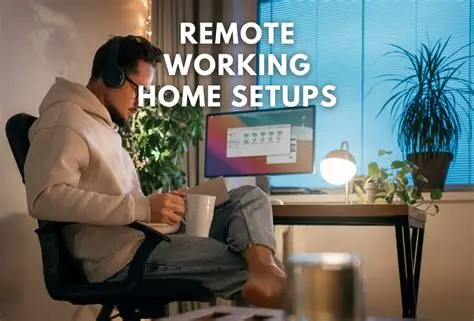
Practical Home Tech Setup for Reliable Remote Work in Nigeria
The right home technology setup remains critical for Nigerians to engage in remote tech and freelance work opportunities.
At a minimum, this involves a laptop with at least 8 GB of RAM and an SSD, a second monitor if available, and a stable internet connection with a backup data plan.
A small inverter or power bank provides emergency backup in the event of a blackout.
Noise reduction becomes essential for remote opportunities, particularly voice-based work. A USB microphone and a quiet space can reduce interruptions and resubmission requests from clients.
Tools That Make Remote Work Easier
Software applications typically involve a modern browser, video conferencing tools, collaboration software, and the applications relevant to the field of work, such as Figma or programming languages.
Organization within Google Drive or a system folder structure with clearly labelled files becomes a time saver for most remote workers.
Those with international clients particularly benefit from having a time zone converter bookmarked and working only during overlapping hours.
The technology setup does not need to be expensive but should be treated as a professional office rather than a casual workstation, with an emphasis on reducing distractions.
A used business laptop, Canva for graphic design, and a virtual dollar card for payments can form an acceptable foundation for many remote tech and freelance jobs.
Subsequent improvements to the system, such as a new monitor or noise-cancelling headphones, can offer good ROI for remote workers.
The main goal is not to build the most expensive workstation. A reliable setup that keeps power, internet, communication, files, and daily work under control can make remote work much easier to maintain consistently.