
Comsol Launches Wholesale 5G Home Broadband Network in South Africa
Comsol is expanding into the home broadband market with a wholesale 5G-Advanced network designed to serve internet service providers rather than sell directly to consumers.
The South African fixed wireless operator announced the move on August 20, 2026, after six months of network construction. The company says its 5G signal is already within reach of more than one million households across Gauteng.
Rather than becoming another retail broadband provider, Comsol will operate the infrastructure and sell network capacity to internet service providers (ISPs), mobile virtual network operators and other wireless providers.
The expansion comes alongside changes to the company’s shareholder structure, with Platform Investment Partners and Wimsey Capital joining as new shareholders following the departure of Nedbank Private Equity after nine years.
Comsol Will Power the Network While ISPs Handle Customers
Under Comsol’s wholesale model, the company will manage the 5G network from end to end while its partner providers remain responsible for the customer-facing side of the business.
ISPs will be able to use their own branding and determine their packages, billing and customer support, while relying on Comsol’s infrastructure for connectivity.
The company says its API-based platform could allow partners to launch branded broadband services within weeks.
The approach is similar to the open-access model that has become common in South Africa’s fibre industry. Network operators build and maintain the infrastructure, while different service providers use that infrastructure to sell their own broadband products.
For Comsol, applying that model to 5G could give smaller ISPs and wireless operators another way to access high-capacity broadband without having to depend entirely on the country’s major mobile network operators or build their own infrastructure.
5G Targets Areas Fibre Has Not Fully Reached
Comsol is targeting parts of the broadband market where fibre deployment remains difficult or expensive.
Around 15% of South African households are connected to fibre, with much of that coverage concentrated in densely populated metropolitan areas where the economics of laying fibre infrastructure are more favourable.
Fixed wireless access could provide an alternative in suburban and peri-urban communities, where deploying wireless infrastructure can be significantly faster than installing physical fibre networks.
The company says fixed wireless subscriptions increased by about 39% year on year in 2025. Industry projections also suggest that 5G could become a much larger part of the residential fixed wireless market in the coming years.
According to BMIT projections cited by Comsol, 5G could represent as much as 67% of residential fixed wireless connections by 2029, compared with about 35% in 2024.
Comsol Builds Around Dedicated 5G Spectrum
The company’s network is supported by licensed spectrum secured from South Africa’s communications regulator, ICASA.
Comsol received its C-band spectrum licence in 2022 and says it has the country’s largest contiguous allocation of 28 GHz spectrum, in addition to 60 MHz in the 3.7 GHz band.
The operator is also using a standalone 5G core as part of the network architecture. Comsol says its network is one of only two production 5G standalone cores currently operating in South Africa.
According to the company, the dedicated network design can provide around twice the uplink capacity of a typical mobile 5G network while offering more controlled capacity than hybrid 4G and 5G deployments.
Comsol CEO and founder Iain Stevenson said the company had invested in spectrum and 5G infrastructure before the technology’s commercial potential became widely recognised.
The operator has also been involved in 5G development for several years. In 2018, it worked with Samsung on a 5G network deployment in Soweto, making it one of the early companies involved in South Africa’s 5G rollout.
New Investment Supports Comsol’s Expansion
The broadband expansion is being backed by additional investment from existing and new shareholders.
Convergence Partners, which has been a long-term investor in Comsol, is providing additional growth capital alongside Solcon Capital. Stevenson is also increasing his investment through Mactavish Investments.
RMB arranged the financing package supporting the shareholder transaction and the company’s planned capital expenditure.
Convergence Partners executive chairman and Comsol board chairman Andile Ngcaba said the company’s spectrum holdings and network presence across South Africa position it to benefit as the market moves from 5G towards 6G.
2,000 Base Stations Planned Across South Africa
Comsol plans to complete 5G coverage across Gauteng by March 2027.
The Western Cape, KwaZulu-Natal and major regional centres are expected to follow during 2027 and 2028 as the network expands beyond Gauteng.
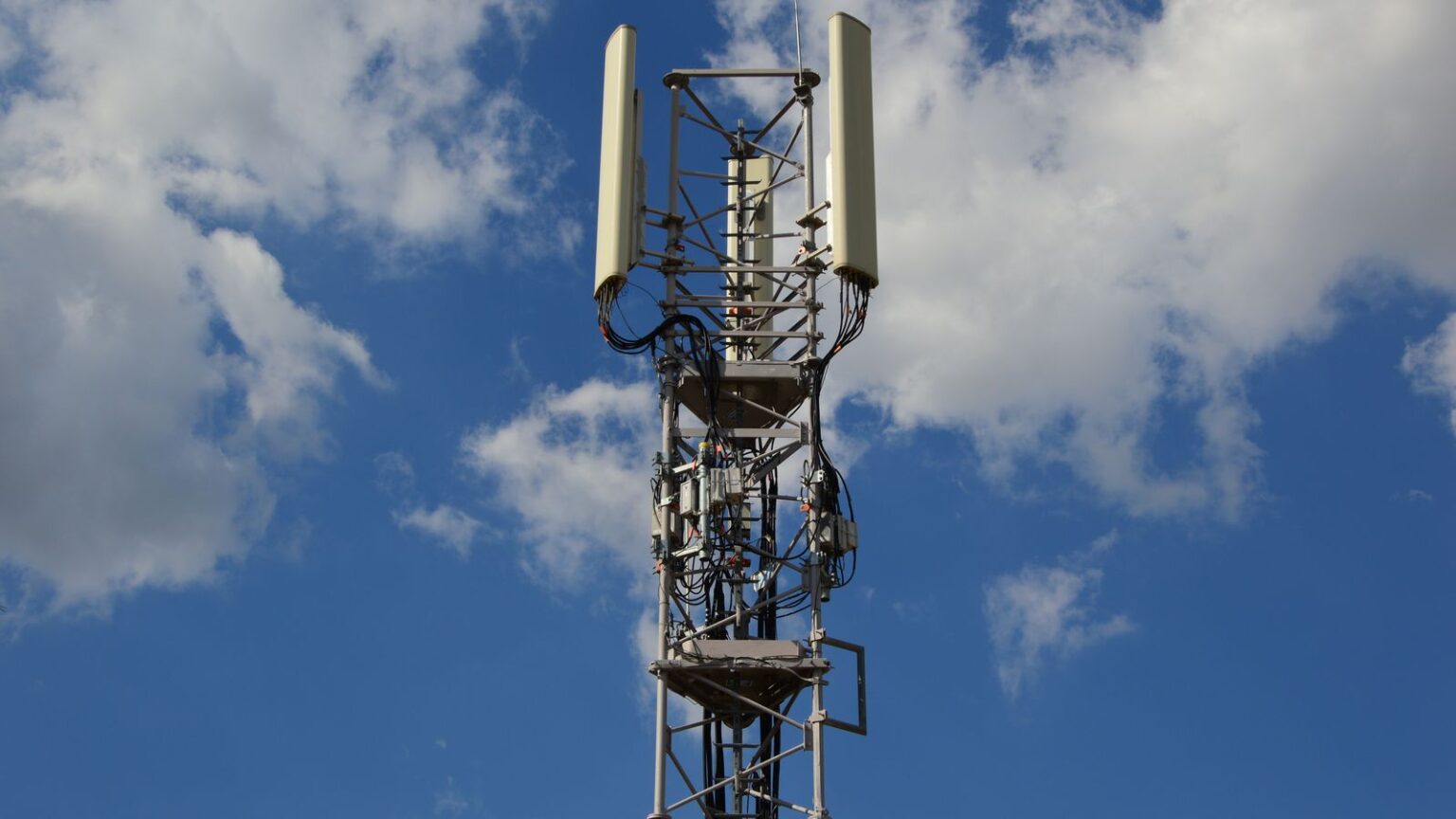
The company’s wider rollout plan calls for approximately 2,000 base stations across South Africa.
The strategy ultimately depends on whether enough ISPs and other broadband providers choose to lease Comsol’s infrastructure rather than spend their own money building competing networks.