Android Market Dominance in Southeast Asia (2026): Real Trends, Naira Pricing, and Practical Business Opportunities
If you study how both small and large businesses survive today, one thing stands out clearly: consistent access to funds and smart use of available tools. Success is not always about starting with huge capital, but about managing what you have and scaling gradually.
This same pattern is visible in the tech space. As internet access expands and smartphones become more affordable, mobile devices are now central to communication, entertainment, and business.
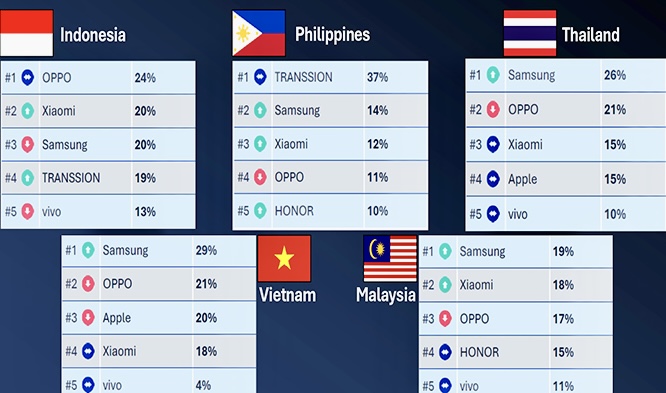
When you focus on Southeast Asia, one thing becomes obvious without overcomplication: Android smartphones dominate the market. Not because of hype or branding alone, but because they meet everyday needs. From affordability to flexibility, Android has quietly taken over the region.
Understanding Android’s Strong Hold in Southeast Asia
Across Southeast Asia, Android is not just popular, it is the dominant mobile operating system. The reason is simple and practical.
Most users in the region prioritize value over luxury. They want smartphones that can handle daily tasks like social media, communication, gaming, and small-scale business operations without being too expensive.
Android manufacturers understand this well. Instead of focusing only on premium devices, they produce smartphones across three key segments:
- Entry-level
- Mid-range
- Premium
This wide pricing structure allows users to choose based on their income level, without pressure.
Another major advantage is flexibility. Android supports a wide range of local apps, payment systems, and network optimizations across different price points. This adaptability keeps users engaged and loyal.
Top Southeast Asian Countries Where Android Leads
Some countries stand out due to population size, smartphone usage, and consumer behavior:
Indonesia
Indonesia leads the region with one of the largest smartphone user bases. Most users rely on affordable Android devices, making it a highly mobile-driven market.
Philippines
Android dominates strongly, especially in the entry-level and mid-range categories. Users prefer devices that offer a balance between price and performance.
Vietnam
While there is some demand for premium phones, the majority of users still depend on Android devices for everyday use.
Thailand
The market is balanced, but Android leads due to consumers prioritizing value and cost efficiency.
Malaysia
There is a visible presence of premium devices, but Android remains strong, especially among mid-range buyers.
Real Cost Breakdown of Android Phones in 2026
Understanding pricing helps you see why Android continues to grow:
- Entry-level phones: ₦130,000 – ₦240,000
Suitable for students, first-time users, and small business owners - Mid-range phones (most popular): ₦320,000 – ₦650,000
Better performance, improved cameras, and longer durability - Premium Android phones: ₦970,000 and above
High-end features, but less common among average users
Monthly Data Costs:
Typically range from ₦5,000 to ₦15,000 depending on usage and country.
Why Android Continues to Lead
Android’s success is not based on a single factor, but a combination of practical advantages:
- Affordability: Users can buy functional devices without long-term saving
- Battery Life: Many devices are optimized for extended daily use
- Customization: Users can adjust settings and apps to fit their needs
- Strong Competition: Multiple brands keep prices competitive while improving quality
Business Opportunities in This Market
This is where many people miss out—they see usage but ignore the opportunities behind it.
1. Phone Importation and Resale
You can start small by sourcing affordable Android devices and selling locally with profit margins.
2. Accessories Business
High-demand items include:
- Phone cases
- Chargers
- Earbuds
- Screen protectors
This market moves fast and requires lower startup capital.
3. Content Creation
Tech reviews, comparisons, and tips can attract large audiences when done consistently and honestly.
4. Affiliate Marketing
Promote smartphones or accessories and earn commissions. This builds steady income over time if done properly.
Practical Steps to Start and Grow
- Do proper research before investing
- Focus on one niche (devices, accessories, or content)
- Build trust early through honesty and consistency
- Reinvest profits gradually instead of rushing expansion
Key Trends to Watch
Android brands are continuously improving:
- Better battery optimization
- Enhanced camera quality
- Smoother performance on budget devices
At the same time, user expectations are rising. People now demand more value for their money. Any business strategy in this space must focus on real usefulness, not just promotion.
Frequently Asked Questions (FAQs)
Why is Android more popular in Southeast Asia?
Because it offers affordability, flexibility, and availability across multiple price ranges.
Can someone in Nigeria benefit from this trend?
Yes. Similar demand patterns exist locally, making it easier to apply the same business strategies.
Is starting a phone business expensive?
No. You can begin with accessories or a small number of devices and grow gradually.
What is the safest way to enter the market?
Start with research, choose a niche, and avoid large investments without understanding demand.
Conclusion
Android’s growth in Southeast Asia shows one clear reality: people choose solutions that fit their everyday needs. That is why the system continues to expand steadily without relying on hype.