Top Smartphone Brands in Africa (2025–2026): Market Leaders, and What’s Driving the Industry
In today’s African tech ecosystem, the smartphone market is no longer just about owning a device, it reflects lifestyle, income level, and access to digital opportunities. From online business owners to students and remote workers, smartphones have become essential tools for communication, learning, and income generation.
Across Africa, demand is increasingly focused on affordable but powerful smartphones. This shift is driven by price sensitivity, currency fluctuations in different countries, and the growing need for internet access in everyday life. As a result, manufacturers are rethinking not just pricing strategies, but also performance, battery life, and features that match real African usage patterns, such as dual SIM support, strong battery capacity, and cameras optimized for social media content creation.
At the same time, the market has become more competitive. Chinese manufacturers dominate the entry-level segment, while Samsung and Apple continue to hold strong positions in premium and aspirational markets. However, the largest share of users still comes from affordable Android smartphones.
Top Smartphone Brands in Africa (2025–2026 Overview)
1. Transsion Holdings (Tecno, Infinix, itel)
Transsion Holdings remains the undisputed leader in Africa’s smartphone market, controlling a significant share across multiple regions. Its success is not only based on affordability but also on deep understanding of local user needs.
Brands like Tecno, Infinix, and itel dominate the entry-level and budget segments, especially in countries such as Nigeria, Kenya, and Ghana. Their devices are designed around core user needs like long battery life, dual SIM support, and cameras optimized for diverse skin tones, features that align strongly with African consumer behavior.
The biggest advantage of Transsion is accessibility. Many of its devices fall within low-income affordability ranges, making smartphone ownership possible for millions of first-time users across the continent.
2. Samsung
Samsung ranks as one of the strongest global brands in Africa, with a major presence in both premium and mid-range segments. It performs especially well in countries like South Africa, while also maintaining strong sales in urban markets across Nigeria, Egypt, and Kenya.
The Galaxy A-series has been a key driver of Samsung’s success in Africa due to its balance of performance, durability, and software reliability. Compared to many budget competitors, Samsung also benefits from stronger retail distribution networks and better after-sales support, which is a major trust factor in many African markets.
3. Xiaomi
Xiaomi has experienced rapid growth across Africa due to its aggressive pricing strategy and high specifications. It has become a major competitor in both the budget and mid-range categories.
The brand is especially popular among young users, gamers, and content creators who want strong performance without paying premium prices. Xiaomi’s value-for-money positioning has allowed it to steadily gain market share in countries like Nigeria and Egypt.
Overall, Xiaomi continues to close the gap with Samsung in several urban markets.
4. Apple
Apple maintains a strong but niche position in Africa. It is not a mass-market brand due to its high pricing, but it remains highly aspirational.
iPhones are most common in South Africa and major cities across Nigeria, Kenya, and Egypt, typically used by business professionals, influencers, and high-income users. The growing used and refurbished phone market has also made Apple devices more accessible than brand-new pricing would suggest.
Apple’s main strengths include brand prestige, ecosystem integration, and long-term software support.
5. Huawei, HONOR, OPPO, and Others
Brands like Huawei, HONOR, and OPPO continue to compete strongly in the mid-range and upper mid-range segments.
Despite global challenges, Huawei still maintains presence in select African markets. HONOR is expanding quickly in North and Southern Africa, while OPPO is steadily growing in East Africa through strong retail partnerships.
These brands compete mainly on camera quality, fast-charging technology, and sleek design, targeting users who want more than entry-level devices but cannot afford premium flagship phones.
Key Drivers of Smartphone Growth in Africa
Several factors continue to fuel smartphone adoption across the continent:
- Rising internet penetration and social media usage
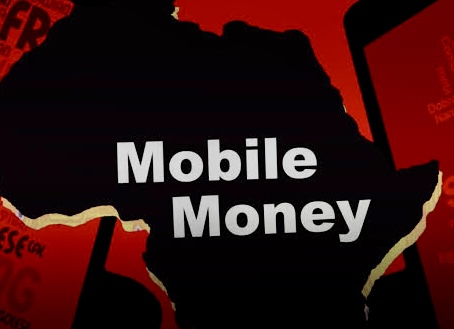
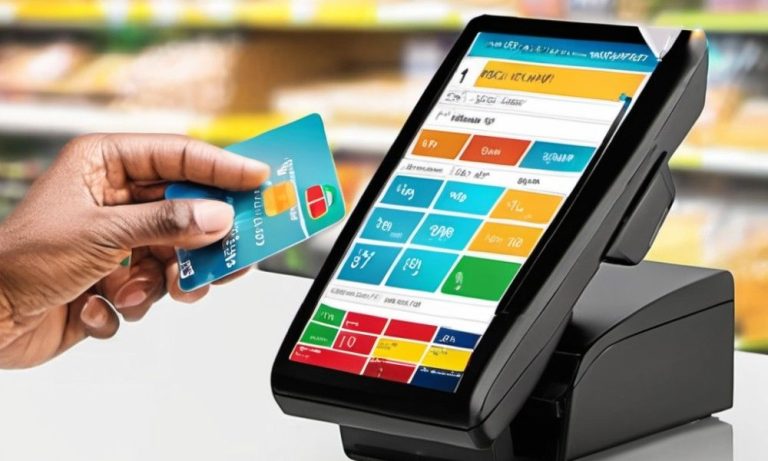
- Growth of mobile money and digital banking systems
- Expansion of online businesses and content creation
- Availability of installment payment and financing options
- Increasing demand for affordable 4G and emerging 5G devices
Together, these factors have transformed smartphones from communication tools into income-generating devices for many Africans.
Pricing Reality in the African Smartphone Market
Pricing varies widely depending on country, import duties, and currency value.
- Entry-level phones (itel, Tecno): typically $100–$200
- Mid-range devices (Samsung A-series, Xiaomi): around $150–$400
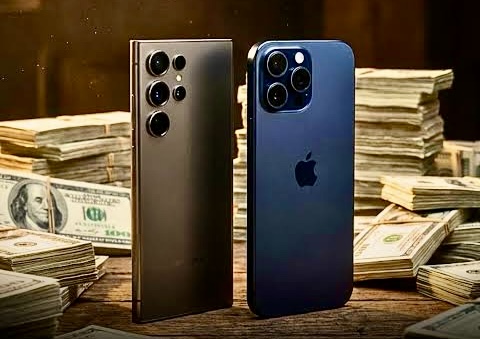
- Premium devices (Apple, flagship Samsung): $600 and above
The refurbished and used phone market also plays a major role in making high-end devices more accessible.
Key Challenges in the Market
Despite strong growth, the industry still faces several challenges:
- Currency instability affecting device pricing
- High import taxes and customs duties
- Limited access to official repair centers in rural areas
- Intense competition leading to rapid product turnover
These challenges continue to shape how brands design, price, and distribute smartphones across Africa.
Conclusion
The African smartphone market in 2025–2026 is clearly driven by affordability, with Transsion leading in volume while Samsung and Xiaomi compete strongly in value and performance. Apple remains a premium status symbol, while other brands continue to expand their presence in the mid-range segment.