Highest Literacy Rate Countries in West Africa (2025–2026 Update)
Across West Africa, education continues to play a major role in shaping how societies grow, compete, and adapt to a rapidly changing world. Literacy today goes beyond just reading and writing; it reflects a country’s capacity for innovation, employment, economic stability, and long-term development.
While some countries in the region have made strong progress through consistent investment in education, others still face challenges such as limited access, underfunding, and weak infrastructure.
At the same time, the digital space, especially in countries like Nigeria, is creating a new form of influence. Young people are now building visibility through content creation, storytelling, and social engagement. This combination of traditional education progress and modern digital influence shows how West Africa is evolving in two interconnected ways.
Highest Literacy Rate Countries in West Africa
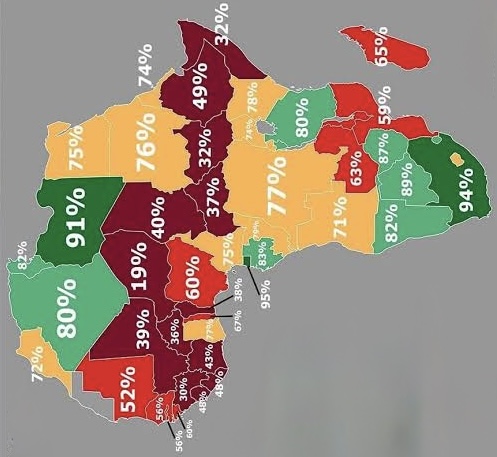
Literacy rates in West Africa are generally measured among adults aged 15 and above who can read and write simple statements in everyday life. While exact figures may vary depending on the source, the overall ranking remains fairly consistent.
Cabo Verde (Cape Verde)
Cabo Verde remains the most literate country in West Africa, with literacy rates estimated between 88% and 91%. This success is largely due to long-term investment in education, strong school attendance systems, and accessible learning opportunities even in remote areas. Youth literacy is especially high, showing continuous improvement in newer generations.
Côte d’Ivoire
Côte d’Ivoire has made significant progress in recent years, with literacy levels estimated between 85% and 90%. Education reforms, post-crisis rebuilding efforts, and expanded access to schooling have contributed greatly to this growth. It is now considered one of the fastest-improving education systems in the region.
Ghana
Ghana remains one of the most stable education performers in West Africa, with literacy rates estimated between 76% and 80%. Policies such as free secondary education and continuous teacher training have helped maintain steady progress. Ghana is also known for its structured education system and strong tertiary institutions.
Nigeria
Nigeria, Africa’s most populous country, has a literacy rate estimated between 62% and 72%, depending on data sources. While the country has the highest number of literate individuals in West Africa, challenges such as unequal access to education, regional disparities, and funding limitations continue to affect overall performance.
Senegal, Mali, Niger, Burkina Faso, and Guinea
These countries generally record literacy rates below 60%, with some areas even lower due to rural access challenges and economic conditions. Factors such as poverty, limited infrastructure, and security issues continue to slow educational development in these regions.
What is Driving Literacy Growth in West Africa
One of the strongest drivers of literacy improvement is increased government investment in free or subsidized education. Countries that prioritize early childhood education and reduce barriers to school enrollment tend to see better long-term results.
Other key factors include:
- Improved teacher training
- Better school infrastructure
- Availability of modern learning materials
- International support from education-focused organizations
- Increased awareness among parents about the importance of education
Together, these factors are helping shape a stronger educational foundation across the region.
The Rise of Digital Influence: Asherkine and Modern “Humble” Content Creation
While formal education continues to shape national development, a different form of influence has emerged in Nigeria’s digital space.
One example often discussed online is Asherkine, a content creator known for lifestyle storytelling, social experiments, and acts of generosity shared through short-form videos.
His content often features surprise interactions with everyday people, where he offers gifts, financial support, or memorable experiences that are later shared online. This approach has helped him gain massive attention across social media platforms.
Source of Income and Brand Influence
Like many digital creators, income is largely generated through:
- Brand sponsorships
- Paid collaborations
- High social media engagement
- Content monetization across platforms
Top influencers in this space can earn significant amounts depending on reach, audience size, and engagement levels. In today’s creator economy, visibility itself is a powerful form of currency.
Public Debate and Perception
As with many influencers who create philanthropic-style content, public opinion is divided. Some people see it as genuine support and inspiration, while others believe it is partly driven by engagement growth and content strategy.
This debate is common in the digital creator economy, where attention and virality often shape success. Regardless of perspective, such influencers have clearly changed how social influence works in the modern era.
Connecting Literacy Growth and Digital Influence
At first glance, literacy rates and social media influence may seem unrelated, but both reflect how societies are evolving.
Countries with higher literacy rates tend to have more digitally aware and active populations. At the same time, influencers are shaping how young people think about success, opportunity, and personal development.
In West Africa, this connection is becoming stronger as:
- Education access improves
- Internet penetration increases
- More youth engage with online platforms
Today, learning happens not only in classrooms but also through digital platforms that influence career paths, financial awareness, and lifestyle decisions.
Frequently Asked Questions
Which country has the highest literacy rate in West Africa?
Cabo Verde consistently ranks highest, with literacy rates above 88%, supported by strong education policies and long-term investment.
Why is Nigeria’s literacy rate lower despite its population?
Nigeria faces challenges such as unequal education access, regional disparities, and infrastructure gaps that affect overall literacy levels.
What is the importance of literacy in West Africa?
Literacy improves employment opportunities, economic growth, and access to information, making it essential for national development.
Are social media influencers affecting education awareness?
Yes, many influencers indirectly promote education, financial literacy, and career awareness among young audiences.
Is West Africa improving in education?
Yes, countries like Ghana, Côte d’Ivoire, and Cabo Verde show steady improvement due to reforms and increased investment in education.
Conclusion
West Africa presents a mixed but steadily improving literacy landscape. Countries like Cabo Verde, Ghana, and Côte d’Ivoire continue to lead due to strong education systems and consistent policy support, while others are still working to overcome long-standing challenges.
At the same time, the rise of digital influencers reflects a new layer of communication and learning among young people. Both formal education and digital platforms are now shaping how the next generation understands opportunity, success, and growth.