Top Startup Ecosystems in East Asia (2025–2026): Rankings, and Funding Insights
A lot of successful businesses don’t just grow by luck, they grow because there is steady support behind them, especially access to funding, mentorship, and structured loan or investment systems that keep the business moving even when cash flow is tight. While many startups struggle to survive at the early stage, the ones that understand how to plug into the right financial ecosystem.
In recent years, technology has completely reshaped how finance works. Most banking and investment systems are now fully digital, and startup ecosystems across the world have become more connected than ever. In East Asia especially, countries like Singapore, China, South Korea, and Japan have built strong startup environments where funding, innovation, and government support are tightly linked.
At the same time, artificial intelligence and digital infrastructure are now deeply integrated into startup growth systems, from automated funding decisions to AI-powered incubation programs. This has made it easier for startups to access capital, but also more competitive and strict when it comes to execution and repayment expectations.
Overview of East Asia Startup Ecosystems (2025–2026)
East Asia remains one of the strongest startup regions in the world, even with global funding fluctuations. The region is driven by deep technology, government-backed innovation programs, and strong manufacturing and digital infrastructure.
The major ecosystems shaping global startup growth include:
Singapore
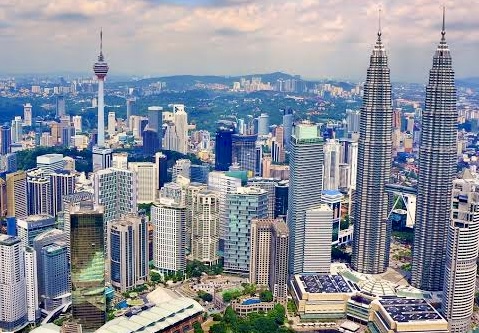
Singapore continues to rank among the top startup hubs globally. It is widely known for its business-friendly environment, ease of company registration, and strong access to international investors.
What makes Singapore stand out:
- Strong fintech and AI ecosystem
- High access to global venture capital
- Government-backed startup grants
- Strategic link between Asia, Africa, and Europe
However, the cost of running a startup there is high, especially for office space and talent.
Beijing (China)
Beijing remains a heavyweight in global innovation. It is deeply focused on artificial intelligence, research, and large-scale tech infrastructure.
Key strengths:
- Massive government-backed funding programs
- Strong AI and deep tech development
- Large-scale startup scaling opportunities
The downside is strict regulations and complex market entry requirements for foreign founders.
Seoul (South Korea)
Seoul has grown rapidly in recent years due to strong government startup policies and investment in gaming, semiconductors, and AI.
Why Seoul is growing:
- Government programs like TIPS supporting startups
- Strong tech talent pool
- Global gaming and entertainment innovation
It is highly competitive, but very rewarding for tech-focused startups.
Tokyo (Japan)
Tokyo is known for engineering excellence and deep innovation in robotics, manufacturing, and industrial technology.
Strengths include:
- Strong intellectual property systems
- Massive government startup investment programs
- High-quality engineering talent
The ecosystem is slower compared to others, but extremely stable and structured.
Shenzhen & Shanghai (China)
These cities are major hubs for hardware, electronics, and manufacturing startups.
What stands out:
- Fast prototyping and production cycles
- Strong supply chain ecosystem
- Massive scale opportunities for tech hardware founders
How to Start a Business in East Asia (Practical Guide)
Starting a business in East Asia is possible for foreign founders, but it requires proper planning and realistic expectations.
1. Market Understanding First
Before anything else, identify a clear niche. Many successful foreign founders focus on:
- Fintech solutions connecting Africa and Asia
- E-commerce logistics and trade systems
- AI-powered business tools
- Supply chain and manufacturing tech
2. Legal Setup and Entry Route
Each country has its own system:
- Singapore: EntrePass for entrepreneurs
- Japan: Startup visa programs
- South Korea: Startup visa and incubation support
- China: Foreign business registration or joint ventures
Hiring a local consultant or legal advisor is almost always necessary.
3. Funding Strategy
Most startups in East Asia follow a staged funding path:
- Personal savings or bootstrapping
- Local grants or startup competitions
- Accelerator programs
- Venture capital scaling
Early-stage funding is competitive, so traction matters more than ideas.
4. Cost Reality (Converted Perspective)
Startup costs vary heavily:
- Singapore: Very expensive for rent and operations
- Japan & Korea: Moderate to high but structured support exists
- China: Cheaper for manufacturing and production scaling
For Nigerian founders, exchange rate planning is important because foreign currency volatility affects long-term runway.
Funding Trends and Startup Deals (2025–2026)
Funding in East Asia is becoming more concentrated around high-impact sectors.
Hot sectors attracting capital:
- Artificial intelligence (AI)
- Fintech and digital banking
- Robotics and automation
- Semiconductor and hardware innovation
Some of the largest funding rounds in recent times have gone into AI companies and fintech platforms, especially in Singapore and China.
Accelerators and support programs also play a big role:
- Government startup grants in Singapore
- Korea’s TIPS program
- Japan’s large-scale innovation funds
- Private accelerators like Antler and East Ventures
These programs often help startups move from idea stage to funded product stage faster.
Business Opportunities for Nigerian Founders (Naira Perspective)
For Nigerian entrepreneurs, East Asia presents strong opportunities, especially in trade and tech bridging.
Some realistic opportunities include:
- Cross-border fintech solutions between Africa and Asia
- Import/export tech platforms
- AI tools for African market adaptation
- Manufacturing partnerships with Chinese or Korean firms
Startup entry costs can range from small MVP testing budgets to larger expansion capital once traction is proven. Many founders start remotely before relocating.
The key advantage is not just funding—it is access to global manufacturing, advanced tech infrastructure, and strong investor networks.
Risks, Challenges, and Real Talk
Even though East Asia is attractive, it is not without challenges.
Common issues include:
- Strict regulations, especially in China
- High competition in Seoul and Tokyo
- Cultural and language barriers
- Burnout risk in highly competitive startup environments
- Funding concentration in already successful startups
There is also increasing pressure on startups to show early profitability rather than just growth, especially after global funding slowdowns in recent years.
Conclusion
East Asia remains one of the most powerful startup regions in the world for 2025–2026, driven by a mix of government support, private investment, and deep technological innovation.
Singapore leads in accessibility and global connectivity, China dominates in scale and manufacturing power, South Korea excels in innovation speed, and Japan remains unmatched in engineering depth and stability.
For founders, especially from emerging markets like Nigeria, the real opportunity is not just in raising money but in positioning strategically—building solutions that connect markets, solve real problems, and align with global tech trends.
Success in these ecosystems is not instant, but for those who understand the structure and move with patience and strategy, the opportunities are significant and long-term.