Android vs iOS in West Africa 2025/2026: The Real Digital Economy, Income Gap, and Fintech Power Shift Explained
In West Africa today, the digital space is no longer just about using smartphones for social media or entertainment. It has quietly turned into a full economy where your phone choice, your apps, and your internet habits can influence how you earn, save, and even how you access opportunities.
Across countries like Nigeria, Ghana, Senegal, Benin, and Togo, the reality is very clear: most people are operating within an Android-first ecosystem. This is not just a trend, it is the backbone of how digital finance, communication, and job opportunities are being accessed daily.
At the same time, the internet has reshaped how banks, fintech platforms, and micro digital services operate. Everything is now connected through mobile systems, and artificial intelligence is gradually being introduced to improve how financial apps serve users, especially in areas like savings, loans, and digital investments.
Android vs iOS Reality in West Africa
The smartphone ecosystem in West Africa is heavily dominated by Android devices, and this shapes everything from app development to digital marketing strategies.
Current market estimates show that Android controls around 85% to 90% of smartphone usage in the region, while iOS holds roughly 10% to 14%, mainly concentrated among higher-income users in major cities like Lagos, Accra, and Abidjan.
This difference is not just about preference, it is deeply tied to affordability, accessibility, and device availability. Android phones, especially mid-range models, remain the most practical choice for the average user.
For businesses, this reality matters. Any app, digital service, or fintech product targeting West Africa must be designed primarily for Android first. Ignoring this usually means losing access to the largest user base.
Digital Jobs and Real Income Landscape
One of the biggest shifts in West Africa is the rise of digital employment linked to mobile technology and internet services.
In countries like Nigeria and Senegal, tech-related roles such as Android development, data engineering, and fintech support are slowly growing, but the income structure remains uneven depending on skill level and location.
For example, in Senegal, an IT or Android developer earns an average of about 3,600,000 XOF per year, which translates to roughly 500 USD monthly in entry-level positions. Senior developers can earn slightly higher depending on experience and company structure.
In Nigeria, the situation is more dynamic. Entry-level tech salaries can start from modest figures, while specialized roles like machine learning or fintech engineering can reach significantly higher monthly earnings, especially in Lagos-based startups and remote contracts.
However, what stands out most is not just salary, but opportunity access. Many digital workers are combining freelance work, app-based tasks, and fintech savings platforms to create multiple income streams rather than relying on one job.
Fintech Growth and the Digital Money System
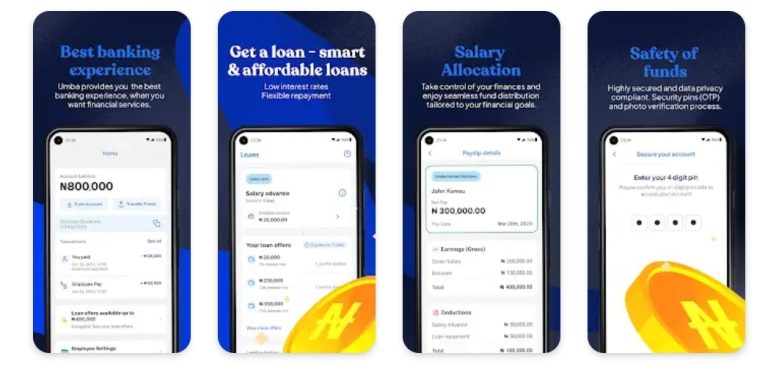
One of the strongest drivers of the West African digital economy is fintech. Mobile-based financial platforms have become central to how people save money, access credit, and manage daily expenses.
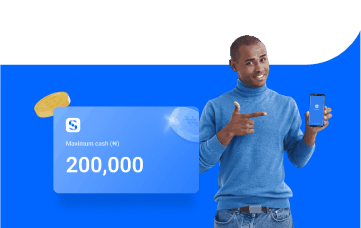
Apps like savings platforms and microfinance systems are now widely used because they offer flexibility that traditional banking systems often lack. Users can save small amounts daily, access loans faster, and even connect savings to digital services like streaming subscriptions or mobile rewards.
A major trend in this space is the integration of savings behavior into lifestyle apps. Some platforms have reportedly processed billions in user savings, showing how deeply digital finance has entered everyday life.
This shift is important because it shows that smartphones are no longer just communication tools. They are becoming personal financial hubs.
Hidden Risks and Digital Controversies
While the digital economy is expanding, there are also growing concerns around regulation, privacy, and online expression.
In some West African countries, digital activity is increasingly monitored under laws related to misinformation and online conduct. There have been cases where individuals faced legal consequences for content shared on social media platforms.
This creates a complex environment where smartphone usage is not only about convenience but also awareness. What users post, share, or manage digitally can sometimes carry legal or social consequences depending on the region.
This reality adds a serious layer to the conversation around Android vs iOS usage, because both platforms are now deeply tied to communication freedom and digital responsibility.
Opportunities in the Android-Driven Economy
Despite challenges, the Android ecosystem in West Africa continues to open strong opportunities for individuals and businesses.
Most fintech apps, streaming platforms, and digital tools are optimized for Android users because of its dominance in the region. This creates room for developers, marketers, and entrepreneurs to build services that target mass adoption.
Some of the strongest opportunities include:
Digital savings platforms integrated with mobile apps
Freelance tech jobs focused on Android development
Agritech tools supporting farming operations through mobile systems
Content creation optimized for mobile-first audiences
Low-data digital services targeting budget users
Another growing opportunity is in digital education and remote services. Many users are now learning coding, trading, and mobile business strategies directly through their phones without needing traditional classrooms.
How the Digital Economy Is Changing Everyday Life
The shift to mobile-first living is also changing family structures, communication patterns, and financial behavior.
Parents are now more involved in monitoring children’s phone usage due to rising screen time and online exposure. At the same time, mobile tracking and safety apps are becoming common tools for families.
Financial behavior has also changed. Airtime, mobile data, and digital wallets are now part of daily budgeting. Many households prioritize mobile connectivity as a basic necessity, similar to electricity or water.
Even social events like weddings are becoming more digital, with payments and contributions being handled through mobile banking systems rather than physical cash exchanges.
Conclusion
The reality of Android vs iOS in West Africa goes far beyond smartphone preference. It reflects a deeper economic structure where affordability, accessibility, and digital finance determine how people interact with technology.
With Android dominating the market, most opportunities in fintech, digital jobs, and online services are built around it. At the same time, the rise of mobile banking, savings apps, and remote work platforms is reshaping how income is generated and managed across the region.
However, alongside these opportunities comes responsibility. Digital users now operate in an environment where online activity, financial decisions, and platform usage can have both economic and legal implications.
Between 2025 and 2026, the West African digital economy is not just growing, it is becoming a full ecosystem where smartphones are central to survival, income, and opportunity access.