Anduril Industries and the US Navy: $250 Million Autonomous Systems Contract
Anduril Industries has reportedly secured a $250 million production contract to supply autonomous systems to the US Navy, including the Dive-LD underwater vehicle.
Founded in 2017 by Palmer Luckey, the creator of Oculus, alongside a team of defence and technology professionals, Anduril Industries develops autonomous systems, artificial intelligence software and advanced defence hardware. The company focuses on technologies designed to improve military operations through automation, real-time data processing and connected systems.
The reported contract reflects the growing interest in autonomous military equipment, particularly systems that can operate in challenging environments with limited direct human control.
What Is the Dive-LD Underwater Vehicle?
The Dive-LD is an autonomous underwater vehicle designed for extended missions. Its capabilities include underwater surveillance, seabed mapping and other maritime operations that may require a vehicle to remain submerged for long periods.
Autonomous underwater vehicles can help naval forces collect information from areas that are difficult or dangerous for crewed vessels to access. They can also support maritime monitoring and provide additional operational flexibility.
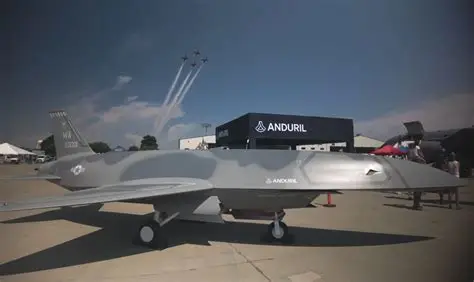
The contract has also been associated with advanced autonomous air vehicles and interceptors. These are distinct types of defence systems, covering different operational requirements across air and maritime environments.
Anduril Industries Contract Details
| Item | Detail |
|---|---|
| Company | Anduril Industries |
| Customer | US Navy |
| Reported contract value | $250 million |
| Key product | Dive-LD autonomous underwater vehicle |
| Software platform | Lattice |
| Main technology | Autonomous systems and AI-driven defence equipment |
How Anduril’s Lattice Software Works
Anduril’s Lattice platform is designed to combine information from different sensors and connected systems. It can help operators monitor activity, track objects and share information across multiple operational environments.
The platform supports the integration of data from air, land and sea systems. By processing information and presenting it to operators, the software is intended to help military personnel make decisions more quickly.
Autonomous systems can also use connected software to coordinate tasks and respond to changing conditions. These capabilities are increasingly relevant to modern defence operations, where forces must process large amounts of information across multiple platforms.
Why the Contract Matters
Production contracts can represent an important step in the adoption of autonomous defence technology. Moving from trials to larger-scale manufacturing allows military organisations to introduce more unmanned systems into their operations.
For the US Navy, autonomous underwater vehicles can support surveillance, seabed mapping and maritime awareness without requiring personnel to remain aboard every platform.
The reported agreement also reflects a wider shift towards defence systems that combine hardware, software and artificial intelligence. As military organisations continue to invest in automation, companies developing connected autonomous platforms are likely to remain important participants in the defence technology sector.