Nigeria Positions Itself for Bigger Role as Africa’s 5G Market Heads Toward 380 Million Connections
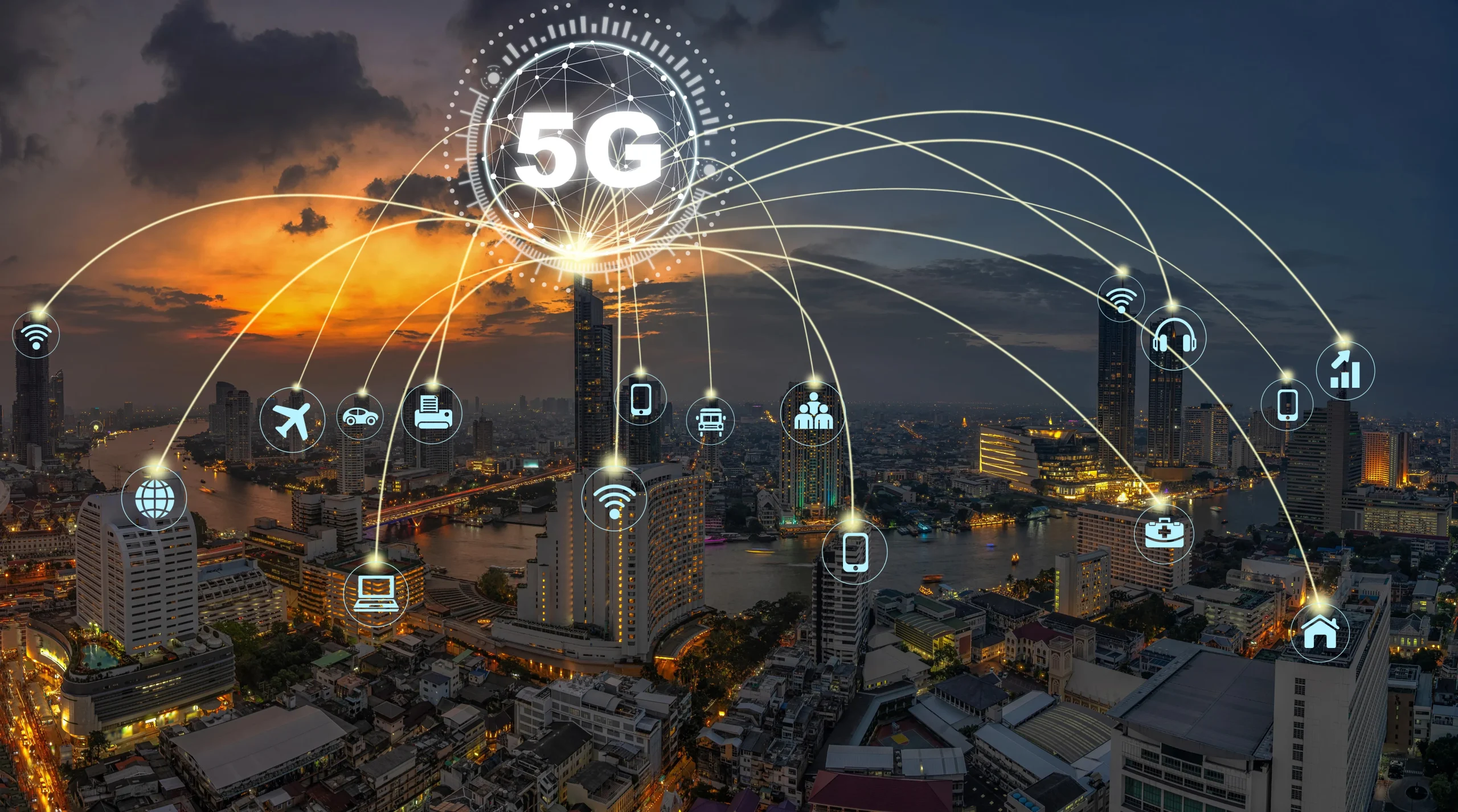
Nigeria is positioning itself for a bigger role in Africa’s fast-developing 5G market as adoption across the continent gathers pace, with 5G connections projected to rise beyond 380 million by 2030.
The latest GSMA Intelligence outlook shows that Africa’s 5G journey is accelerating, although adoption remains well behind more advanced markets. The research says the continent is approaching a critical stage where operators and governments will need to move beyond network launches and focus more heavily on affordability, coverage and commercially viable services.
Globally, 5G has already become a mainstream mobile technology, with hundreds of networks operating across markets worldwide. By the end of 2026, global 5G connections are expected to reach about 3.4 billion, representing roughly 37 per cent of all mobile connections.
Africa, meanwhile, is expected to record fewer than 100 million 5G connections by the end of this year, equivalent to around 6.2 per cent of the continent’s mobile connections. That figure is projected to climb to more than 380 million by 2030, pushing 5G’s share above 20 per cent.
Nigeria Bets on More Spectrum and Enterprise 5G
Nigeria stands out in the African market because of its growing focus on spectrum availability and enterprise applications.
The country has assigned spectrum in the 2600MHz, 3500MHz and 3700MHz bands, while plans for additional 26GHz mmWave spectrum could open the door to more specialised 5G deployments.
Unlike the mid-band frequencies generally favoured for broader coverage, high-band 5G can deliver extremely high capacity over shorter distances. That makes it particularly useful for factories, industrial facilities, business districts, private networks and other concentrated environments.
Nigeria’s approach therefore goes beyond simply connecting smartphones. The wider ambition is to use 5G as part of the country’s digital infrastructure, particularly in industries where faster speeds, low latency and reliable connectivity can directly improve operations.
Oil and gas, mining, logistics and other enterprise-heavy sectors are among the areas where 5G could have a stronger commercial impact.
5G Adoption in Nigeria Still Has Plenty of Ground to Cover
Despite its spectrum ambitions, Nigeria is not yet among Africa’s fastest-growing 5G markets.
The GSMA outlook projects that 5G will account for about 15 per cent of Nigeria’s mobile connections by the end of 2026. That remains considerably below projected adoption levels in markets such as Morocco and Mauritius.
Coverage is also uneven, with major urban centres such as Lagos and Abuja receiving much of the attention while many communities outside the biggest cities continue to depend heavily on older network technologies.
That gap could become one of the biggest tests for Nigeria’s 5G ambitions.
Expanding 5G into less densely populated areas is expensive, particularly when operators are already dealing with high infrastructure, energy and equipment costs. The business case becomes even harder when consumers in those areas cannot afford 5G-enabled devices or premium data packages.
Fixed Wireless Access Could Change the 5G Business Model
One of the most promising opportunities for African operators is fixed wireless access, or FWA.
Instead of using 5G primarily for smartphones, FWA allows operators to deliver broadband internet to homes and businesses through wireless connections. It can provide an alternative to traditional fixed-line infrastructure, particularly in places where laying fibre is expensive or difficult.
Around 40 African networks are already offering FWA services, according to the GSMA outlook. Connections are expected to increase from fewer than one million currently to about 3.5 million by 2030.
The economics are also becoming more attractive.
Customer-premises equipment prices have fallen sharply compared with previous years, making 5G routers more accessible to operators and consumers. Network providers can further reduce the upfront cost by subsidising devices and combining them with broadband subscriptions.
For Nigeria, FWA could become particularly important as demand for reliable home and business internet continues to rise.
Cheaper 5G Phones Remain Critical for Mass Adoption
The biggest obstacle to widespread 5G adoption may not be network technology at all. It is affordability.
Entry-level 5G smartphones remain relatively expensive for a large portion of African consumers. In Nigeria, where household budgets are already under pressure, the cost of upgrading from a 4G device can make 5G inaccessible even where network coverage is available.
That creates a difficult cycle for operators.
Consumers need affordable devices before they can adopt 5G, while operators need a growing customer base using the technology before they can fully justify continued investment in expanding networks.
Financing options, device subsidies, lower taxes and more affordable smartphones could therefore play a major role in determining how quickly Nigeria moves from 5G availability to mass adoption.
Nigeria’s Next 5G Push Will Depend on Infrastructure
Nigeria’s challenge now is to turn its spectrum advantage into meaningful nationwide connectivity.
The country’s 2026–2030 spectrum roadmap is expected to support further development of advanced mobile services, including additional mid-band and high-band spectrum. The broader policy direction also places greater emphasis on expanding high-capacity connectivity beyond major urban areas.
But spectrum alone will not deliver the expected transformation.
Operators will need more fibre infrastructure, reliable power, additional network sites and efficient spectrum use. Infrastructure sharing could also help reduce the cost of deployment, particularly in areas where multiple operators would otherwise need to build overlapping infrastructure.
The ability to refarm existing spectrum and improve the efficiency of current networks will become increasingly important as data demand continues to rise.
Africa’s 5G Opportunity Is Bigger Than Faster Phone Internet
The next phase of Africa’s 5G rollout is likely to be defined by what operators can build on top of the networks.
The GSMA Intelligence assessment argues that operators need to improve the commercial case for 5G by expanding into fixed wireless access and enterprise services rather than relying solely on consumer smartphone subscriptions.
That could include private networks for businesses, industrial automation, connected equipment, logistics systems and other applications where low latency and high-capacity connectivity can generate measurable economic value.
For Nigeria, this presents an opportunity to make 5G part of its broader digital economy strategy rather than treating it simply as the next generation of mobile internet.
The Race Is Now About Making 5G Useful and Affordable
Africa’s 5G market is clearly moving forward, but the next four years will be decisive.
The continent is expected to move from fewer than 100 million 5G connections in 2026 to more than 380 million by 2030. The scale of that growth will depend on whether governments can make spectrum and infrastructure easier to deploy, while operators find profitable ways to expand coverage and consumers gain access to affordable 5G devices.
Nigeria has several advantages, particularly its large mobile market, growing digital economy and increasingly strategic approach to spectrum. Its focus on enterprise connectivity and future high-band deployments could also give it a stronger role in Africa’s next phase of 5G development.
But turning that potential into reality will require more than ambitious spectrum plans. Wider coverage, cheaper devices, stronger infrastructure and services that deliver real value to consumers and businesses will ultimately determine whether Nigeria becomes a 5G leader or simply another market where the technology remains concentrated in a handful of major cities.