Rockwell Automation and Ford: EV Assembly Line Automation Pact
Rockwell Automation has reportedly become the primary automation provider for Ford’s next-generation electric vehicle plants.
Rockwell Automation is a US industrial controls company headquartered in Milwaukee, Wisconsin. Its Logix control platforms are used in manufacturing facilities to coordinate machinery, monitor production processes and improve factory operations.
Ford Motor Company, founded in 1903, is investing in electric vehicle production as the automotive industry moves towards electrification. Modern EV factories require connected automation systems that can support high production volumes while allowing manufacturers to adapt to changing vehicle designs.
The reported arrangement would bring Rockwell’s automation technology into several important parts of Ford’s electric vehicle manufacturing operations.
What the Automation Pact Covers
The reported agreement includes Logix control platforms and smart motor control systems designed to connect different types of factory equipment.
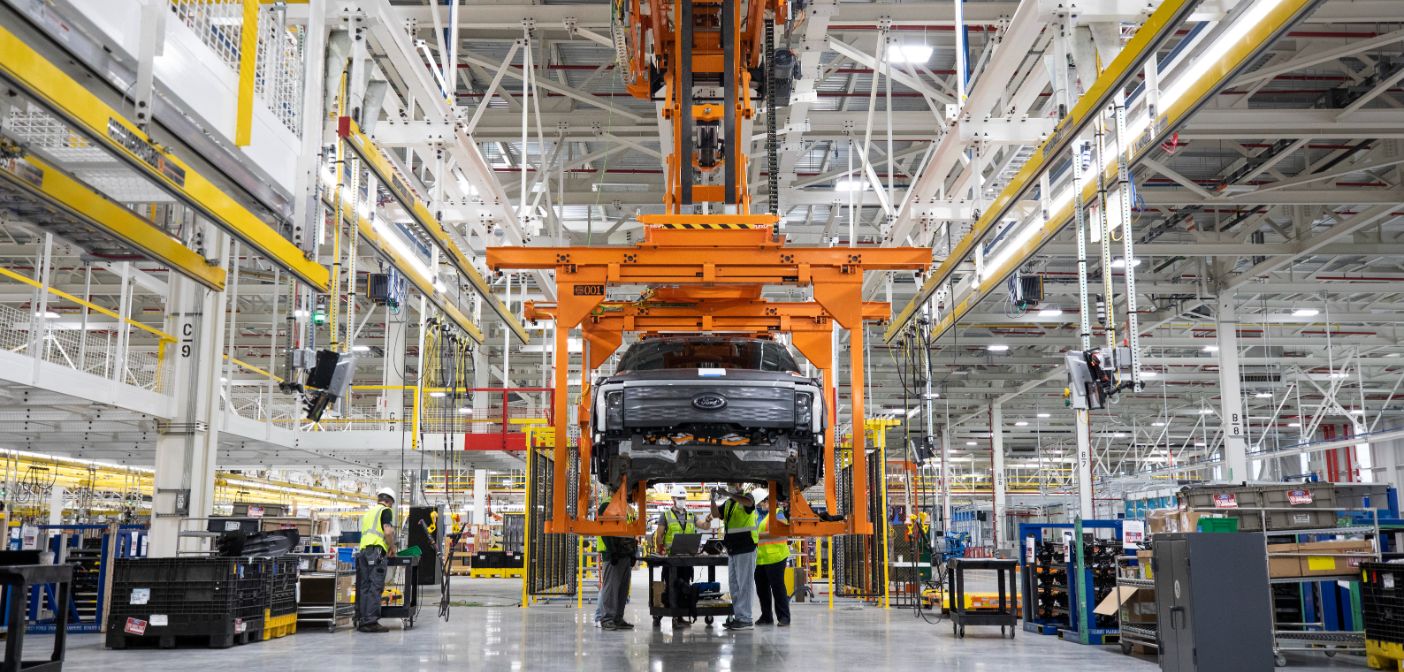
These systems would link robotic welding cells, overhead conveyors and automated guided vehicles into a connected manufacturing network. Bringing equipment together through an integrated control system allows production managers to monitor operations and identify bottlenecks more efficiently.
Robotic welding cells perform repetitive joining tasks with precision, while conveyors move components between production stages. Automated guided vehicles transport materials around manufacturing facilities with reduced reliance on manual movement.
When these systems communicate effectively, manufacturers can coordinate production activities and respond more quickly to operational problems.
Rockwell Automation and Ford Contract Details
| Item | Detail |
|---|---|
| Automation provider | Rockwell Automation |
| Customer | Ford Motor Company |
| Control platform | Logix controllers |
| Additional technology | Smart motor control systems |
| Manufacturing applications | Robotic welding cells, overhead conveyors and automated guided vehicles |
| Main objective | Connected and efficient EV production |
Why Connected Automation Matters for EV Plants
Electric vehicle manufacturing involves several specialised processes, including body assembly, welding, battery installation and final vehicle assembly. Coordinating these processes is important because delays at one stage can affect the entire production line.
Integrated automation systems can give factory operators a clearer view of production performance. Real-time monitoring can help identify equipment problems, material shortages and production bottlenecks before they cause extended interruptions.
Flexibility is another important factor. Automakers regularly update vehicle designs and introduce new models, requiring factories to adjust equipment and production processes. A connected control system can make it easier to coordinate these changes.
Cybersecurity in Automated Manufacturing
As factories become more connected, cybersecurity becomes an increasingly important part of industrial automation. Manufacturing networks may contain sensitive operational information and control equipment responsible for essential production activities.
Security measures must therefore be considered when designing and connecting industrial systems. Protecting factory networks helps reduce the risk of unauthorised access and disruptions to manufacturing operations.
What the Reported Agreement Means for Ford
The reported pact reflects the growing importance of industrial automation in electric vehicle production. Manufacturers must balance production speed, quality, safety and operating costs while preparing for changes in vehicle technology.
Rockwell Automation’s control platforms could help coordinate equipment across Ford’s next-generation EV plants, improving visibility into manufacturing performance.
For the automotive industry, the broader trend is towards factories that use connected machinery, real-time information and flexible automation. These capabilities can help manufacturers respond to changing demand while improving the efficiency of electric vehicle production.