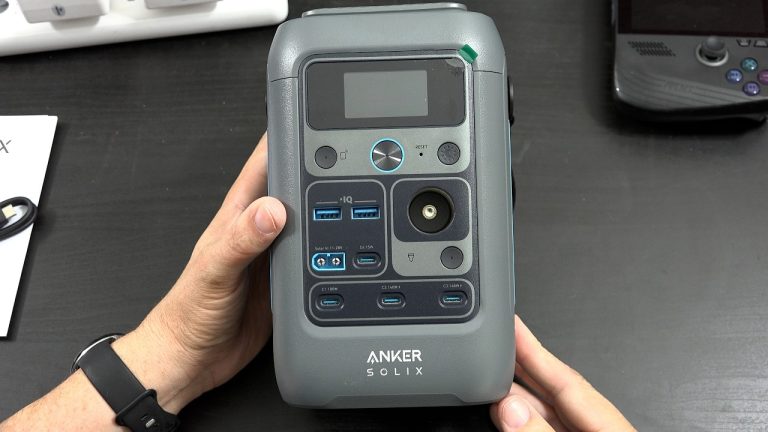
Anker SOLIX C1000 (Gen 1 & Gen 2) Review
In a world increasingly shaped by energy instability, rising fuel costs, and the push toward renewable power, portable solar generators have moved from niche gadgets to essential infrastructure. Whether it’s a homeowner dealing with frequent outages, a small business owner seeking reliability, or an off-grid enthusiast, devices like the Anker SOLIX C1000 are redefining how electricity is generated, stored, and used.
This review takes a data-driven, real-world approach to evaluating the Anker SOLIX C1000 and its newer Gen 2 model, placing them within the broader solar ecosystem, covering panels, inverters, batteries.
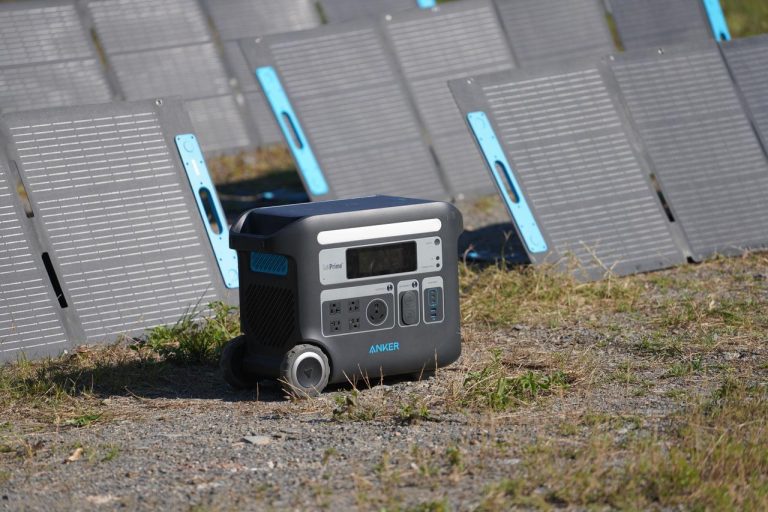
Overview: What the Anker SOLIX C1000 Really Is
The Anker SOLIX C1000 is a mid-capacity portable power station built on LiFePO4 (lithium iron phosphate) battery chemistry, designed for durability, safety, and long-term use. It functions as an all-in-one solar generator system, integrating:
- Battery storage
- Pure sine wave inverter
- MPPT solar charge controller
- Smart energy management (via app)
This eliminates the need for complex installations typical of traditional solar systems.
The Gen 1 (1056Wh) and Gen 2 (1024Wh) models share similar capacity but diverge in performance, speed, and portability.
Battery Technology (LiFePO4 Advantage)
Both models use LiFePO4 cells, now the gold standard in energy storage.
| Feature | C1000 (Gen 1) | C1000 Gen 2 |
|---|---|---|
| Capacity | 1056Wh | 1024Wh |
| Cycle Life | 3,000 cycles (≈10 years) | 4,000 cycles (≈10 years) |
| Chemistry | LiFePO4 | InfiniPower LiFePO4 |
| Safety | High thermal stability | Enhanced BMS + safety controls |
Why it matters:
Compared to older lithium-ion (NMC), LiFePO4 offers:
- Better thermal stability (less fire risk)
- Longer lifespan
- More consistent performance in high temperatures (critical for Africa)
Inverter Performance
| Feature | Gen 1 | Gen 2 |
|---|---|---|
| Continuous Output | 1800W | 2000W |
| Surge Power | 2400W | 3000W |
| Waveform | Pure sine wave | Pure sine wave |
This means both units can safely power sensitive electronics like:
- Refrigerators
- Medical devices (CPAP)
- TVs, laptops
- Small appliances
The Gen 2’s higher surge capacity makes it better suited for motor-driven loads.
Charging Speed (A Key Differentiator)
Anker’s biggest competitive advantage is ultra-fast charging.
- Gen 1: 0–80% in 43 minutes
- Gen 2: Full charge in ~49 minutes (HyperFlash tech)
- Solar Input: Up to 600W MPPT (≈1.8 hours full recharge under ideal sun)
Compared to competitors:
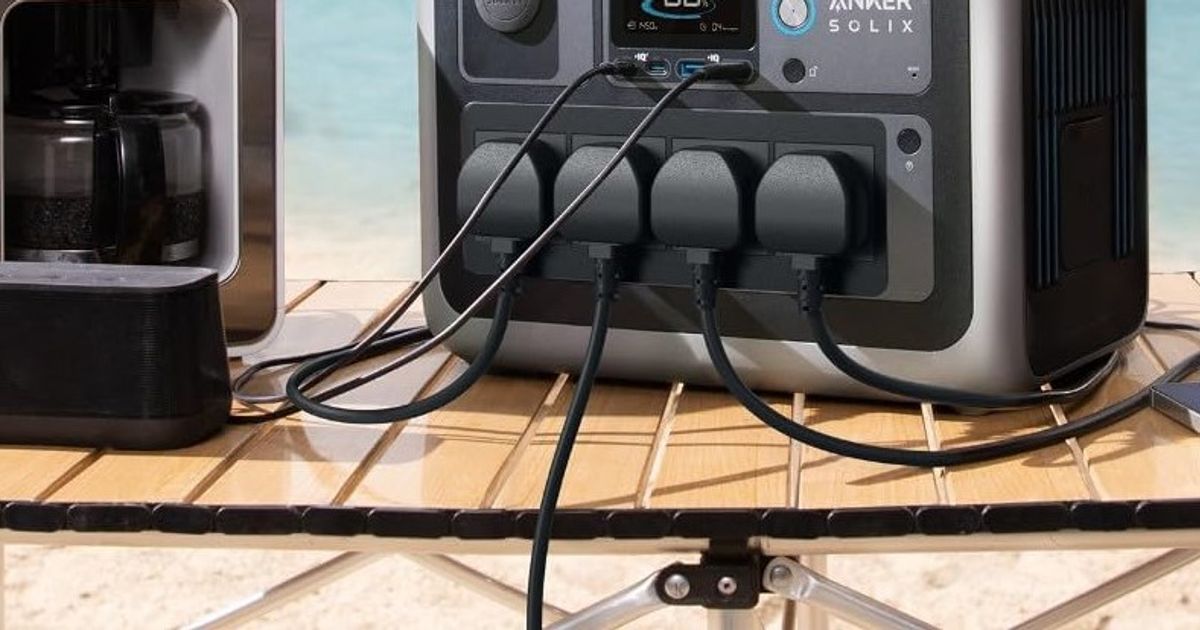
Ports and Connectivity
- 10–11 output ports
- USB-C up to 140W (Gen 2)
- Multiple AC outlets
- Car socket (12V)
The inclusion of high-wattage USB-C is especially relevant for modern workflows (MacBooks, drones, cameras).
Solar Panel Compatibility
The C1000 supports third-party and Anker panels, including:
- Monocrystalline panels (recommended)
- Efficiency: 18–23%
- Best performance in Nigeria’s high sunlight
- Polycrystalline panels
- Efficiency: 15–17%
- Lower cost, slightly less efficient
- Thin-film panels
- Efficiency: 10–13%
- Better in low-light but less common for this use case
Verdict: Monocrystalline panels provide the best ROI and charging speed for this system.
Environmental Performance
- Hot climates (e.g., Nigeria): Performs well due to LiFePO4 stability
- Cloudy conditions: Reduced efficiency but still functional with MPPT
- Urban environments: Ideal for apartments and balconies
- Off-grid rural areas: Strong performance with proper panel setup
Nigeria Landing Cost
- Base import: ₦700,000 – ₦950,000
- With panels: ₦850,000 – ₦1.2M
ROI vs Generator
| Factor | Generator | SOLIX C1000 |
|---|---|---|
| Fuel cost | High (₦1,000+/liter) | Zero (solar) |
| Noise | Loud | Silent |
| Maintenance | Frequent | Minimal |
Break-even: Often within 3–8 months depending on usage.Jackery Explorer 1000 v2
| Feature | Jackery | Anker |
|---|---|---|
| Charging Speed | Slower | Faster |
| App | Basic | Advanced |
| Price/Value | Higher | Better value |
Verdict: Anker leads in speed and smart features.
Pros
- Ultra-fast charging (industry-leading)
- Long battery lifespan (10 years)
- Strong app control and monitoring
- High portability
- Excellent price-to-performance ratio
Cons
- Gen 2 lacks expandability
- Limited high-power USB-C (caps at 140W)
- Import challenges in regions like NigeriaFinal Verdict: Is the Anker SOLIX C1000 Worth It?
The Anker SOLIX C1000, especially the Gen 2 model, strikes a rare balance between performance, portability, and affordability. It is not the largest system on the market, nor the cheapest, but it is arguably one of the most well-rounded portable power stations available today.
For users in regions with unstable electricity, such as Nigeria, it offers a practical, scalable entry into solar energy, with real financial and lifestyle benefits.
Bottom line:
If your goal is reliable backup power without the complexity of full solar installation, the SOLIX C1000 is one of the smartest investments in the current energy landscape.