Siemens and LG Energy Solution: Digital Twins for Battery Gigafactories
Siemens is reportedly deploying digital twin technology across LG Energy Solution‘s battery factories to monitor production, improve manufacturing efficiency and reduce waste.
Founded in 1847 and headquartered in Germany, Siemens is one of the world’s leading industrial automation and engineering companies. LG Energy Solution, based in South Korea, is a major manufacturer of lithium-ion batteries and supplies battery technology for electric vehicles and other applications.
The reported deployment highlights the growing role of digital manufacturing technologies in battery production, where precision, quality control and energy efficiency are essential.
What Is Digital Twin Technology?
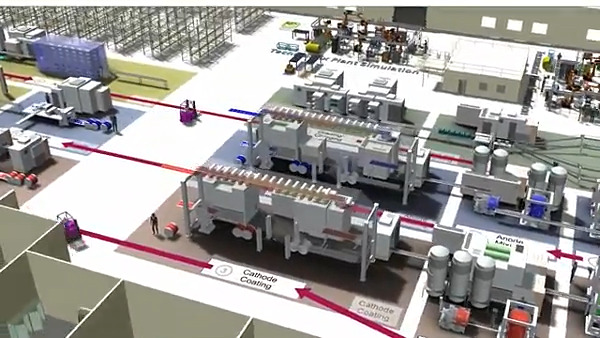
A digital twin is a virtual representation of a physical object, machine, production line or entire facility. It uses information from sensors and connected equipment to reflect what is happening in the real-world system.
In a battery factory, a digital twin can help engineers monitor equipment performance, examine production data and identify potential problems before they cause major disruptions. Manufacturers can also use virtual models to assess proposed changes before implementing them on an actual production line.
This approach can help factories improve their operations while reducing unnecessary downtime and production losses.
Siemens and LG Energy Solution Digital Twin Details
| Item | Detail |
|---|---|
| Technology provider | Siemens |
| Customer | LG Energy Solution |
| Siemens headquarters | Germany |
| LG Energy Solution headquarters | South Korea |
| Technology | Digital twins, telemetry and machine vision |
| Main objectives | Higher production yield, predictive maintenance and lower energy consumption |
How Digital Twins Can Improve Battery Manufacturing
Battery production involves several highly controlled processes, including electrode coating, cell assembly and cell stacking. Small inconsistencies during these stages can affect product quality, manufacturing efficiency and battery safety.
Digital twin technology can help manufacturers monitor production conditions and identify deviations from expected performance. By analysing information from connected machinery, engineers can investigate problems earlier and make adjustments before defects affect large batches of batteries.
Predictive maintenance is another important application. Rather than waiting for equipment to fail, manufacturers can use machine data to identify signs of wear and schedule maintenance when necessary.
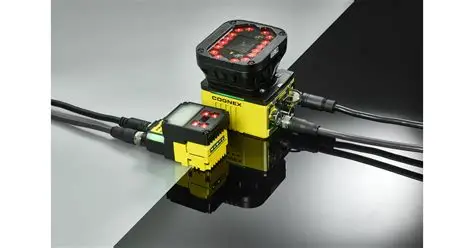
Machine vision can also support quality control by inspecting components and detecting manufacturing defects during production.
Energy management is an additional consideration. Battery factories require substantial energy, so identifying inefficient processes can help reduce operating costs.
Why the Siemens and LG Energy Solution Project Matters
Demand for lithium-ion batteries continues to be driven by electric vehicles, energy storage and other applications. Manufacturers must increase production while maintaining consistent quality and controlling costs.
Digital twins can help battery companies improve production visibility, reduce waste and make better use of existing equipment. Higher manufacturing yields mean more usable battery cells can be produced from the same amount of raw material.
For Siemens, industrial digitalisation represents an important application of its automation and engineering technologies. For LG Energy Solution, advanced factory monitoring could support efforts to improve manufacturing efficiency as competition in the battery industry intensifies.
The reported deployment demonstrates why digital manufacturing is becoming an important part of modern battery production.