Rise of the Bluetti AC300 + B300: A Comprehensive, Data-Driven Review
Nigeria’s energy landscape and much of the global developing world is undergoing a quiet but decisive transformation. Rising electricity costs, unstable grids, and the increasing affordability of renewable energy have accelerated the adoption of solar technologies.
Among the standout solutions in this space is the Bluetti AC300 + B300 modular power station, a system that exemplifies how solar energy is evolving from a supplementary option into a primary energy solution for homes and businesses.
This review examines solar technologies holistically, covering solar panels, inverters, batteries, portable power stations, and solar-powered gadgets, while situating Bluetti within a competitive and fast-growing global market.
Understanding Solar Panels: Types, Efficiency, and Performance
Solar panels remain the foundation of any solar energy system. Their efficiency, cost, and durability directly determine overall system performance.
1. Monocrystalline Panels
Monocrystalline panels are constructed from a single crystal structure of silicon, making them the most efficient option available.
- Efficiency: 18%–23%
- Lifespan: 25–30 years
- Performance: Excellent in low-light and high-temperature conditions
- Cost: Highest among panel types
- Best use case: Urban homes with limited roof space
2. Polycrystalline Panels
These panels are made from multiple silicon fragments, making them more affordable but slightly less efficient.
- Efficiency: 15%–18%
- Lifespan: 20–25 years
- Performance: Slightly reduced efficiency in heat
- Cost: More affordable
- Best use case: Large installations with ample space
They are widely used in cost-sensitive installations across Africa and Asia.
3. Thin-Film Panels
Thin-film technology uses layers of photovoltaic material deposited on substrates.
- Efficiency: 10%–13%
- Lifespan: 10–20 years
- Performance: Flexible and lightweight; performs better in high heat
- Cost: Lowest upfront cost
- Best use case: Portable systems and large-scale industrial setups
Solar Inverters: The Brain of the System
Solar inverters convert DC electricity from panels into usable AC power.
Key Types
- String Inverters: Cost-effective, widely used
- Microinverters: Installed per panel; higher efficiency
- Hybrid Inverters: Support battery storage (critical for systems like Bluetti)
Performance Factors
- Efficiency: 95%–98%
- Lifespan: 10–15 years
- Safety Certifications: UL, IEC, CE
Solar Batteries: Storage and Energy Independence
Battery storage is where solar systems become truly independent.
Battery Technologies
- Lithium-ion (NMC): High energy density, shorter lifespan
- LiFePO4 (Lithium Iron Phosphate): Safer, longer-lasting (used in Bluetti systems)
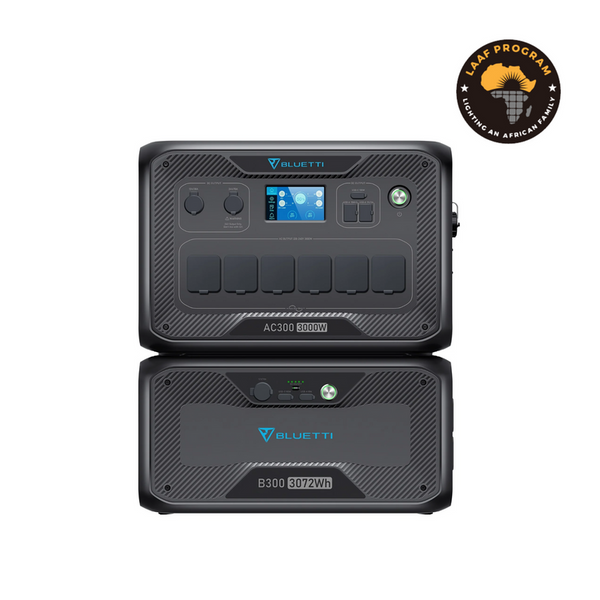
Bluetti AC300 + B300 Battery System
The Bluetti B300 uses LiFePO4 technology:
- Capacity: 3,072Wh per battery
- Cycle Life: 3,500+ cycles (≈10 years daily use)
- Expandable Capacity: Up to 24,576Wh
- Safety: Thermal stability, built-in BMS protection
- Certifications: UL, CE, RoHS
This places it in direct competition with Tesla Powerwall, which also uses lithium-based technology but is more fixed in design.
The Bluetti AC300 + B300: A Modular Powerhouse
The Bluetti AC300 system represents a shift toward modular, scalable energy storage, particularly suited for markets like Nigeria.
Technical Overview
- Power Output: 3,000W (6,000W surge)
- Capacity: 3,072Wh (expandable to 24kWh)
- Solar Input: Up to 2,400W
- Recharge Time: ~1.5 hours (solar)
- UPS Functionality: 24/7 seamless backup
- Ports: Multiple AC outlets, USB-C, USB-A, RV ports
Real-World Performance
- Can power:
- Refrigerators (15–20 hours on base unit)
- Fans, TVs, and lighting systems (multiple days with solar support)
- Small air conditioners and business equipment
Why It Matters in Nigeria
Frequent outages (commonly referred to as “NEPA issues”) make reliable backup essential. The AC300 offers:
- Silent operation (no fuel noise)
- No recurring fuel costs
- Scalable capacity for homes and businesses
Portable Solar Generators: Convenience Meets Power
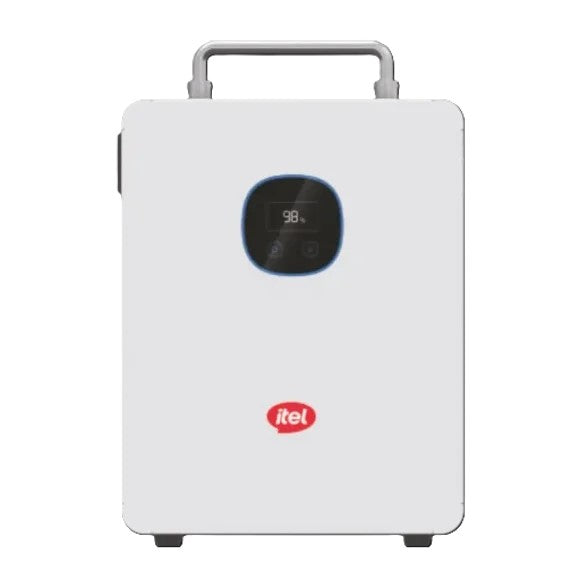
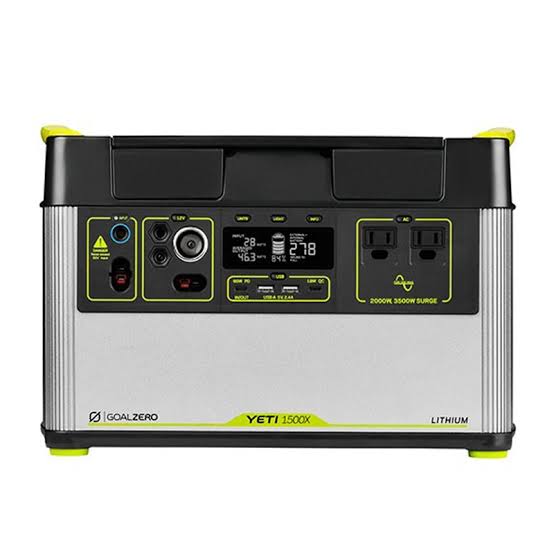
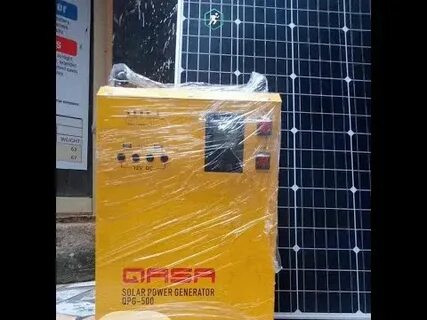
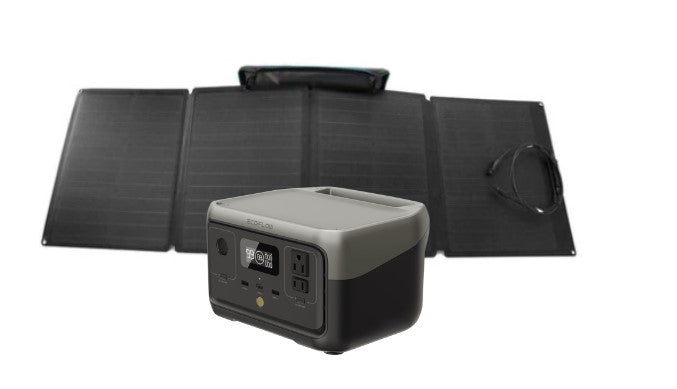
Portable systems like Bluetti AC300, Jackery Explorer series, and EcoFlow Delta are gaining popularity.
Jackery (Comparison)
- Strengths: Lightweight, highly portable
- Limitations: Lower power output, limited expandability
- Battery Type: Often NMC
- Best for: Camping, small electronics
Bluetti Advantage
- Expandable up to 24kWh
- LiFePO4 batteries (longer lifespan)
- Higher output for appliances and businesses
- More suitable for African power conditions
Solar-Powered Gadgets: The Expanding Ecosystem
Solar technology is no longer limited to large systems. Smaller devices include:
- Solar lights and street lamps
- Solar-powered fans
- Solar chargers and power banks
- Solar security systems
These gadgets improve energy access in rural areas and reduce dependence on the grid.
Cost Analysis and ROI
Initial Costs (Nigeria Context)
- Bluetti AC300 + B300: ~₦4.9 million
- Solar panels (setup): ₦200,000 – ₦500,000+
- Installation: Varies by complexity
Maintenance Costs
- Minimal compared to generators
- No fuel expenses
- Occasional panel cleaning and system checks
ROI Analysis
Compared to generators:
| Factor | Generator | Bluetti Solar System |
|---|---|---|
| Fuel Cost | ₦500–₦2,000/day | ₦0 |
| Maintenance | High | Low |
| Noise | Loud | Silent |
| Lifespan | 2–5 years | 10+ years |
Estimated ROI: 1–3 years for small businesses, depending on usage.
Real-World Use Cases
Urban Homes
- Backup during outages
- Reduced electricity bills
Rural Areas
- Off-grid power access
- Improved education and healthcare services
Small Businesses
- Barbershops, retail stores, restaurants
- Continuous operations without generator noise
Final Verdict
The solar industry is no longer a niche market, it is a central pillar of modern energy infrastructure. Systems like the Bluetti AC300 + B300 represent the next stage of this evolution: modular, scalable, and designed for real-world conditions where reliability matters most.
For regions like Nigeria, where power instability remains a daily challenge, such systems are not just convenient, they are transformative.
While the upfront cost remains significant, the long-term savings, reliability, and environmental benefits make solar technology one of the most compelling investments available today.