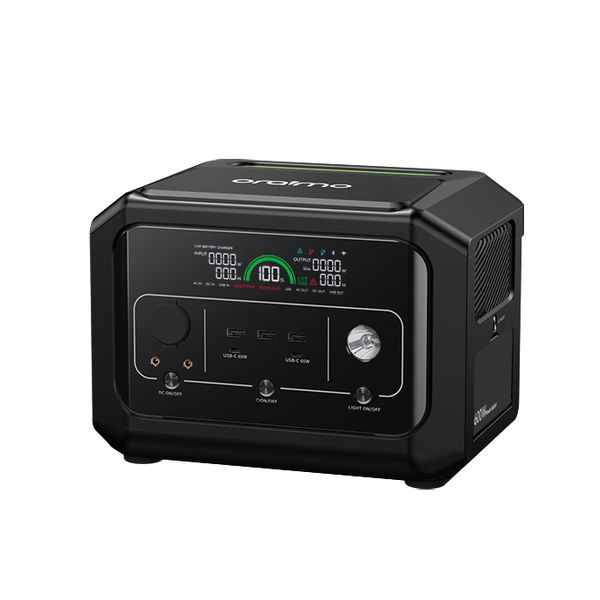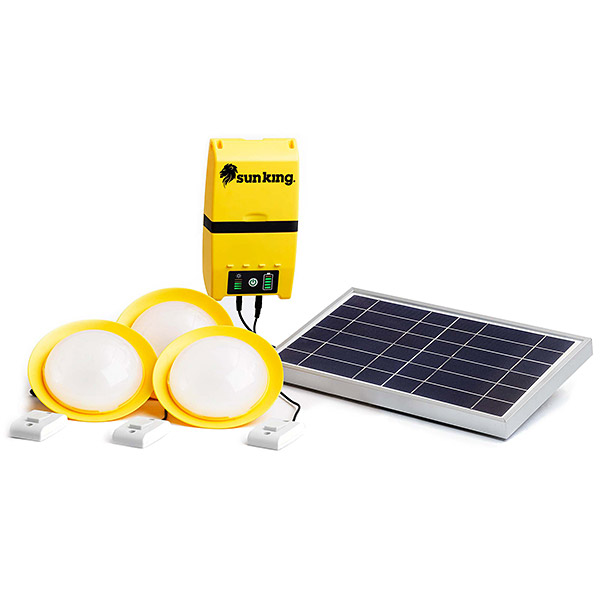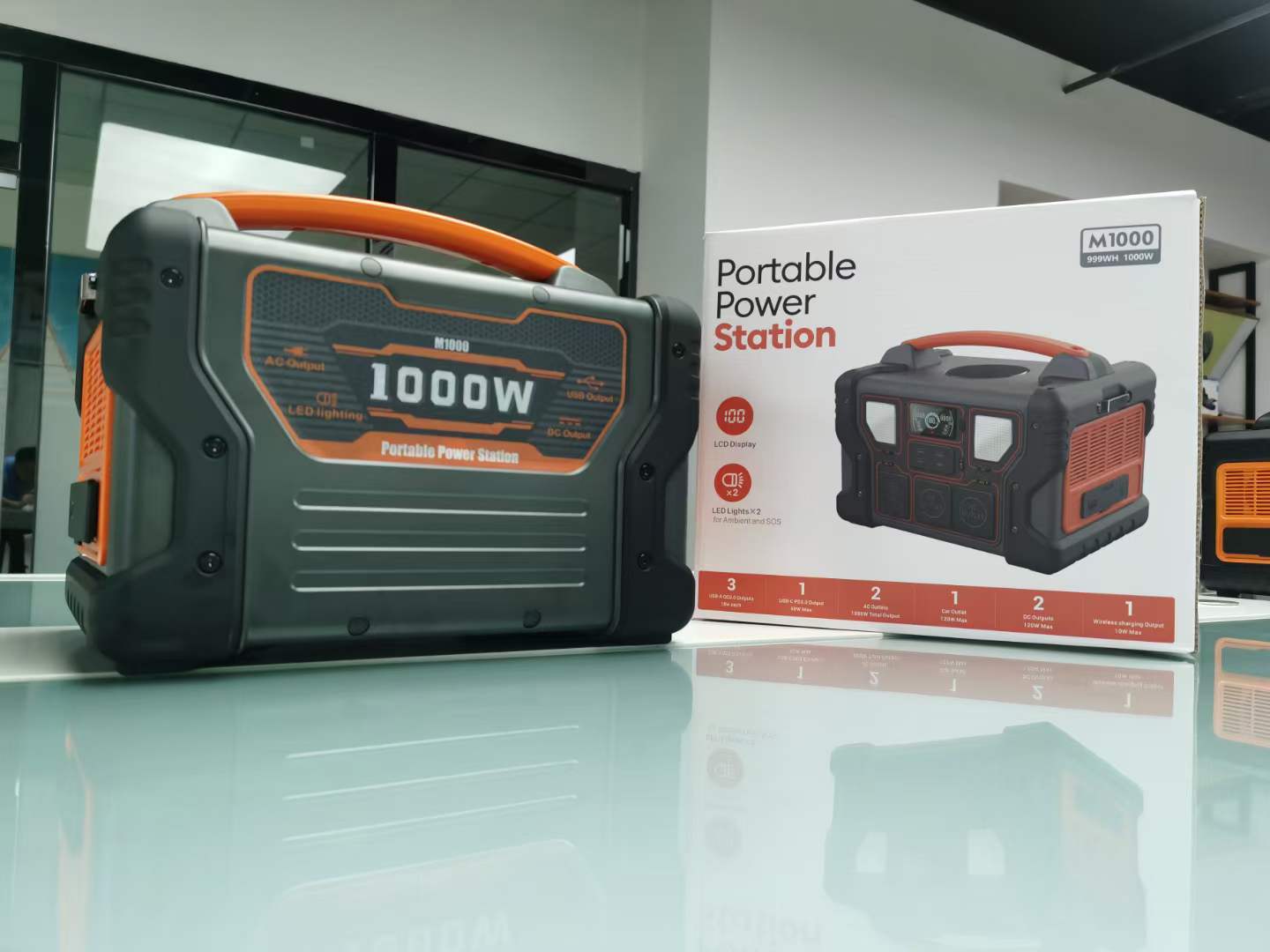
Gospower 1000W Portable Power Station Review (Nigeria)
Nigeria’s ongoing power instability has accelerated demand for portable energy solutions that go beyond traditional generators.
Solar-powered portable stations are increasingly becoming a practical alternative, especially for urban households, small businesses, and off-grid users. Among the emerging options, the Gospower 1000W Portable Power Station has gained attention for its affordability and functionality.
Overview: What Is the Gospower 1000W?
The Gospower 1000W Portable Power Station is a mid-range, battery-based energy solution designed to power essential appliances such as:
- Refrigerators
- Televisions
- Fans
- Laptops and routers
In Nigeria, it is currently priced at approximately ₦295,000, positioning it as an entry-to-mid-tier alternative to fuel generators and premium solar systems.
Technical Specifications
While Gospower does not always publish detailed engineering sheets comparable to Tier-1 brands, available specifications and field usage suggest the following:
Core Specifications
- Battery Capacity: ~1000Wh (1kWh)
- Output Power: 1000W continuous (peak ~2000W estimated)
- Battery Type: Likely Lithium-ion (some variants may use LiFePO4)
- Cycle Life: ~500–2000 cycles (depending on battery chemistry)
- Charging Methods:
- AC wall charging
- Solar panel input (MPPT support likely basic)
- Ports:
- AC outlets
- USB-A / USB-C
- DC outputs
Build and Materials
- Plastic composite casing
- Passive/active cooling system
- Integrated inverter system
Efficiency
- Estimated inverter efficiency: 85–90%
- Solar charging efficiency depends heavily on panel quality and sunlight conditions
Performance in Real-World Nigerian Conditions
In cities, the Gospower 1000W performs best as a backup solution:
- Powers a fridge for 6–10 hours (intermittent compressor use)
- Runs a TV + decoder + fan for 8–12 hours
- Handles routers and laptops for 12–20 hours
Limitations:
- Cannot sustain high-load appliances like AC units or electric cookers
- Recharge time via grid power can take 6–8 hours
2. Rural and Semi-Urban Areas
In regions with limited grid access:
- Works effectively with 100W–300W solar panels
- Suitable for lighting, phone charging, small appliances
- Can support small businesses (barbing, POS operations)
Challenge:
Solar input efficiency is modest compared to premium MPPT controllers.
Safety Observations:
- Built-in overload protection
- Short-circuit protection
- Basic battery management system (BMS)
However, compared to global competitors, verification transparency is limited, which may concern enterprise users.
Cost Analysis: Is It Worth ₦295,000?
Initial Cost
- Gospower 1000W: ~₦295,000
- Optional solar panels: ₦80,000–₦250,000
Maintenance Costs
- Minimal (no fuel, low servicing needs)
- Battery degradation over time (replacement after ~3–5 years)
Advantages
- Affordable entry into solar power
- Portable and easy to use
- Silent operation
- Suitable for essential appliances
- Low maintenance
Limitations
- Limited power capacity (not for heavy appliances)
- Unverified certifications
- Moderate battery lifespan
- Slower solar charging compared to premium brands
Real-World Use Cases
Urban Households
- Backup during outages
- Reduces generator dependency
Small Businesses
- POS systems
- Barbing salons
- Small retail shops
Rural Communities
- Lighting and communication
- Basic refrigeration
Mobile Professionals
- Photographers, field engineers, vendors
Final Verdict: Should You Buy the Gospower 1000W?
The Gospower 1000W Portable Power Station is not a premium product and it does not try to be. Instead, it delivers practical, affordable energy backup for users who cannot justify the cost of high-end systems.