Anker SOLIX C300 Review (2026): A Smart, Ultra-Portable Power Solution
In a country where power outages remain part of daily life, the demand for reliable, portable energy solutions has never been higher. From Lagos apartments to rural communities, Nigerians are increasingly turning to compact solar generators and battery systems to bridge the gap left by inconsistent grid supply.
The Anker SOLIX C300 (AC version) enters this space as a compelling option, positioned between basic power banks and full-scale home backup systems. But how well does it actually perform, especially in real Nigerian conditions?
What the Anker SOLIX C300 Really Is
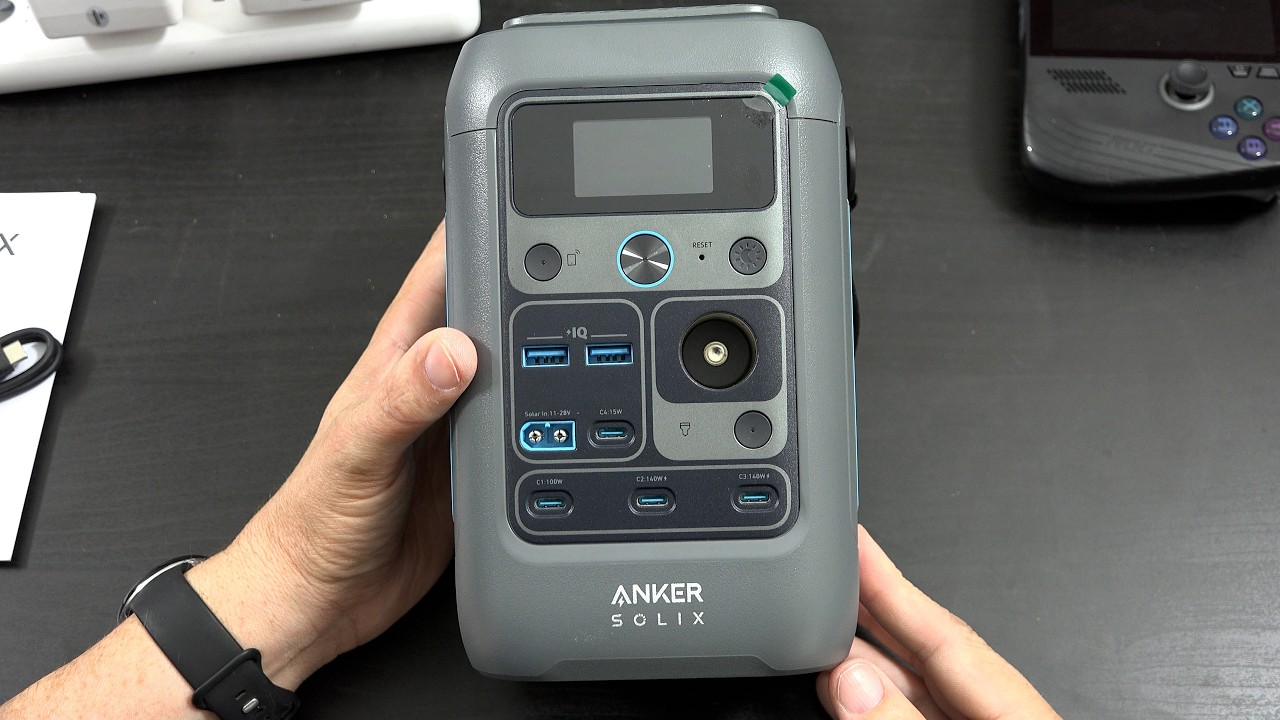
The SOLIX C300 is best understood as a “personal energy hub” rather than a full home backup system. With a 288Wh LiFePO4 battery and 300W output, it’s designed to power essentials, phones, laptops, routers, lights, small fans, rather than heavy appliances like refrigerators or air conditioners.
Its biggest strength lies in portability, safety, and versatility, especially for outage-heavy regions like Nigeria.
Technical Specifications and Engineering Breakdown
Let’s start with the hard data.
Battery and Lifespan
- Capacity: 288Wh (90,000mAh)
- Battery Type: LiFePO4 (Lithium Iron Phosphate)
- Cycle Life: 3,000+ cycles (≈ 8–10 years of normal use)
LiFePO4 chemistry is a major advantage. Unlike older lithium-ion batteries, it offers:
- Higher thermal stability (minimal fire risk)
- Longer lifespan
- Better performance in hot climates like Nigeria
Power Output and Efficiency
- Continuous Output: 300W
- Surge Output: 600W (SurgePad™)
- Conversion Efficiency: ~85–90% (typical for this class)
This means:
- Can run routers, TVs, laptops, small fans
- Cannot sustain high-load appliances (e.g., ACs, electric kettles)
Ports and Connectivity
- 3× AC outlets
- 2× USB-C (140W PD 3.1, bidirectional)
- 1× USB-C (100W/15W)
- 1× USB-A
- 1× Car socket (120W)
Charging and Input Options
- AC Wall Charging: 0–80% in ~50 minutes
- Solar Input: 100W max (MPPT, 11–28V)
- Car Charging: ~2.5 hours
- USB-C Charging: ~1.8 hours
The fast AC charging is particularly useful in Nigeria, where power availability is unpredictable.
Physical Design
- Weight: 4.1 kg (9.1 lbs)
- Dimensions: Compact (15% smaller than competitors)
- Noise Level: ~25dB (virtually silent)
Performance in Real-World Nigerian Conditions
The C300 excels in:
- Keeping routers online during outages (<10ms UPS mode)
- Charging multiple devices simultaneously
- Powering work-from-home setups
Typical runtime:
- Router + laptop: 6–12 hours
- Phones: 20–30 full charges
When paired with a 100W solar panel, the C300 becomes a viable off-grid solution:
- Can recharge fully in ~2.5–3 hours of good sunlight
- Ideal for lighting, communication, and small electronics
However, the 100W solar cap limits scalability, making it unsuitable for larger households.
High-Temperature Performance
Thanks to LiFePO4 chemistry and thermal management:
- Performs reliably in hot climates
- Less degradation compared to traditional lithium-ion systems
Certifications and Safety Standards
The Anker SOLIX C300 includes:
- Advanced Battery Management System (BMS)
- Overcharge, overcurrent, and short-circuit protection
- Temperature control system
While Anker does not heavily market certification labels like UL or IEC in consumer-facing materials, its engineering aligns with global safety benchmarks expected in Tier-1 battery products.
Cost Analysis: Nigeria vs Global Market
International Pricing
- $169 – $249
Nigeria Pricing (Imported)
- ₦420,000 – ₦500,000
The price inflation is due to:
- Import duties
- Exchange rate volatility
- Logistics and reseller margins
Installation and Maintenance Costs
- Installation: None (plug-and-play)
- Maintenance: Minimal (no fuel, no oil, no servicing)
Compared to generators:
- Zero fuel cost
- Zero noise pollution
- Zero emissions
Advantages
- Ultra-portable and lightweight
- Fast charging (industry-leading in class)
- Safe LiFePO4 battery
- Silent operation
- Excellent for outages and travel
- UPS functionality for uninterrupted internet
Limitations
- Limited to 300W output
- Not suitable for heavy appliances
- Solar panel not included
- Expensive in Nigeria due to import costs
Market Trends and Global Adoption
The rise of products like the C300 reflects a broader shift:
Key Trends:
- Growth of portable energy ecosystems
- Increasing adoption in emerging markets
- Decline in reliance on fuel generators
- Integration with solar micro-systems
In Nigeria specifically:
- Demand is driven by unreliable grid supply
- Solar adoption is accelerating in both urban and rural areas
1. Work-from-Home Professionals
Keeps:
- Router
- Laptop
- Phone
Running seamlessly during outages.
2. Students and Small Households
Affordable entry into backup power without full inverter systems.
3. Rural and Off-Grid Users
Paired with solar:
- Lighting
- Communication
- Small appliances
4. Travel, Camping, and Van Life
- Lightweight
- Quiet
- Reliable
Final Verdict: Is the Anker SOLIX C300 Worth It?
The Anker SOLIX C300 is not trying to replace generators or full solar systems, and that’s exactly why it works.
It fills a critical gap: affordable, portable, reliable power for everyday essentials.
For Nigerian users dealing with frequent outages, it offers:
- Peace of mind
- Lower long-term costs
- Clean, silent energy
If your needs are modest, phones, laptops, internet, lighting, this is one of the smartest energy investments you can make in 2026.