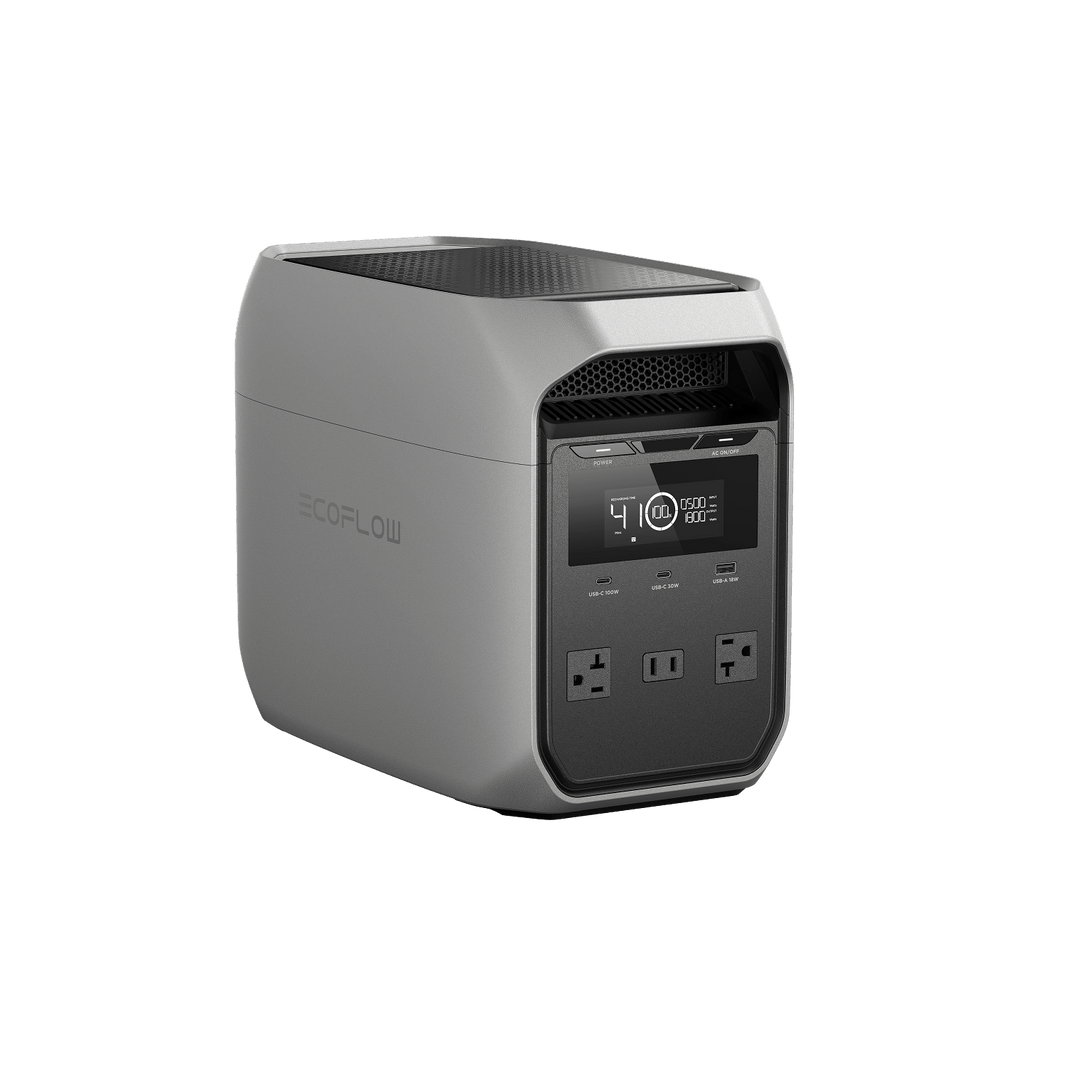
EcoFlow DELTA 3 Classic (2026): Users-Focused Review
Power reliability remains one of the most pressing challenges in Nigeria, where grid instability has driven widespread adoption of alternative energy solutions. Among the growing range of portable power stations, the EcoFlow DELTA 3 Classic (2026) stands out as a compelling budget-friendly entry point into the premium portable energy market. But does it truly deliver on its promises of fast charging, safety, and dependable performance?
Technical Overview: What Powers the EcoFlow DELTA 3 Classic?
At its core, the DELTA 3 Classic is built around a 1,024Wh LiFePO4 (LFP) battery, a chemistry increasingly favored in modern energy storage systems due to its safety and longevity.
Key Technical Specifications
- Battery Capacity: 1,024Wh (51.2V, 20Ah)
- Battery Chemistry: Automotive-grade LiFePO4 (LFP)
- Cycle Life: 4,000+ cycles to 80% capacity (approx. 10 years)
- Inverter Output:
- 1,800W continuous
- 3,600W surge
- X-Boost up to 2,600W
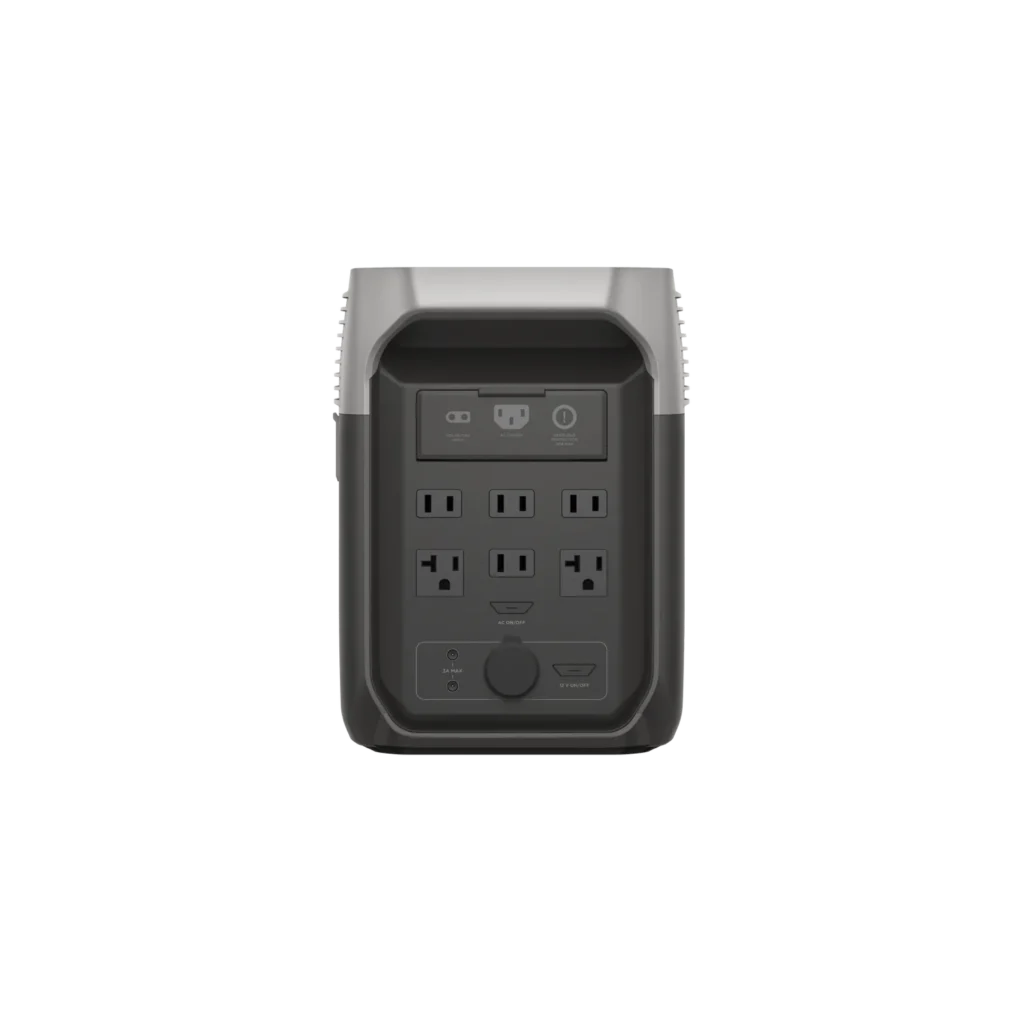
- Ports: 11 total (AC, USB-C, USB-A, DC)
- Efficiency: ~83% inverter efficiency
- Noise Level: ≤30dB (quiet operation)
- Weight: ~12.1–12.5 kg
- UPS Switch Time: 10ms
Charging Capabilities
- AC Input: Up to 1,400W → 0–80% in ~45 minutes
- Solar Input: Up to 500W MPPT → full charge in 2–2.5 hours
- Car/Generator Input: Up to 800W
Performance in Real-World Environments
In Nigerian cities, where power outages are frequent but short, the DELTA 3 Classic performs exceptionally well. It can reliably power:
- Wi-Fi routers
- Televisions
- Ceiling fans
- LED lighting
With a runtime of 8–12 hours for a standard refrigerator, it comfortably bridges power gaps during blackouts.
Rural and Semi-Off-Grid Use
In rural areas, where grid access is limited, the unit’s solar compatibility (up to 500W) becomes critical. Paired with a solar panel setup, it can serve as a daily energy source, though its non-expandable capacity limits scalability.
Outdoor and Camping Use
Its compact design, silent operation, and stable output make it highly suitable for:
- Camping
- RV use
- Outdoor events
Safety Features
- No thermal runaway risk
- EV-grade structural protection (CTC design)
- Built-in Battery Management System (BMS)
- 10ms UPS switching for sensitive devices
 Certifications (Typical for EcoFlow Line)
- CE (European Conformity)
- FCC (Electromagnetic compliance)
- UL certification standards
- UN38.3 (battery transport safety)
Cost Analysis: Nigeria vs Global Market
Pricing
- Global: ~$449 (discounted from $599)
- Nigeria: ₦750,000 – ₦835,000 (approx.)
Additional Costs
- Solar panels (400W): ₦200,000 – ₦400,000
- Installation (optional): ₦50,000 – ₦150,000
- Maintenance: Minimal (LFP requires low upkeep)
Real-World Use Cases
1. Urban Nigeria (Lagos, Abuja)
- Powers essential appliances during outages
- Acts as a silent alternative to petrol generators
2. Rural Communities
- Works as a primary energy source with solar panels
- Supports lighting, communication, and small appliances
3. Off-Grid Living
- Suitable for minimal setups
- Not ideal for full household systems due to capacity limits
Pros and Cons
Advantages
- Fastest charging in its class
- Long battery lifespan (4,000+ cycles)
- Safe LiFePO4 chemistry
- Quiet operation (≤30dB)
- Strong inverter (1,800W)
- Smart app with Storm Guard automation
Disadvantages
- Non-expandable battery
- Limited AC outlets
- No 12V car socket
- Restricted solar input (500W)
Market Trends and Global Adoption
The global energy market is shifting toward:
- Portable solar + storage systems
- LiFePO4 battery adoption
- Hybrid smart energy management systems
In Nigeria, demand is rising due to:
- Persistent power outages
- Increasing fuel costs
- Growing awareness of renewable energy
Final Verdict: Is the EcoFlow DELTA 3 Classic Worth It?
The EcoFlow DELTA 3 Classic delivers a strong balance of performance, safety, and affordability, making it one of the most attractive portable power solutions in 2026.
It is particularly well-suited for:
- Nigerian households facing frequent outages
- Light commercial users
- Outdoor and mobile applications
However, it is not designed for users requiring whole-home backup or expandable systems.
Bottom Line
If you need a reliable, fast-charging, and budget-friendly power station under ₦850,000, the EcoFlow DELTA 3 Classic is a highly competitive option in today’s energy market.