Chevron Moves Closer to Major Iraq Oilfield Deals With New Agreements
Chevron is set to strengthen its presence in Iraq’s energy sector by signing new memorandums of understanding (MOUs) with the Iraqi government covering the West Qurna 2 and Nassiriya oilfield projects.
The agreements are expected to advance negotiations on two of Iraq’s most significant oil developments while also supporting plans to improve the country’s crude export infrastructure.
Chevron Advances West Qurna 2 Oilfield Takeover
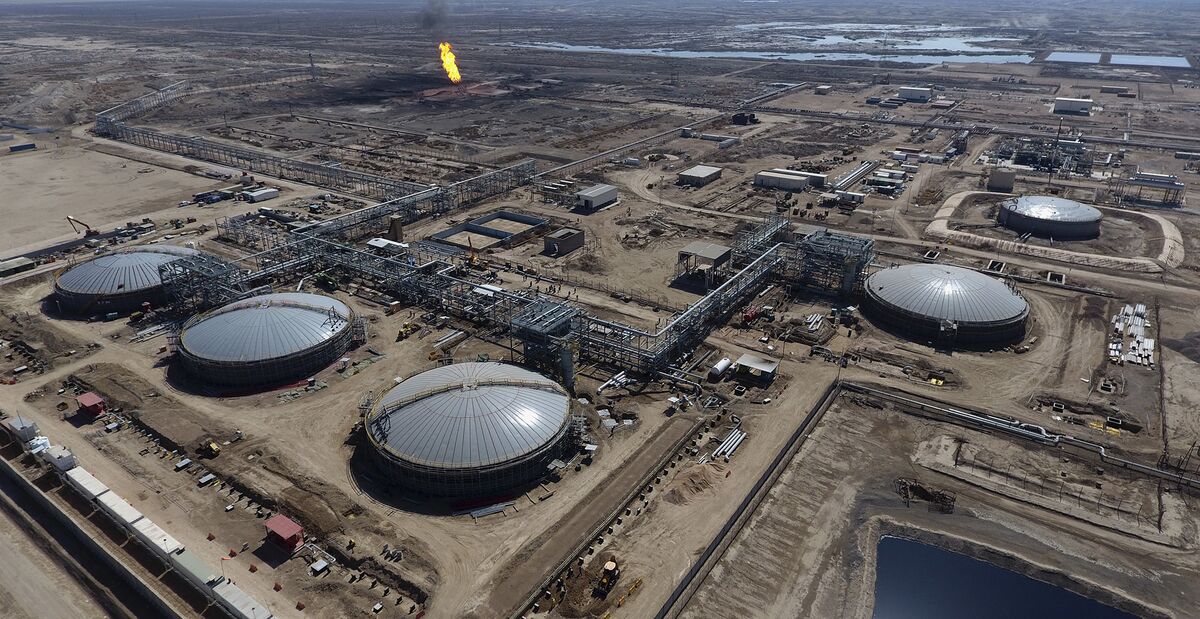
Chevron will sign a preliminary agreement with Iraq on Friday that moves negotiations forward for the West Qurna 2 oilfield, one of the country’s largest producing assets.
According to a senior Chevron executive, the memorandum will help both parties finalize commercial terms that could eventually lead to Chevron taking over operations at the giant oilfield.
West Qurna 2 currently produces around 460,000 barrels of crude oil per day, making it one of Iraq’s most valuable energy assets. Chevron entered exclusive discussions with Iraq regarding the project earlier this year as the country continues efforts to attract foreign investment into its oil industry.
If finalized, the agreement would represent one of Chevron’s most important upstream investments in the Middle East in recent years.
Iraq Eyes Higher Oil Production Through U.S. Partnerships
The latest agreements come as Iraq works to expand cooperation with major American energy companies.
Iraqi Prime Minister Ali al-Zaidi, who assumed office in May, visited Chevron’s headquarters in Houston during his five-day trip to the United States. The visit also included meetings with U.S. President Donald Trump as Iraq seeks stronger economic and energy cooperation.
Baghdad hopes partnerships with companies such as Chevron will help increase production capacity, modernize infrastructure, and attract additional foreign investment into the country’s oil sector.
Chevron Studies Alternative Oil Export Routes
Beyond expanding production, Chevron is also discussing plans to improve Iraq’s oil export network.
The company is conducting technical studies alongside Iraqi officials to evaluate possible pipeline routes that would allow crude oil to reach international markets without relying solely on the Strait of Hormuz.
Finding alternative export routes has become increasingly important as governments and energy companies seek to reduce supply risks associated with geopolitical tensions in the region.
A new pipeline network could improve export reliability while providing Iraq with greater flexibility in delivering crude to global markets.
Nassiriya Oilfield Project Also Moves Forward
Chevron is also advancing discussions on the Nassiriya oilfield project.
Last year, the company signed an agreement in principle with Iraq to develop the project, which includes four exploration blocks alongside the development of several existing producing oilfields.
The new memorandum is expected to build on that earlier agreement and move both sides closer to final development plans.
If approved, the Nassiriya project would further expand Chevron’s footprint in Iraq while supporting the country’s long-term strategy to grow oil production and attract international investment.
Why These Agreements Matter
The planned MOUs mark another step in Iraq’s efforts to strengthen its oil industry through partnerships with global energy companies.
For Chevron, the agreements could secure access to some of the world’s largest oil reserves while expanding its operations in one of the Middle East’s most important energy markets.
For Iraq, successful negotiations could help increase production, improve export infrastructure, and boost long-term energy revenues as the country works to modernize its oil sector.