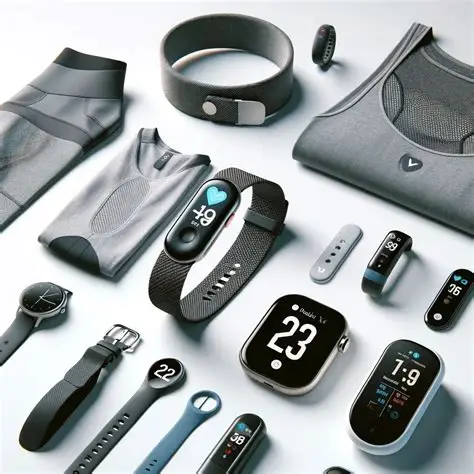
Modern smartwatches and fitness trackers can monitor far more than the basic step counts that defined the category years ago.
Heart rate, sleep, activity, exercise intensity and other health-related measurements are now common features across the market.
Continuous glucose monitoring is attracting wider interest
Continuous glucose monitoring has also attracted attention outside its traditional medical applications.
Some fitness-focused products use glucose trends to provide information that users can incorporate into diet and exercise decisions.
However, the long-term benefits of glucose tracking for people without diabetes remain a subject of debate, and users should be careful not to treat consumer wearable data as a substitute for professional medical advice.
Sleep tracking has become more sophisticated
Sleep tracking has also improved.
Modern devices can use heart-rate information, movement and other signals to estimate different stages of sleep rather than simply recording how long a person was in bed.
Understanding the difference between light, deep and REM sleep can provide more useful information than a simple total-hours figure.
However, sleep-stage readings from consumer devices are still estimates and should not be treated as medical diagnoses.
Smartphone integration matters
One of the most important considerations when buying a wearable is how well it works with the smartphone a person already uses.
Devices that integrate smoothly with platforms such as Google Fit or Apple Health can make it easier to keep health information in one place.
That matters because long-term engagement is often more important than the number of features included on the day a device is purchased.
A tracker may look impressive when it is new, but its real value comes from whether the user continues wearing it and using the information months later.