
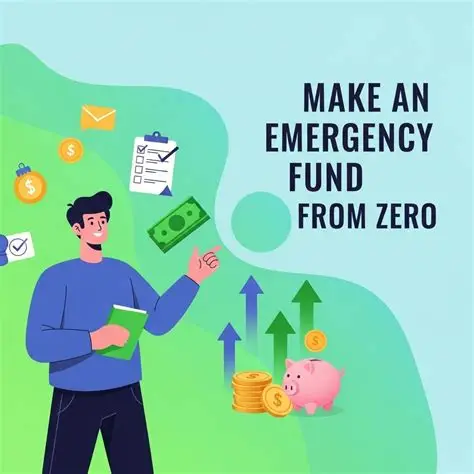
Start with a smaller target than you think. Instead of trying to build a huge emergency fund immediately, set an initial goal that feels achievable, such as enough money to cover one month of basic expenses. Once you reach that target, you can gradually increase it.
Keep Emergency Savings Separate
Keep the emergency money separate from your everyday spending account. A separate savings account can make it psychologically and practically harder to spend the money on unnecessary purchases. The aim is to make the fund available when you genuinely need it without making it so convenient that you constantly dip into it.
Automate Your Savings
Set up an automatic transfer for a small percentage of your salary on or shortly after payday. Even a relatively small amount can build up over time if you contribute consistently. If your income changes from month to month, you can use a fixed minimum amount and add more whenever you have a stronger month.
Track your progress monthly rather than checking the balance every day. Daily changes can feel insignificant, while a monthly comparison makes it easier to see whether your savings habit is actually working.
Know When to Use Your Emergency Fund
Your emergency fund should generally be reserved for unexpected and necessary expenses, such as urgent repairs, sudden loss of income, essential medical costs or other financial emergencies.
Once you reach your first target, set another one. A commonly cited long-term target is three to six months of essential living expenses, although the appropriate amount depends on your income stability, responsibilities, debts and personal circumstances.
The important thing is to start with an amount you can realistically maintain rather than setting an ambitious target that becomes impossible after a few weeks.