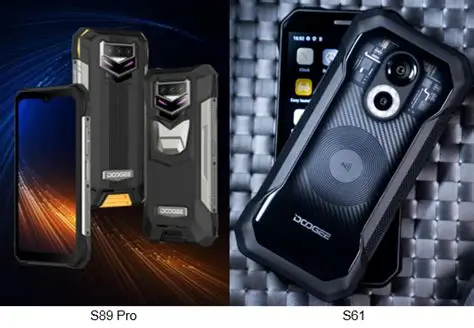
A new smartphone featuring a massive 10,000mAh battery is drawing attention to Nigeria’s phone market, which is valued at $3.64 billion according to the information supplied. Launched in early October 2026, the device is being presented as a powerful option for students, content creators and people who need a phone that can last through demanding daily activities.
The smartphone is described as being made with Nigerian materials and assembled locally. Its arrival also highlights a wider conversation about local manufacturing, technology jobs and the growing push to give Nigerian consumers more alternatives to imported devices.
What Makes the New 10,000mAh Smartphone Stand Out?
The device’s biggest selling point is its 10,000mAh battery, designed to deliver extended usage between charges.
Battery life matters to people who depend on their phones for schoolwork, business, content creation, communication and entertainment. For users dealing with limited access to electricity or who spend long periods away from charging points, a phone with a large battery could be particularly appealing.
The device also features a 120Hz display, 8GB of RAM and AI-powered battery-saving technology. The higher refresh-rate display is designed to make supported on-screen movements appear smoother, while 8GB of RAM can help the phone manage multiple applications.
According to the supplied information, the manufacturer says the phone can last up to 48 hours under intensive use. Actual battery life can vary depending on screen brightness, network strength, applications, gaming, video recording and other usage habits, so the claimed performance should be checked against independent testing.
Why Battery Life Matters to Nigerian Smartphone Users
A smartphone has become an important tool for many everyday activities, from online learning and digital payments to running a small business and creating social media content.
When a battery runs down quickly, users may need to charge more frequently or carry additional power accessories. A high-capacity battery could reduce some of these inconveniences, although the final experience depends on the phone’s overall efficiency.
Students may value the ability to read, watch educational videos and complete online tasks for longer periods. Content creators may appreciate having more power available for filming and editing, while business owners may want a device that can support communication and transactions throughout the day.
However, battery capacity is only one factor to consider. Buyers should also look at charging speed, durability, software support, camera quality, storage, repair options and the availability of replacement parts.
Local Manufacturing and Nigeria’s Smartphone Industry
The supplied information says the smartphone uses Nigerian-made materials and is assembled within the country. If confirmed, this would place the product within the broader effort to strengthen local manufacturing and reduce dependence on imported finished devices.
Market analysts cited in the supplied material project that the device could contribute to a 15% increase in local phone production during 2026. The report also anticipates new employment opportunities in the Nigerian phone manufacturing sector.
Those projections require clear supporting evidence, including information about current production levels, manufacturing capacity and the number of jobs expected to be created.
Local production can involve more than assembling the final device. It may also create opportunities for suppliers, repair technicians, packaging companies, accessory makers and other businesses connected to the smartphone market.
Could the Phone Support Other Local Technology Businesses?
The reported popularity of the device has encouraged related businesses, including local phone accessory makers, to increase production. The supplied information also points to potential growth in local battery-cell and processor production.
These are important areas to examine because a stronger domestic technology industry depends on a network of suppliers and technical specialists, not just one product.
At the same time, producing advanced components locally requires investment, specialised equipment, reliable supply chains and technical expertise. Any claims about locally manufactured battery cells or processors should specify which components are produced in Nigeria and which are sourced elsewhere.
A Competitive Alternative to Imported Smartphones?
The new device is being marketed as a competitive alternative to foreign smartphones that dominate the Nigerian market.
For consumers, the most important questions will be whether the price is affordable, the specifications match the claims, the phone performs reliably and after-sales support is available.
Buyers should compare the phone with other devices in the same price range and look beyond the battery capacity alone. Warranty coverage, software updates, network compatibility and repair costs can make a major difference over the life of a smartphone.
The reported launch of a 10,000mAh smartphone assembled in Nigeria brings together three important issues: battery life, local manufacturing and consumer choice.
If the manufacturer’s specifications and production claims are confirmed, the device could attract Nigerians who want long battery life while supporting the development of the local technology sector.
For now, buyers should compare the full specifications, check independent battery tests and confirm the availability of warranty and repair services before making a purchase.