
The Aviation Africa Summit and Exhibition returned to Nairobi in September 2026, with what organisers described as its largest delegate turnout yet, as airlines, operators, aviation authorities and government leaders from across Africa and beyond registered in record numbers before the event reached its delegate capacity.
Technology formed a central part of the two-day agenda, with discussions focusing on whether African airports can better leverage artificial intelligence, automation and operational data to expand capacity without relying solely on new physical infrastructure.
The discussions come as African aviation continues to recover and passenger demand places additional pressure on airports that already face operational and infrastructure constraints.
AI and Data Could Help African Airports Handle Growing Demand
Discussions focused on using better operational data to help airports identify bottlenecks earlier and improve the movement of aircraft, passengers and cargo through existing facilities.
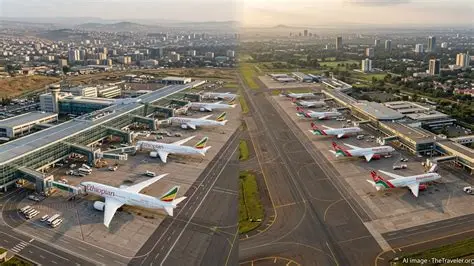
Areas such as apron efficiency and aircraft turnaround times were highlighted because both can directly affect airport capacity even when an airport has adequate physical infrastructure.
AI and automation could help airports analyse large quantities of operational information, identify potential delays and improve coordination between airlines, ground handlers and airport operators.
The summit also addressed ground-handling labour shortages, a persistent constraint across African aviation as passenger volumes recover.
With African airline capacity climbing 9.4 percent year-on-year in September 2026 to 25.8 million total seats, according to OAG scheduling data, the pressure on African airports to modernise operations through technology rather than relying entirely on new construction is becoming increasingly urgent.
The Nairobi summit therefore placed AI and automation within a wider conversation about how African aviation infrastructure can cope with future growth.
For airports across the continent, technology could become an increasingly important tool for improving existing facilities, reducing operational bottlenecks and supporting airlines as passenger and cargo demand continues to develop.