
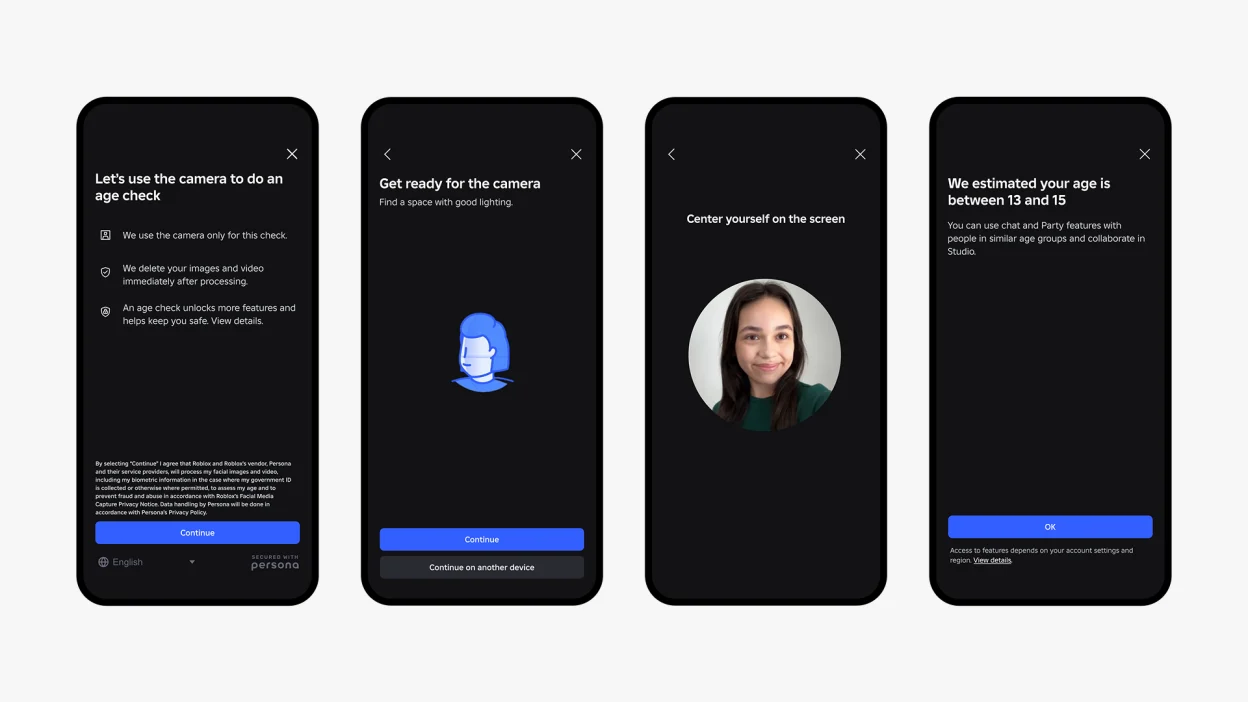
Apple has introduced and expanded a series of tools designed to help verify users’ age ranges across its platforms.
The move comes as governments and regulators around the world introduce stricter rules around children’s online safety and age-gated digital experiences.
Apple’s approach is designed to give developers information about a user’s age category without necessarily requiring users to repeatedly submit government identification documents to individual applications.
Apple’s age assurance frameworks allow developers to work with age ranges and age categories, while the exact requirements can vary depending on local laws.
Why Age Verification Is Becoming More Important
The debate around online age verification has become increasingly important because technology companies are being asked to prove that children are not accessing inappropriate content or services.
The problem is that traditional age verification can create privacy concerns.
Requiring users to upload identity documents to every application would create additional databases containing highly sensitive personal information.
Apple’s approach attempts to reduce that problem by allowing apps to receive relevant age information without necessarily requiring each app to independently collect the user’s identity documents.
Developers Have More Responsibility
Apple has also made it clear that developers remain responsible for implementing their own age restrictions.
The company’s tools can provide information about age ranges and regulatory eligibility, but developers still have to ensure that their applications comply with applicable laws.
This could become increasingly important as different countries introduce different requirements for children and teenagers.
Apple Is Also Changing Its AI Strategy
The age-verification changes arrive alongside major developments in Apple’s artificial intelligence strategy.
Apple’s new Siri AI is powered by its next-generation Apple Intelligence architecture, which Apple says was developed in collaboration with Google and its Gemini models.
The new Siri is designed to understand personal context, interact with information on the screen and perform more system-wide actions.
That represents a significant change from the traditional Siri experience.
Apple Tightens Mac Permissions Because of AI Agents
Apple has also moved to tighten certain macOS permissions because of the growing risks associated with AI agents.
Advanced AI agents can potentially operate with access to emails, messages, files and other sensitive information.
Apple has acknowledged that full disk access becomes more complicated when applications are capable of acting autonomously on behalf of users.
This is likely to become a much larger issue as AI agents become more capable.
The more an AI assistant can do on behalf of a user, the more permissions it needs.
But giving an AI system extensive access also means that a compromised or poorly designed application could potentially expose much more information.
The Future of AI Will Depend on Trust
Apple’s latest changes highlight a problem that the entire technology industry will have to address.
AI assistants are becoming more useful because they can access more information and perform more actions.
At the same time, that access creates new privacy and security risks.
The challenge for companies such as Apple will be finding the right balance between convenience, privacy and security.