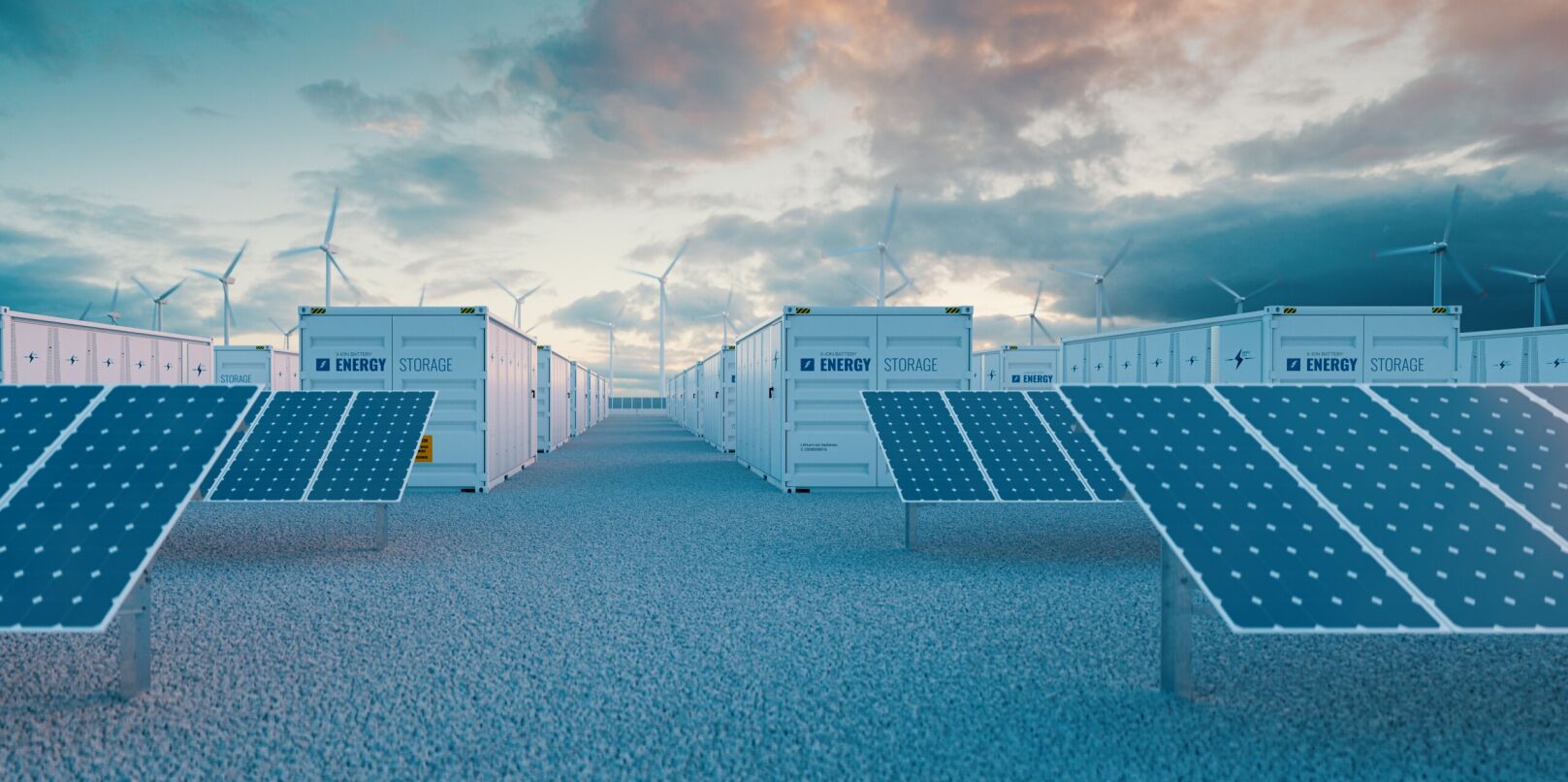
Information tracked down by our reporters indicates fresh project details around hybrid solar-plus-storage systems designed to support AI data centre demand, including examples pairing short-duration lithium with longer-duration technologies.
The shift is straightforward: operators are combining generation and multiple storage layers to deliver more reliable power instead of relying on the grid alone.
A typical recent configuration includes an eighty-six megawatt solar array paired with seventy megawatt lithium-ion storage and an additional ten megawatt long-duration zinc-based system.
Review the publicly shared project summaries to note how the energy capacity and power ratings interact across the day-night cycle.
For smaller-scale or pilot planning, start by listing the expected continuous load of the facility, then calculate the minimum solar capacity needed to cover daytime peaks.
Select storage sizes that can bridge the evening hours and any cloudy periods, using the published ratios as a reference point.
The important part is how the different storage layers work together. Model the dispatch sequence so the short-duration batteries handle rapid fluctuations while the longer-duration units cover extended shortfalls.
Speak with local solar installers who have experience with hybrid controllers and request a site-specific yield estimate based on the local irradiation data.
Confirm the interconnection requirements with the relevant grid or private network operator early in the process.
Keep records of the component warranties and expected cycle life so replacement planning stays realistic.
These sizing and layering steps translate the patterns emerging from large AI power projects into practical guidance for anyone evaluating dedicated clean power alongside growing compute loads. As demand for AI infrastructure continues to put pressure on reliable electricity supply, hybrid solar and storage systems are becoming an increasingly important part of the conversation.